
 E-Paper



Sync or swim: Make your digital calender go with your flow

 Prefer HTon Google



Does your digital calendar spark joy? If not, do away with the Tetris wall of tasks and to-dos, and make space for the real you
It started with friends’ birthdays and “very important” meetings. And now look at us — scheduling everything in our online calendars. Morning moka-pot rituals labelled orange, journaling sessions in pink, Hinge dates in blue, and Sunday brunches in yellow. We even block time to “do the laundry” and “water the plants”. Calendar creep has invaded both work and personal life. At this point, are you even a couple if your online schedules aren’t synced, colour-coded, and basically flirting with each other on their own?
For many of us, calendaring feels like control. A small win against burnout. We hope that planning will lighten the mental load, make the insurmountable a little manageable. But hyper-mapping every hour on Google Calendar, Notion, Calendly (or whatever your flavour of productivity Kool-Aid is) often backfires. Overstuffed schedules mean decision fatigue, no spontaneity, and the shame of little unchecked boxes silently judging you.
So, how do you match your calendar to your energy, instead of the other way around?
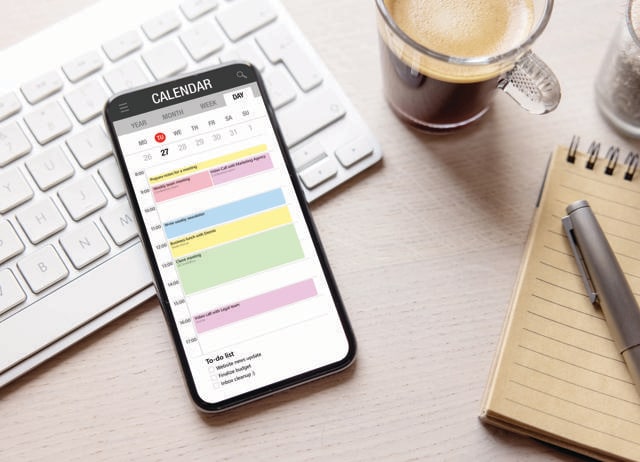
Plan for the real you, not your Pinterest alter ego. There are only so many hours in a day — and yet here you are, attempting to squeeze in gym, ice baths, coffee dates, eight-step skincare, reading goals and work into one impossibly aesthetic one-day block. No wonder you’re overwhelmed. “Never pack up your calendar,” says Rupa Obulreddigari, clarity and productivity coach. “Leave two to three hours of breathing room every day.”
“Observe your own rhythms for a week to figure out when your energy peaks, and protect that window for your most important work,” she says. “Three to four hours of deep work is the maximum one can do a day. The rest is for lighter tasks — admin, calls, emails, meetings and other tasks.”
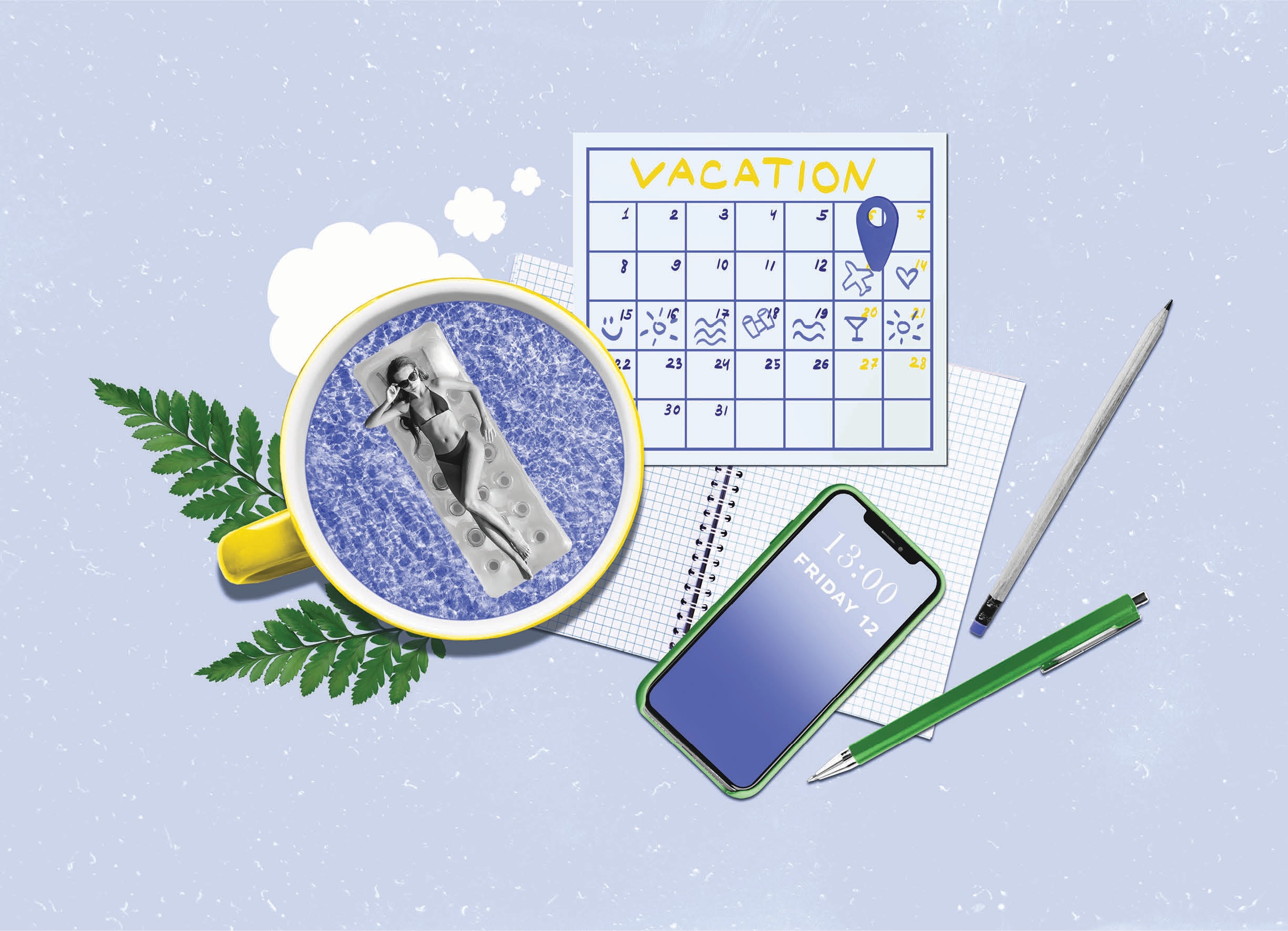
Slot in a buffer day.Accept that you won’t get every task done. Life happens. Ubers get cancelled, brains get fried, moods tank. Don’t spiral because you couldn’t finish a task (again). “If I planned two hours for an activity but didn’t get to it, I move it to the next free slot tomorrow,” says Divya Ramesh, founder of brand consultancy Rough Paper Creative. A buffer day mops up all the spills.
Block the apps. Being disciplined isn’t about heroic willpower; sometimes it’s literally about locking yourself out of your favourite distractions (goodbye, Instagram rabbit holes). Apps such as Forest guilt-trip you into staying focused by making you grow a tiny digital tree — which instantly dies once you open social media. Opal turns your phone into a polite brick wall. Focus Friend gives you a buddy, a squishy little bean, who concentrates alongside you, and gets dramatically sad if you interrupt the timer. Ramesh uses Stay Focused. “It only lets me browse social media for five minutes an hour, after which a message I wrote for myself pops up: ‘Don’t waste time, fool’.”
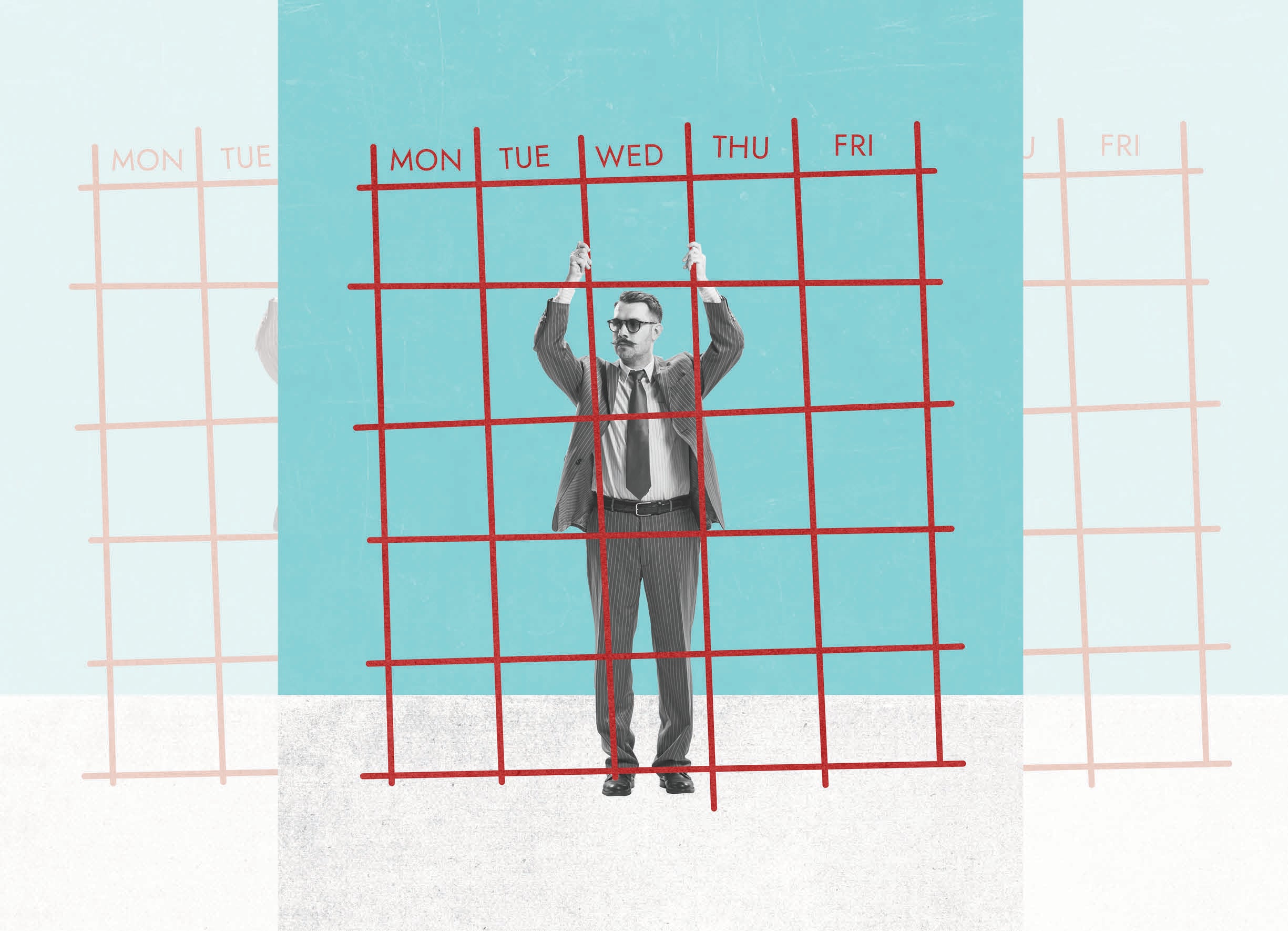
Pre-schedule recovery after heavy days. If you have back-to-back meetings on Wednesday, schedule recovery on Thursday morning. Big presentation on Friday? Saturday is “Don’t talk to me” mode. Anticipate the crash before it arrives. End the day by dropping one tiny task/plan into tomorrow’s calendar that your future self will thank you for.
Slot activities that you love too. “It’s just as important to make time for things that make life worth living,” says Obulreddigari. Perhaps a coffee, a walk in the park, a good book is what you need to reset your brain. Schedule little acts of kindness: A midweek nap window, matcha breaks, a Friday “log-off early” reminder. Or slot an exciting show or a movie that’s releasing in the coming months as a nice surprise for future you.
And remember, a calendar is essential for coordinating with others, not with yourself, says Obulreddigari. Never let the tool bully you. “If you don’t feel up to it, go with a simple checklist and follow your flow instead of forcing the calendar.”


