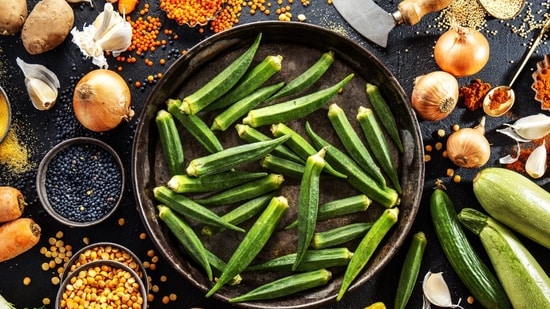
Okra, or bhindi, finds its way into many Indian dishes. But preparing and cooking it can be tricky, especially when it comes to getting the right texture. It may turn sticky and slimy instead of becoming crisp. So, what mistakes could be keeping you from making the perfect bhindi sabzi?ALSO READ: Dosa sticking to pan? Chef shares what you are doing wrong, reveals how to perfect your batter
Ravish Mishra, executive chef at The Leela Palace Chennai, shared why okra turns slimy and explained the correct way to prepare and cook it for a firmer, crisper texture. The chef acknowledged that okra requires more attention during preparation than most vegetables because moisture directly influences its texture.
How to prep and cut bhindi?
The preparation process is what helps to determine the final texture of the bhindi. So, you need to be mindful, even before cooking. The order in which you wash, dry, and cut this vegetable will tell you how sticky it will become.
Chef Ravish recommended, “Wash the pods whole under running water rather than cutting them first. Once washed, drain them thoroughly and spread them on a clean kitchen towel. Pat them completely dry and, ideally, allow them to air-dry for a few minutes before cutting.”So, ensure that when you are washing bhindi, the pods are still whole. When you wash it after slicing, the inner surface gets exposed to water, increasing the chances of stickiness.
The chef added, "Only then should you trim and slice the okra. Cutting it while wet introduces additional moisture to the exposed surface and encourages the release of mucilage, which can make the finished dish excessively sticky.”
{{/usCountry}}The chef added, "Only then should you trim and slice the okra. Cutting it while wet introduces additional moisture to the exposed surface and encourages the release of mucilage, which can make the finished dish excessively sticky.”
{{/usCountry}}Before you add the okra to the pan, be careful during the cleaning process. First, wash the whole pads, drain them, dry them, and only then trim and slice.
What is the correct cooking technique?
What should be the goal when cooking bhindi? Chef Ravish identified two factors: controlling moisture and using sufficient heat.
He also described which utensil to use and how to cook: “Start with a wide, well-heated pan so the okra has enough surface contact and does not overcrowd. Cook it uncovered, preferably in batches if preparing a larger quantity, and avoid stirring continuously. Allowing the okra to sear undisturbed for short intervals develops colour and gives it a firmer, more appealing texture.”
For a crispier texture, he suggested treating bhindi as something you are roasting or searing rather than steaming. The main goal is to allow moisture to escape quickly while it cooks.
Which ingredients can help with the texture and flavour of bhindi?
The chef then advised adding a small amount to help manage the mucilage responsible for bhindi's slimy texture. Depending on your recipe, you can use:
- Amchur: Finish the dish with amchur to complement the natural flavour of bhindi and add a pleasant brightness.
- Lemon juice: A little lemon juice can provide acidity while giving the dish a fresh, tangy flavour.
- Tamarind: Add a small quantity of tamarind to reduce the sliminess and add a deeper sour touch.
What are the common cooking mistakes?
You have prepared the bhindi as recommended, but it still comes out soft and sticky. The error may be in how you cook it. The chef identified these errors that prevent bhindi from getting a firm texture and crispier edges:
1. Cooking wet okra
- Any water can release mucilage, making the dish slimier.
- Wash the bhindi whole, dry it, and then cut and cook it.
2. Overcrowding or covering the pan
- Overcrowding or covering the pan lowers the temperature and causes the vegetables to steam in their own moisture.
3. Excessive stirring
- Once cut, okra begins cooking; repeatedly moving or pressing it can rupture the pieces and release more mucilage.
- Give it space and allow the heat to do the work.
Don't overcook
- Good bhindi should retain its shape, have a pleasant bite, and, depending on the preparation, develop lightly caramelised or crisp edges.
- The aim is not simply to eliminate its characteristic texture, but to manage it intelligently while preserving the vegetable’s flavour and freshness
The chef summarised by reiterating the three things which make all the difference: keep it dry, give it space, and cook it with confident heat