
 E-Paper



Dal makhni vs geopolitics: How Delhi restaurants are trying to adapt as LPG shortage looms amid Iran-US-Israel war

 Prefer HTon Google


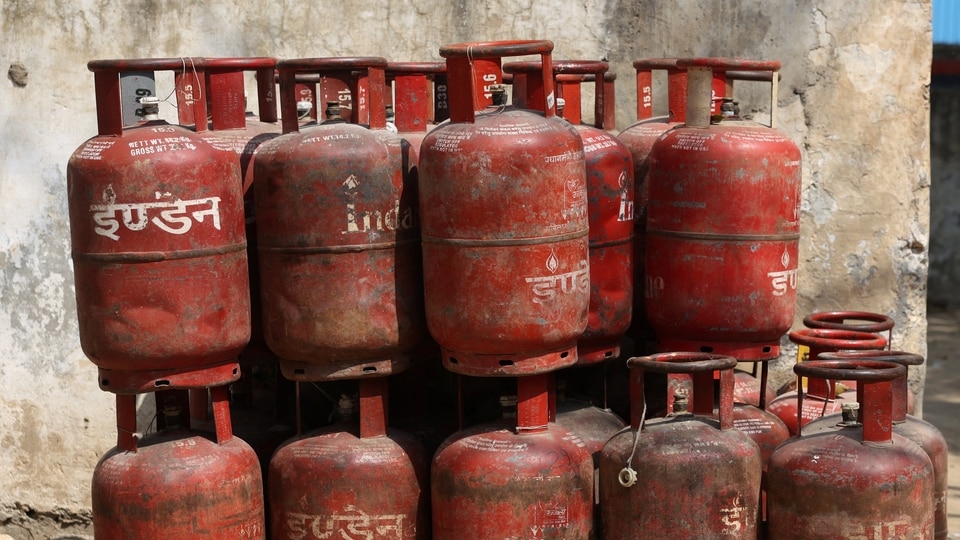
Will the simple joy of a slow-cooked dal become a casualty of the Iran-US-Israel war? Here's how the conflict is hitting Delhi restaurants amid LPG shortage.
As the conflict between the United States, Israel, and Iran escalates, the tremors are being felt far beyond the Middle East. In the bustling food hubs of Delhi, the geopolitical crisis has manifested as a silent threat to the city's vibrant culinary scene: a critical shortage of commercial Liquefied Petroleum Gas (LPG). Also read | 'LPG supply stopped': Bengaluru, Chennai hotels may be closed; Gurugram restaurants worried
The supply crunch: 'a sense of panic'
Significant disruptions to the Strait of Hormuz — a vital artery for India’s energy imports — have created a crisis for India's hospitality sector. In Delhi, the heart of India's food culture, the impact is uneven but mounting. While some high-street outlets utilise Piped Natural Gas (PNG), the vast majority of the city’s eateries depend on 19-kg commercial LPG cylinders.
Amit Bagga, co-founder of Daryaganj Restaurants and Delhi co-chapter head of the National Restaurant Association of India (NRAI), warns that the industry operates on a razor's edge. He told HT Lifestyle, "Most restaurants do not maintain more than one to two days of LPG inventory. If the situation is not addressed promptly, it could lead to restaurant closures, with wider implications for restaurant staff's livelihoods. Following recent national news coverage, there is also a sense of panic, which could potentially lead to hoarding of cylinders."
He further noted that while PNG offers some insulation, the lack of ground-level monitoring for commercial supply is a growing concern: "The current challenge is the availability of LPG cylinders, which in many cases are either in short supply or being sold at a premium in the market."
Menu adaptations and 'electric pivots'
For famous Delhi establishments, the crisis is forcing a rethink of the very techniques that define their food. Arjun Sagar Gupta, founder of The Piano Man, highlighted the technical difficulty of moving away from gas.
"Some cooking techniques and menu items are specifically designed for gas-based cooking. If the situation persists, operators may need to rationalise parts of the menu or adjust cooking processes to maintain consistency and service standards. We are closely monitoring the situation... we have not experienced a major operational impact in Delhi [yet], but it is certainly a development that restaurants are watching very carefully."
At RollsKing, which operates over 130 service points, the strategy has shifted toward 'electric transition'. Arjun Toor, co-founder, explained that the brand is already deploying electric plates to protect its signature items.
He told HT Lifestyle, "As a 'kathi roll forward' brand, the tawa is central to our identity. To protect this, we have already begun deploying electric plates specifically for cooking our crispy paranthas. This 'electric transition' is an interim measure that is now being baked into our long-term internal strategy to ensure that geopolitical impacts never dictate our menu availability."
He highlighted that they refuse to turn to the black market: “Our model is built on transparency... we do not source from informal markets or divert domestic cylinders.”
A tale of two kitchens: PNG vs cylinders
While smaller outlets scramble, those connected to the Indraprastha Gas Limited (IGL) pipeline feel a temporary reprieve. Yogesh Sharma, MD of Karigari Ventures, told HT Lifestyle that their Delhi outlets remain largely insulated.
"Most of our kitchens are connected to IGL pipeline systems... this has helped us remain relatively insulated from the immediate impact of the commercial LPG shortages. For the few outlets that still rely on LPG cylinders, we are closely monitoring the situation. At this stage, there has been no impact on our menu or service."
However, the crisis has already reached the halls of power. On March 11, the Delhi High Court Lawyers' canteen issued a stark notice to its patrons, that was shared by Live Law India on X: “We do not have any information regarding when the LPG supply will be restored. We will resume the preparation of the main course as soon as the gas supply is restored.”
What it means for the diner
As the war in the Middle East continues to choke global supply lines, Delhi's diners may soon see 'crisis menus' focused on faster-cooking items and salads. The NRAI has already advised members to:
⦿ Reduce operating hours to conserve fuel.
⦿ Suspend items that require long simmering or deep frying.
⦿ Coordinate resource sharing (like centralised gravies) between neighbouring outlets.
Meanwhile, RK Gupta, the National Vice President of the LPG Association, has said that there is no shortage in the supply of domestic LPG."According to the oil companies, there is no shortage in supply. Commercial LPG cylinders have not been issued since yesterday, but an exemption has been given to hospitals and educational institutions. There is no shortage in the supply of domestic LPG," Gupta told ANI.
The Central government has invoked the Essential Commodities Act, 1955, to regulate the supply, availability and distribution of petroleum, petroleum products and natural gas, including LNG and re-gasified LNG, ensuring critical sectors receive priority supply.
If the diplomatic deadlock in West Asia persists, the simple joy of a tandoori roti or a slow-cooked dal in the capital may soon become a casualty of a war thousands of miles away.
Note to readers: This article is for informational purposes only and not a substitute for professional advice.


