Heart disease is increasingly affecting Indians at younger ages, with research suggesting that cardiovascular disease develops 10 to 15 years earlier in Indians compared with Western populations. Despite growing awareness about heart health, several misconceptions about low-density lipoprotein cholesterol (LDL-C), commonly called “bad cholesterol”, continue to persist.
In an interview with HT Lifestyle, Dr Arindam Pande, Director of Cathlab Services and Senior Consultant, Department of Cardiology, Manipal Hospital, E M Bypass, Kolkata, explained why high cholesterol can often go unnoticed because it does not necessarily cause obvious symptoms. (Also read: Want to look younger as you age? 8 anti-ageing lessons from a plastic surgeon on fillers, skincare and facial rejuvenation )
“Many people with high cholesterol feel perfectly fine, leading them to underestimate the potential risks. High LDL cholesterol does not manifest through obvious pain or discomfort. Reaching LDL-C targets is important, but the destination is different for everyone based on individual risk factors. Knowing your target levels, seeking timely medical guidance, and adhering consistently to prescribed therapy are key to long-term heart protection,” Dr Pande said.
The Cardiology Society of India (CSI) recommends routine lipid profile check-ups starting from age 18. Here are five common myths about LDL cholesterol and what people should know.
Myth 1: “I’m young, fit and active, so my cholesterol can’t be high"
{{/usCountry}}The Cardiology Society of India (CSI) recommends routine lipid profile check-ups starting from age 18. Here are five common myths about LDL cholesterol and what people should know.
Myth 1: “I’m young, fit and active, so my cholesterol can’t be high"
{{/usCountry}}Fact: Being young or physically active does not make someone immune to high LDL-C. Elevated cholesterol can have genetic or metabolic causes that cannot always be addressed through diet and exercise alone.
Even young adults who eat a balanced diet and exercise regularly can have elevated LDL levels. Over time, persistently high LDL-C can contribute to plaque formation in the arteries without producing noticeable symptoms.
Myth 2: “If my cholesterol is within the standard lab range, I’m completely safe”
Fact: A laboratory reference range is not necessarily the same as an individual’s ideal LDL-C target. Cardiovascular risk varies between individuals, and doctors consider factors such as a person’s overall health and existing risk factors when determining an appropriate LDL-C goal.
“Reaching LDL-C targets is important, but the destination is different for everyone based on individual risk factors,” Dr Pande said. This means a cholesterol result that falls within a general laboratory range may still require medical attention depending on a person’s cardiovascular risk profile.
Myth 3: “High cholesterol causes noticeable symptoms like chest pain or fatigue”
Fact: High LDL-C generally does not cause specific physical symptoms.
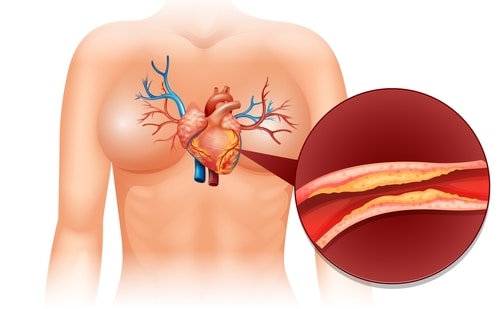
LDL cholesterol can contribute to plaque build-up inside the arteries over time without causing pain or discomfort. By the time symptoms such as chest pain occur, significant cardiovascular disease may already have developed.
“Many people with high cholesterol feel perfectly fine, leading them to underestimate the potential risks. High LDL cholesterol does not manifest through obvious pain or discomfort,” Dr Pande said.
Therefore, feeling healthy does not necessarily mean that LDL-C levels are within an appropriate target.
Myth 4: “Once I start eating healthy and exercising, I don’t need cholesterol medication”
Fact: A healthy diet, regular exercise, stress management and other lifestyle measures are important for cardiovascular health. However, they may not always be enough to bring LDL-C down to an individual’s recommended target.
For people at higher cardiovascular risk, doctors may recommend lipid-lowering medication alongside lifestyle changes. If standard treatments are not sufficient, other options, including targeted therapies such as proprotein convertase subtilisin/kexin type 9 (PCSK9) inhibitors or small interfering RNA (siRNA)-based treatments, may be considered by doctors for appropriate patients.
Treatment decisions depend on an individual’s risk profile and should be made in consultation with a healthcare professional rather than stopping prescribed medication independently.
Myth 5: “My stent or bypass fixed my heart, so I’m completely cured”
Fact: A stent can open a narrowed or blocked blood vessel, while bypass surgery creates a new route for blood flow around blocked arteries. Neither procedure removes LDL cholesterol from the bloodstream or eliminates the underlying risk of plaque formation.
Uncontrolled LDL-C can continue contributing to plaque build-up in other blood vessels. This is why people who have undergone procedures such as angioplasty, stenting or bypass surgery generally require ongoing cholesterol management.
For patients at very high cardiovascular risk, an LDL-C target below 55 mg/dL may be recommended, depending on clinical circumstances.
“Post-procedure patients require strict, ongoing cholesterol management to maintain their LDL-C target and prevent future events,” Dr Pande said.
Know your LDL-C target
High cholesterol may not cause any warning signs, making regular testing and risk assessment important. Rather than relying only on whether a report falls within a general laboratory range, people should discuss their individual cardiovascular risk and LDL-C target with their doctor.
“Knowing your target levels, seeking timely medical guidance, and adhering consistently to prescribed therapy are key to long-term heart protection,” Dr Pande said.
Note to readers: This article is for informational purposes only and not a substitute for professional medical advice. Always seek the advice of your doctor with any questions about a medical condition.
Catch your daily dose of Fashion, Taylor Swift, Health, Festivals, Travel, Relationship, Recipe and all the other Latest Lifestyle News on Hindustan Times Website and APPs.
Catch your daily dose of Fashion, Taylor Swift, Health, Festivals, Travel, Relationship, Recipe and all the other Latest Lifestyle News on Hindustan Times Website and APPs.