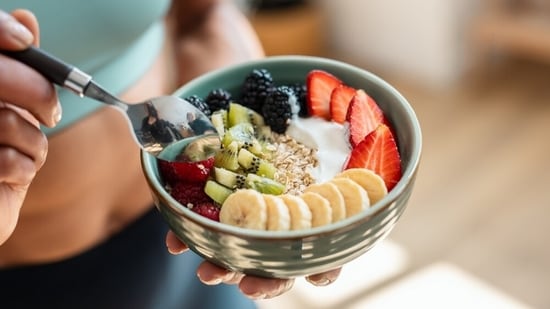
Much like how social media appears hyper-glossy and 'aesthetic', even the diets you see online seem aesthetic, with promises of easy and drastic transformation. Sure, the unrecognisable before-and-after results can be tempting, even too good to be true, enough to lure you into trying them, at least for a while. But these often carry health risks as they are frequently used without proper guidance.
Suvarna Sawant, chief dietitian and HoD of clinical nutrition and dietetics at Nanavati Max Super Speciality Hospital in Mumbai, shared with HT Lifestyle how these weight loss hacks are often not backed by evidence-based research.
He said, “Obesity and weight loss are amongst the most popular topics discussed on social media today, often promoting pseudo-scientific trends to achieve rapid transformation. Following these videos, discussing dietary restrictions or complete elimination of specific food groups can be dangerous, as very few of them are backed by credible scientific research.”
What are the diets seen most often on social media?
From keto and intermittent fasting to liver detox drinks, certain diets and eating patterns have skyrocketed in popularity because of social media trends and influencers.
{{/usCountry}}From keto and intermittent fasting to liver detox drinks, certain diets and eating patterns have skyrocketed in popularity because of social media trends and influencers.
{{/usCountry}}Dietician Suvarna highlighted some of the popular diets and said, “Individuals, altering their eating and dietary habits by taking trends like ketogenic diets, intermittent fasting, liver or kidney detox remedies to the extreme, often face a variety of health complications. Some of these diet trends encourage people to completely avoid carbohydrates, fats, or proteins can lead to nutrient deficiencies and imbalances in the body.”
Moreover, social media makes these diets even more appealing and hard to resist by giving testimonials. Survarna further added, “Sometimes people also fall for fake testimonies of individuals, sharing their transformative experiences, Eg, how a liquid-only diet helped to detox their liver; however, in reality, such a diet can lead to severe electrolyte imbalances, dehydration, and gastrointestinal issues, posing immediate health risks.”
What may happen when you follow the diets you see on social media feeds?
Another concerning aspect of these extreme dieting trends is that they also harm mental well-being, often leading to eating disorders.
Suvarna elaborated, "Several behavioural research articles have proved that following such drastic dietary trends can lead to the development of serious eating disorders such as orthorexia nervosa (obsession with 'healthy eating') or anorexia nervosa (fear of eating). Thus, following such trends can be physically as well as mentally harmful."
Shedding light on some of the vital priorities, he added, “Key to achieving weight-loss or being healthy is eating nutrient-rich foods, regular exercise and staying away from sedentary habits. And if you have any queries, always consult a registered dietician rather than seeking advice on social media.”
Sustainable plan is the way forward
Sujit Paul, group CEO, Zota Healthcare Ltd, weighed in on this and shared with HT Lifestyle that weight-loss diets shouldn’t follow a ‘one-size-fits-all’ approach, especially the way social media often makes them out to be. He highlighted the need for a weight-loss approach to be sustainable, something that is not short-lived.
He said, “Weight loss approach should take into consideration individualised nutrition, such as an individual's metabolism, lifestyle, and working with their long-term health goal. Weight loss should never be at the cost of good health. The diet, as a plan, should have a goal of keeping one energised and balanced, both hormonally and long-term.”
Reiterating the importance of proper guidance, as previously emphasised by dietician Suvarna Sawant, Sujit added, “Pick a diet that fits into your lifestyle; listen to and respect what your body tells you. Always seek proper guidance before jumping on a fad. We must never be about losing weight; it must be about living well. Shift the conversation away from ‘quick fixes’ and towards conscious, educated decisions backed by professional guidelines.”
The appearance of any diet on social media doesn’t necessarily negate its value, but as both experts consistently pointed out, proper guidance is key. Personalisation is essential, and diet plans on social media lack the necessary professional supervision.
Note to readers: This article is for informational purposes only and not a substitute for professional medical advice. Always seek the advice of your doctor with any questions about a medical condition.
Catch your daily dose of Fashion, Taylor Swift, Health, Festivals, Travel, Relationship, Recipe and all the other Latest Lifestyle News on Hindustan Times Website and APPs.
Catch your daily dose of Fashion, Taylor Swift, Health, Festivals, Travel, Relationship, Recipe and all the other Latest Lifestyle News on Hindustan Times Website and APPs.