
 E-Paper


From joint stiffness to posture changes: How sitting cross-legged for long hours may affect your body

 Prefer HTon Google



Sitting cross-legged for hours while working or relaxing? Here's how it may affect your body over time.
Sitting cross-legged is a common posture, particularly in Indian households, where people often sit on the floor during meals, conversations, religious activities, or while working. Sitting this way occasionally is not inherently harmful. However, maintaining the same position for prolonged periods can place additional stress on certain joints and soft tissues, particularly the knees, hips and lower back.
In an interview with HT Lifestyle, Dr P C Jagadeesh, senior consultant, orthopaedic trauma and robotic joint replacement surgeon at Kauvery Hospital and Joss Center, Jayanagar, Bengaluru explained what you should know about this habit.
Also read | From gentle stretches to breathing exercises: Yoga practices to reset your body and mind after Diwali
How can sitting cross-legged impact your health?
According to Dr Jagadeesh, when we sit cross-legged, the hips are positioned in flexion, abduction, and external rotation, while the knees remain bent. This requires a reasonable degree of mobility in both joints. Individuals with restricted hip mobility, existing knee problems, or degenerative joint conditions may experience discomfort because the posture places the joints under sustained mechanical stress. “Prolonged positioning can also cause temporary compression of nerves and blood vessels, resulting in numbness, tingling, or a sensation of pins and needles in the legs,” highlighted Dr Jagadeesh.
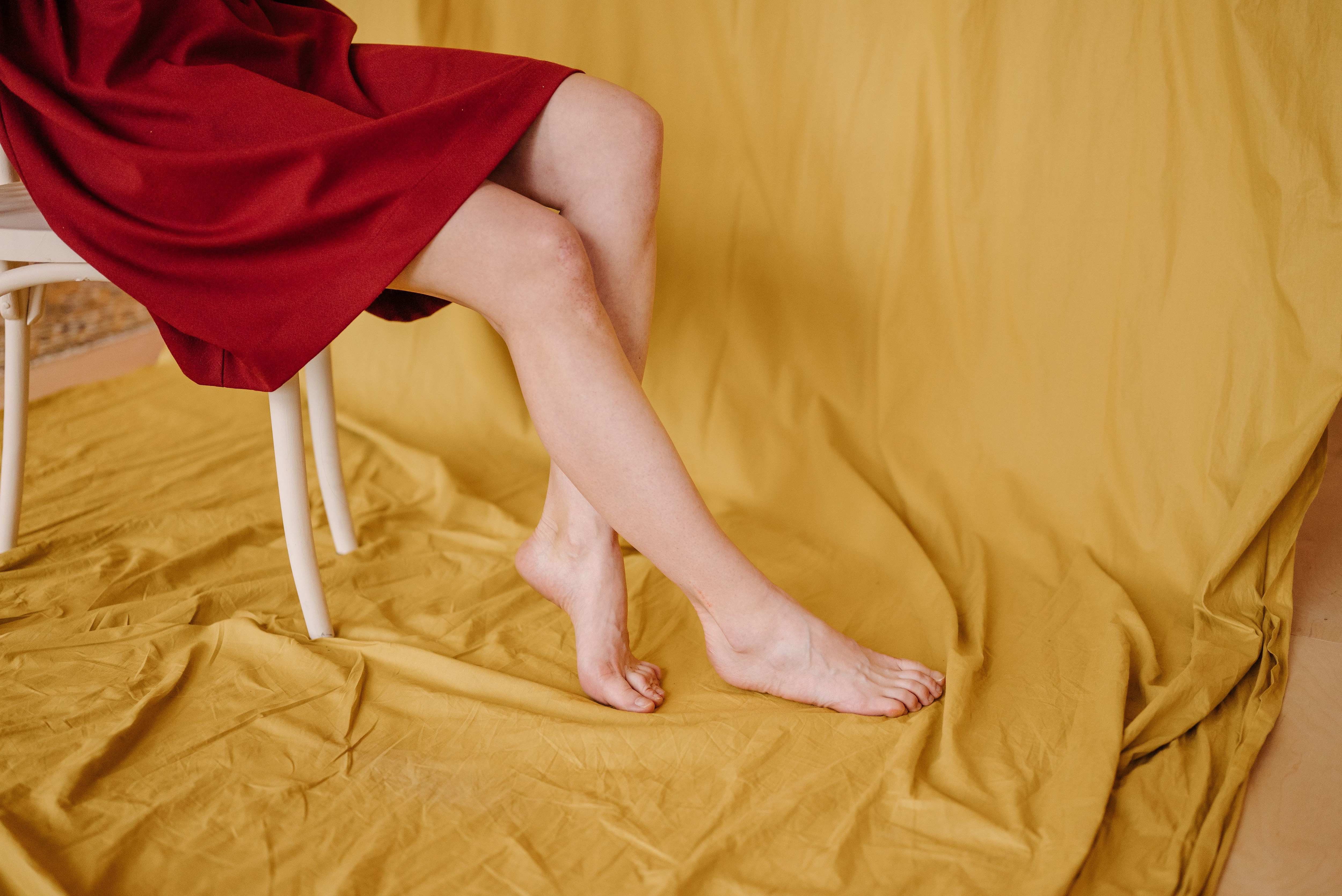
Another concern is the way people position their spine while sitting on the floor. Many tend to slump forward or round their lower back, particularly when they lack adequate hip mobility. Maintaining this position for extended periods can increase strain on the lumbar region and contribute to muscular fatigue, stiffness, and lower back discomfort.
People with knee osteoarthritis, meniscus injuries, hip arthritis, or a history of joint replacement should be particularly careful. Deep knee flexion and rotation may aggravate their existing symptoms. They should avoid forcing themselves into positions that cause pain or discomfort.
“However, it is important to understand that the posture itself does not automatically cause arthritis or permanent joint damage. The duration, frequency, individual joint health, and ability to move comfortably all influence the impact,” said Dr Jagadeesh.
How to improve posture?
“My recommendation is to avoid remaining in any single sitting position for hours, whether cross-legged, on a chair or on the floor,” said Dr Jagadeesh. Change positions every 30 to 45 minutes, take short walking breaks, and incorporate exercises that improve hip mobility and strengthen the muscles supporting the knees and spine.
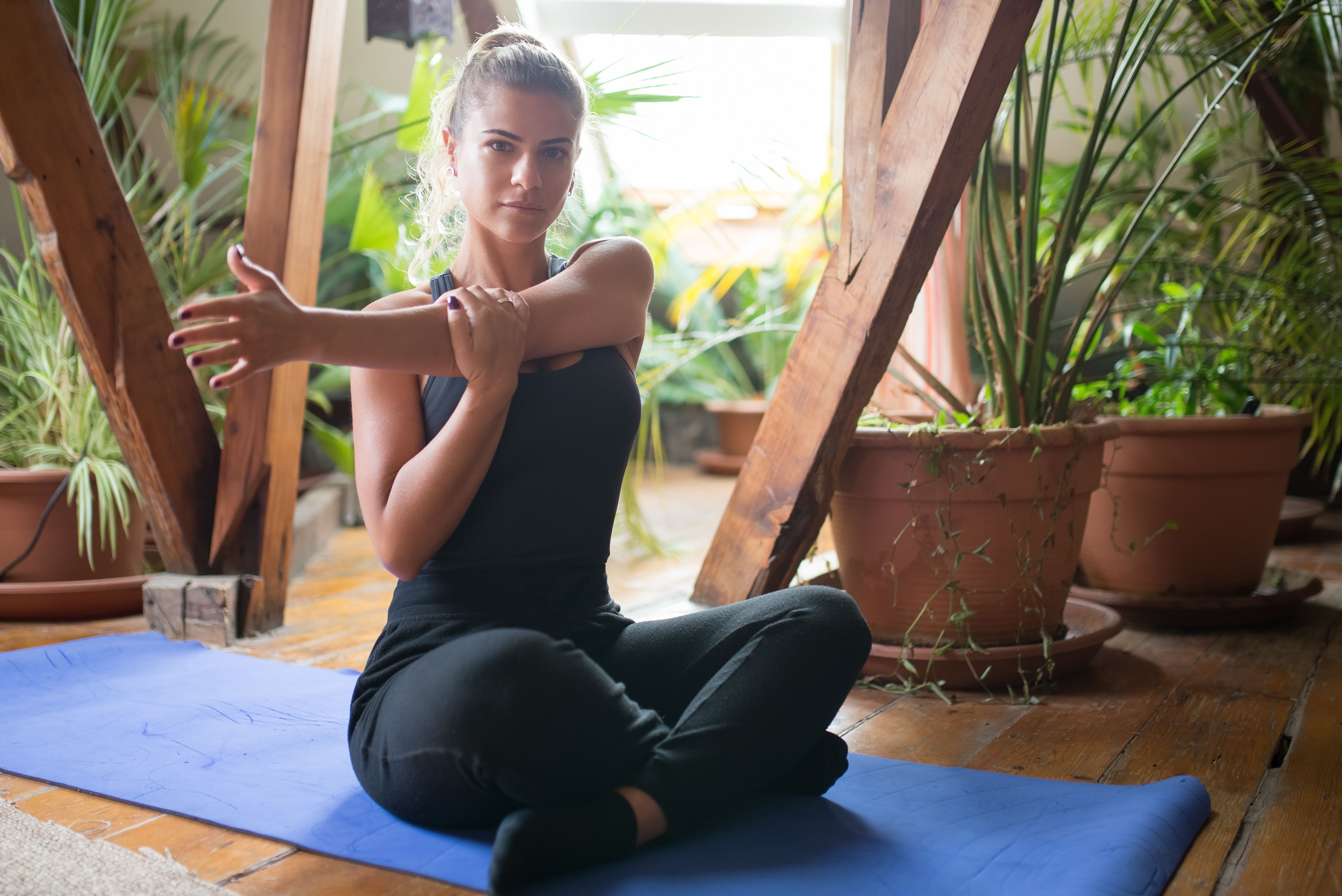
The larger concern is prolonged static sitting rather than one particular posture. Our joints are designed for movement, and regularly changing positions is one of the simplest ways to maintain musculoskeletal health.
Note to readers: This article is for informational purposes only and not a substitute for professional medical advice. Always seek the advice of your doctor with any questions about a medical condition.


Catch your daily dose of Fashion, Taylor Swift, Health, Festivals, Travel, Relationship, Recipe and all the other Latest Lifestyle News on Hindustan Times Website and APPs.


