
 E-Paper



Glomerular disease: Causes, symptoms, diagnosis and treatment for kidney disease that leads to swollen legs and more

 Prefer HTon Google


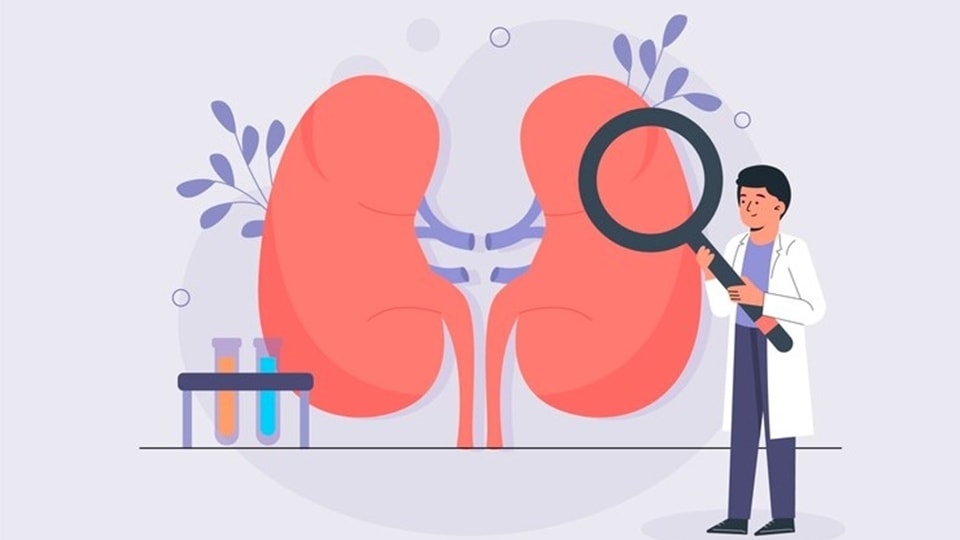
When left untreated for a prolonged period of time, glomerular disease can lead to chronic kidney disease or infections.
Glomeruli is the tiny network of blood vessels, also known as the filtering unit of the kidneys. Glomerular disease affects the Glomeruli and disrupts the functioning of the organs. In an interview with HT Lifestyle, Dr Nikhil Bhasin, Consultant Nephrologist and Renal Transplant Physician at Wockhardt Hospitals, Mumbai Central, explained the function of glomeruli - “Our kidneys have about one million tiny filter units called nephrons. Each nephron has a glomerulus which work like strainers used in cooking. They excrete waste and excess fluid into the urine while holding back the protein and blood products that your body needs.”
ALSO READ: 7 telltale signs of kidney disease you may be ignoring
Glomerular Disease: Causes
“Glomerular disease can occur by itself (that affect only the kidney) or it can be secondary to systemic diseases (Diabetes Mellitus) autoimmune diseases (SLE , Vasculitis), infections (HIV, Hepatitis B), cancers (Myeloma) and drugs (pain killers). Recently a number of cases of glomerular disease have been reported secondary to use of skin whitening creams,” said Dr Nikhil Bhasin.
ALSO READ: 6 types of foods to avoid with kidney problems
Glomerular Disease: Symptoms
Most patients present with swelling on their legs and around their eyes, excessive frothing in urine, high blood pressure and sometimes with decrease in urine production.
Glomerular Disease: Diagnosis
Glomerular disease is diagnosed based on the results of blood or urine tests. Other tests, including imaging tests and/or kidney biopsy, may be used to help diagnose the specific type of glomerular disease.
ALSO READ: World Kidney Day: An expert answers 9 common FAQs for your kidneys’ sake
Glomerular Disease: Treatment
Management of glomerular disorders involves treating underlying causes (such as infections or autoimmune conditions). It also involves controlling blood pressure and regulating protein loss with urine. Water pills are prescribed for regulating swelling in feet and ankles. Salt restriction in diet is recommended.
“If left untreated or poorly managed, glomerular disease can lead to chronic kidney disease, cardiovascular complications, infections and clotting episodes. In severe cases, kidney transplantation may be necessary,” added Dr Nikhil Bhasin.


