
 E-Paper



Liver transplant: Health expert answers frequently asked questions, shares types and precautions to take after surgery


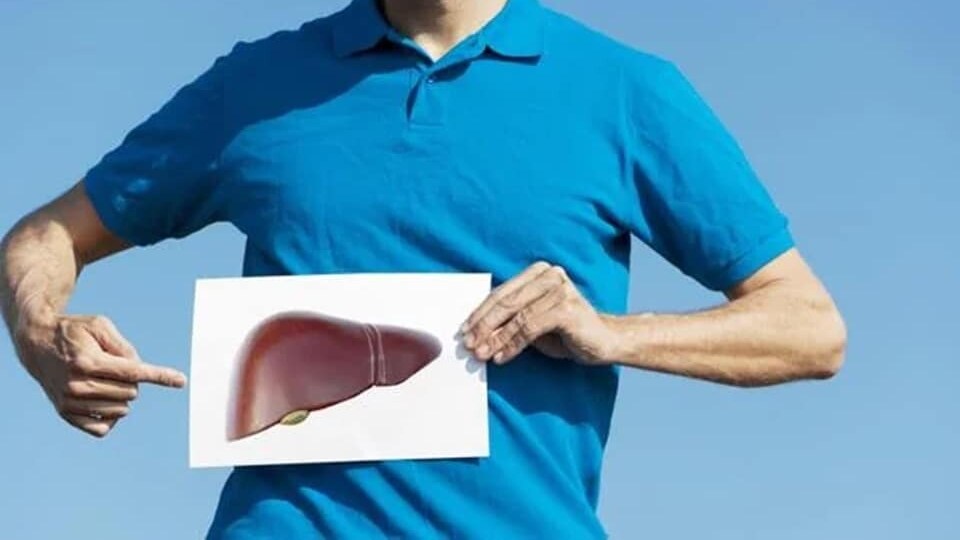
Here's all you need to know to clear all health doubts regarding a liver transplant, its types, what happens during the surgery and precautions to take after it
Liver transplantation is done when one whose liver disease has progressed so much that his/her condition is progressed to end stage liver disease hence, a liver transplant can improve one’s quality of life. A liver transplant is done to remove a failed liver and replace it with a healthy one taken from a donor who may be a living donor or even a deceased donor.
In an interview with HT Lifestyle, Dr Gaurav Chaubal, Director of Liver, Pancreas, Intestine Transplant Programme and Hepato-Pancreato-Biliary Surgery at Global Hospitals in Mumbai's Parel, explained, “It is a promising treatment and can save the lives of many patients with serious liver problems. A liver transplant is a last resort for people who have end-stage chronic liver disease, cirrhosis, liver failure, acute and chronic hepatitis, Biliary Atresia (a rare disease of the liver and bile ducts that occurs in infants), Budd-Chiari (a rare syndrome characterized by narrowing and obstruction (occlusion) of the veins of the liver (hepatic veins), metabolic diseases, liver cancer, bile duct cancer, hepatoblastoma and Non-Alcoholic Steatohepatitis (NASH) that is a fatty liver disease involving liver inflammation and scarring which can lead to cirrhosis. In the below article, we help you to know about the procedure.”
Talking about the types of liver transplants, he said, “Living donor liver transplantation, Cadaver liver transplantation, Domino liver transplantation, Split liver transplantation, Auxiliary liver transplantation, and Paediatric liver transplantation are some of its types.” As for who evaluates the patient during the transplant process, Dr Gaurav Chaubal revealed, “The expert performing the transplant will check if you are suitable to undergo it. You are healthy to tolerate the post medication of the surgery and if you have any health issues that can invite further complications during the transplant.”
He further highlighted what happens during a liver transplant surgery and shared, “If the liver is taken from the deceased body during the surgery, then the patient is required to visit the hospital without any delay. The team will perform the transplant by making an incision, disconnecting the blood supply to the liver and bile duct, and then removing the diseased liver. The donor’s liver is then placed in your body, and the blood supply is reattached. The procedure can last for about 12 hours. And if the liver is coming from a living donor, then the surgeon will operate on the donor, take the liver, and place it in the recipient’s body. Here, the health of the donor is also taken into consideration. The patients will have to stay in the hospital for at least a few days and the recovery period will be of a month.”
Suggesting precautions to take after the transplant, Dr Gaurav Chaubal advised, “The patient should follow a well-balanced diet like low-oil food, a well-balanced diet, have lots of fruits and vegetables, exercise regularly, and stay stress-free. Do relaxation techniques such as meditation to calm yourself down. Follow-up after liver transplantation. Go for frequent check-ups post-surgery as recommended by the doctor. You will have to follow the guidelines given by the expert to improve your quality of life.”


