
 E-Paper



Monsoon and menstrual infections: Gynaecologist shares 3 causes, prevention tips to stay safe

 Prefer HTon Google


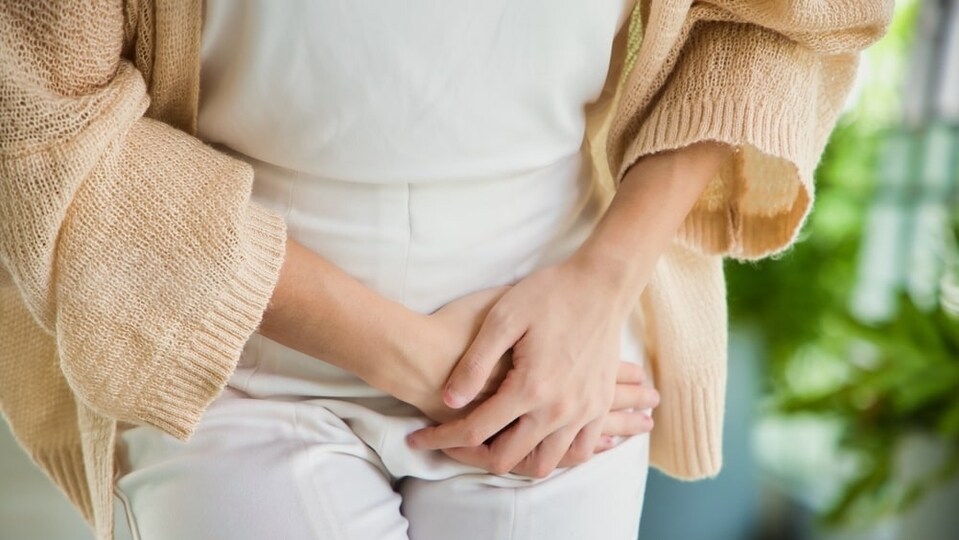
From not maintaining menstrual hygiene to wearing damp or wet clothes, know the main causes of menstrual infection spike in monsoon season.
The heightened humidity during the monsoon creates an ideal breeding ground for bacteria and viruses, making intimate hygiene especially crucial as the risk of infections significantly increases. In an interview with HT Lifestyle, Dr. Vinoad Bharrati, director and consultant gynaecologist at Rising Medicare Hospital and Elite Momz, Pune said, “When it comes to menstrual hygiene, the most crucial aspect is keeping your intimate area dry and clean while ensuring your comfort. During monsoon, there are many different environmental factors affecting this such as humidity in the environment, fluctuating temperature due to rains, and inadequately maintained washroom facilities.” Also read | Gastronetrologist shares 8 safe habits to prevent typhoid or food poisoning risk in monsoon: 'Avoid raw food unless...'
Women become more prone to menstrual infections:
“The body undergoes various modifications during the monsoon. There is frequently an increased urge to urinate, decreased water intake, and a depressed mood. Hormonal fluctuations may become more noticeable during this period, typically resulting in severe menstrual cramps,” the gynaecologist explained.
Causes of menstrual infections during the monsoon season:
1. Wearing damp or wet clothes: During the monsoon season, particularly during menstruation, the risk of bacterial and fungal infections is considerably increased. This is primarily caused by things like wearing clothing that is partially wet or damp, dehydration, and inadequate drying of the intimate area.
2. Using sanitary napkins for a longer time: Long-term use of a single sanitary napkin can cause skin irritation and fungal infections. Reduced water intake during the monsoon season also slows down urine production and can result in urinary retention, raising the risk of UTIs, which can develop into more serious kidney infections like pyelonephritis if treatment is not received. Also read | Gynaecologist shares 9 tips to boost immunity in women during monsoon: ‘Add as many spices as possible to your meals'
3. Other menstrual products can also cause infections: Period panties, tampons, menstrual cups, and sanitary napkins are just a few of the products that are available to maintain menstrual comfort and hygiene; each has pros and cons of its own.
Prevention tips to follow:
“During monsoon, to avoid the risk of the above-mentioned infections, it is important to keep the intimate area dry, drink a lot of water, use cotton absorbent clothes, and frequently change sanitary napkins or any menstrual hygiene product. It is also important to use clean washroom facilities to avoid further infection risk,” Dr Vinoad Bharrati added. He also emphasised on the importance of refraining from consuming too much street foods during monsoon as they can increase the risk of intestinal infections. This can further complicate menstrual hygiene practices. Also read | Monsoon stomach infections on the rise: Gastroenterologist shares reasons, common infections, symptoms and 7 precautions
Note to readers: This article is for informational purposes only and not a substitute for professional medical advice. Always seek the advice of your doctor with any questions about a medical condition.


Catch your daily dose of Fashion, Taylor Swift, Health, Festivals, Travel, Relationship, Recipe and all the other Latest Lifestyle News on Hindustan Times Website and APPs.


