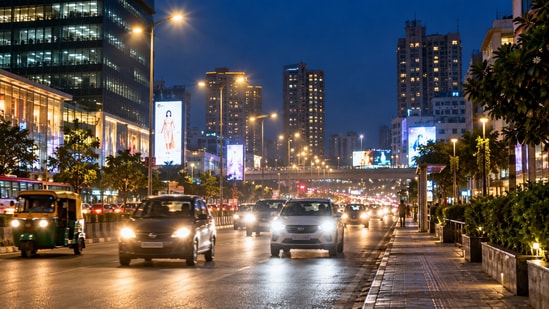
From street lamps and glowing billboards to screens indoors, artificial light is a constant and relentless presence in city life. After sunset, the city is illuminated to its fullest, with surroundings all lit up, both indoors and outdoors. All the brightness is practical, but for eye health, the excessive glare can be stressful, leaving you squinting.ALSO READ: Do you read while lying in bed? Ophthalmologist reveals why it is unsafe for your eye health: ‘Can cause headaches…’
What does an ophthalmologist have to say about this? How can constant exposure to artificial light affect our eyes, and how serious can these effects be? Dr Ganesh Pillay, Chief of Research and Academics and regional COO (Central India) at ASG Hospital Limited, weighed in to share some practical measures too to reduce discomfort from artificial glare. He answered some questions for us.
When should you see a doctor?
Light pollution is a part of daily life, so squinting in response to bright lights may begin to feel normal. But such discomfort should not simply be dismissed. Dr Pillay described when an eye check-up is necessary.
The expert revealed when an eye check-up is necessary: "Book yourself for an eye test if you experience a sudden intolerance to brightness. Any glare, halos around lights, sensitivity to light, blurry vision, or poor night vision should not just be considered a sign of ‘light pollution.’ These symptoms could also be indicative of a refractive/ocular condition.”
How to reduce brightness at home?
{{/usCountry}}The expert revealed when an eye check-up is necessary: "Book yourself for an eye test if you experience a sudden intolerance to brightness. Any glare, halos around lights, sensitivity to light, blurry vision, or poor night vision should not just be considered a sign of ‘light pollution.’ These symptoms could also be indicative of a refractive/ocular condition.”
How to reduce brightness at home?
{{/usCountry}}At home, you have more control over the brightness around you. With a few tweaks to your lighting and decor, you can reduce glare and create a more comfortable environment for your eyes.
The ophthalmologist recommended reducing unnecessary brightness after sunset: "You do not need every light in the house switched on at full intensity. Use softer, diffused lighting in living and sleeping areas, especially in the hours before bedtime.”
Can blinking help?
To this question, the doctor answered in the affirmative, recommending conscious blinking to help reduce dryness and discomfort. Blinking helps keep your eyes moist, especially when you spend long hours staring at a screen in a brightly lit office. Remember to blink regularly and follow the 20-20-20 rule: every 20 minutes, look away from your screen at something 20 feet away for 20 seconds.
How can you reduce glare during your commute?
Headlights, high-intensity LEDs, and illuminated advertising boards during your commute can cause visual fatigue. Dr Pillay recommended these measures to help:
- Keep your windscreen and spectacles clean to minimise glare.
- Wear spectacles with an up-to-date prescription to support clear vision.
- Avoid looking directly at bright headlights to reduce discomfort.
- Wear UV-protective sunglasses during the day to protect your eyes from UV rays.
Note to readers: This article is for informational purposes only and not a substitute for professional medical advice. Always seek the advice of your doctor with any questions about a medical condition.
Catch your daily dose of Fashion, Taylor Swift, Health, Festivals, Travel, Relationship, Recipe and all the other Latest Lifestyle News on Hindustan Times Website and APPs.
Catch your daily dose of Fashion, Taylor Swift, Health, Festivals, Travel, Relationship, Recipe and all the other Latest Lifestyle News on Hindustan Times Website and APPs.