
 E-Paper



What does our night vision reveal about eye health? Ophthalmologist Dr Mounika Gadikota explains

 Prefer HTon Google



Night vision makes early signs of vision-related issues such as cataract more apparent, shares Dr Mounika Gadikota.
The symptoms of eye health-related issues are often very self-apparent, as blurred vision is a common symptom. However, according to Dr Mounika Gadikota, taking note of night vision can help an individual get early warnings about conditions such as cataract, which not only makes seeing more difficult in the dark but also increases sensitivity to bright light.
Also Read | Can restricted eating increase the risk of cardiovascular deaths? Cardiologist Dr Anshul Kumar Jain explains
Dr Gadikota shared with HT Lifestyle how night vision shows early warning signs of cataract and vision-related issues, what factors increase the risk, and what can be done about it.
How night vision warns of cataract
“Many people assume that cataracts only cause blurry vision. However, one of the earliest and most frustrating symptoms of cataract is difficulty seeing at night and increased sensitivity to bright lights,” stated Dr Gadikota.
While driving in the evening, if the headlights of oncoming vehicles seem unusually bright, streetlights appear to have halos around them, and road signs become harder to read, it can be the result of cataract formation, shared the ophthalmologist.
“A cataract develops when the eye's natural lens gradually becomes cloudy. In a healthy eye, the lens focuses light sharply onto the retina, allowing clear vision. As cataracts form, the cloudy lens scatters incoming light, reducing contrast and creating glare,” she explained.
“This scattering of light is particularly noticeable at night. During the daytime, abundant ambient light may compensate for some vision loss. At night, however, the reduced lighting makes the effects of cataracts more pronounced.”
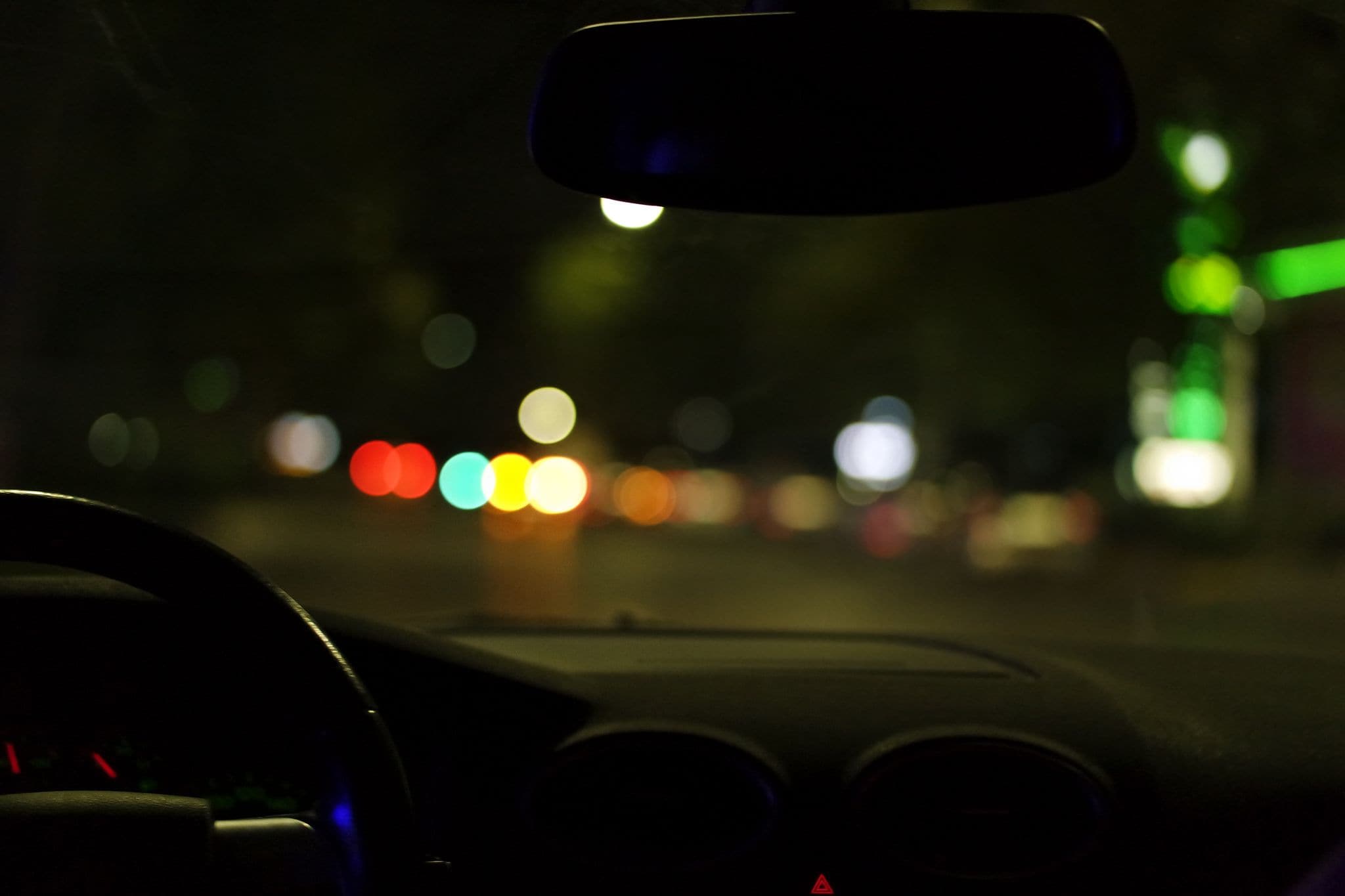
Patients often report difficulty recognising faces, reading signboards, judging distances, or driving comfortably after dark.
“Glare is another common complaint,” noted Dr Gadikota. “Bright sunlight, LED lights, and vehicle headlights may cause discomfort or appear excessively dazzling. Some individuals notice rings or halos around lights, while others feel their vision temporarily ‘washes out’ when exposed to bright illumination.”
How to deal with cataract
“Although cataracts are commonly associated with ageing, they can also occur earlier due to diabetes, prolonged steroid use, eye injuries, excessive UV exposure, or certain genetic factors,” shared the ophthalmologist.
In the early stages, stronger spectacles, improved lighting, and anti-glare measures may provide temporary relief. However, Dr Gadikota noted that these solutions do not stop cataract progression.
“When cataracts begin affecting daily activities, cataract surgery remains the most effective treatment,” she stated. “Modern cataract surgery is a quick and highly successful procedure in which the cloudy lens is replaced with a clear artificial intraocular lens. Most patients experience significant improvement in visual clarity, reduced glare, enhanced contrast sensitivity, and better night-time vision after surgery.”
According to the doctor, driving at night should not feel like a challenge, and bright lights should not interfere with everyday life.
“If you are experiencing persistent glare, halos around lights, or worsening night vision, an eye examination can help determine whether cataracts are the underlying cause,” she stated. “Early diagnosis and timely treatment can restore not only vision but also confidence and independence in daily activities.”
Note to readers: This article is for informational purposes only and not a substitute for professional medical advice. Always seek the advice of your doctor with any questions about a medical condition.
Dr Mounika Gadikota, MBBS, MS, FCRS, MRCS, is a consultant ophthalmologist at Dr Agarwal Eye Hospital, Bannerghatta Road, Bangalore.


Catch your daily dose of Fashion, Taylor Swift, Health, Festivals, Travel, Relationship, Recipe and all the other Latest Lifestyle News on Hindustan Times Website and APPs.


