
 E-Paper



Study finds that people who took GLP-1 drugs regain about 10 kg within 18 months of stopping

 Prefer HTon Google


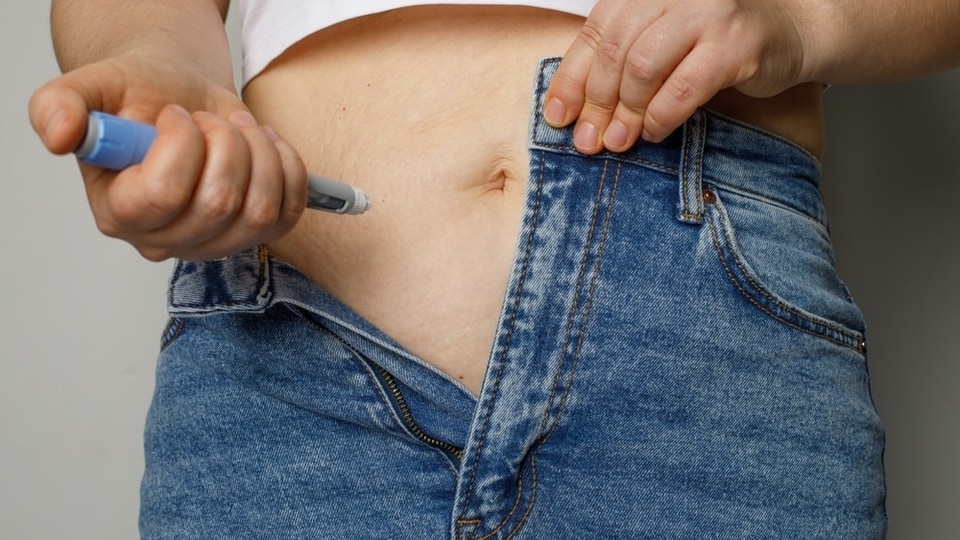
Research shows that individuals using GLP-1 medications for weight loss, such as Ozempic, regain nearly 22 pounds within 18 months of stopping.
Researchers have found that people who take GLP-1 drugs such as Ozempic and Wegovy, which gained popularity for aiding weight loss, regain the kilos they shed during the medicine course within1½ years of stopping the drug.
The peer-reviewed study was published in the Medical Journal in January 2026. It observed 37 studies following 9,300 participants on 13 weight-loss medications.
The study
The study found that those who took weight-loss medications like Ozempic, Wegovy, and other GLP-1 drugs regained the weight they had lost after 18 months. Moreover, they returned to their baseline weight. They regained weight four times faster than those who used behavioural practices, such as diet and exercise.
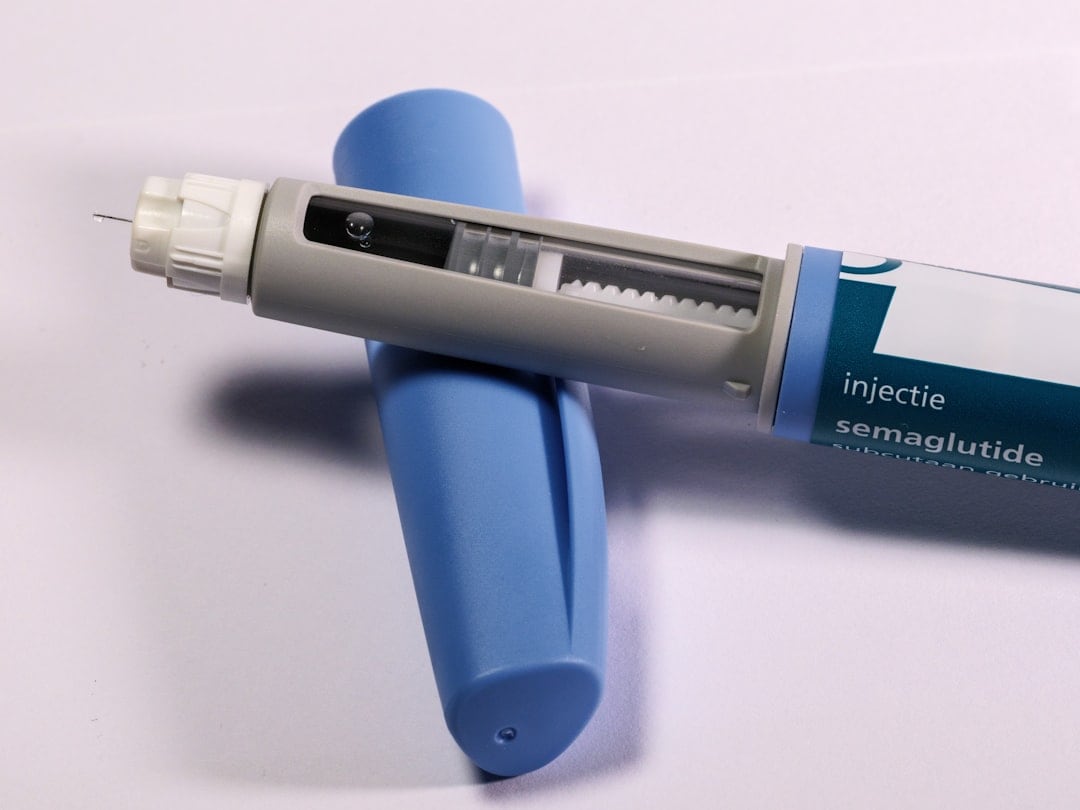
In addition to regaining the weight, people on these drugs also returned to pre-drug levels of key markers of their cardiometabolic health, including blood pressure and cholesterol, about 17 months after coming off all weight-loss drugs.
Additionally, Sam West, a physiology researcher at Oxford University who co-wrote the study, told The Washington Post that the people who took the most common categories of weight-loss drugs, such as semaglutide and tirzepatide, marketed as Ozempic, Wegovy, and Zepbound, tended to lose about 33 pounds during their treatment but then regained about 22 pounds (10 kg approximately) in the first year after stopping. “What was particularly striking in our data was just how fast it was regained,” he said.
Of the 9288 titles screened, only 37 studies were included, with an average treatment duration of 39 weeks and an average follow-up of 32 weeks. The average monthly rate of weight regain was 0.4 kg monthly. All cardiometabolic markers were projected to return to baseline within 1.4 years after discontinuation of GLP-1 drugs.
How does the GLP-1 drug work?
For the uninitiated, GLP-1 (glucagon-like peptide-1) helps regulate blood sugar levels by stimulating insulin secretion, suppressing glucagon secretion (which raises blood sugar levels), and slowing stomach emptying, leading to a feeling of fullness and reduced appetite.
The GLP-1 drug is used by millions because it works remarkably well by reducing food cravings, slowing digestion, and keeping you feeling full for longer. But so far, there has been comparatively less research on what happens when users stop taking the drugs.
Note to readers: This article is for informational purposes only and not a substitute for professional medical advice. Always seek the advice of your doctor with any questions about a medical condition.


Catch your daily dose of Fashion, Taylor Swift, Health, Festivals, Travel, Relationship, Recipe and all the other Latest Lifestyle News on Hindustan Times Website and APPs.


