
 E-Paper



Summer heat after sunset may still be dangerous: Doctor warns about nighttime heatwave risks

 Prefer HTon Google


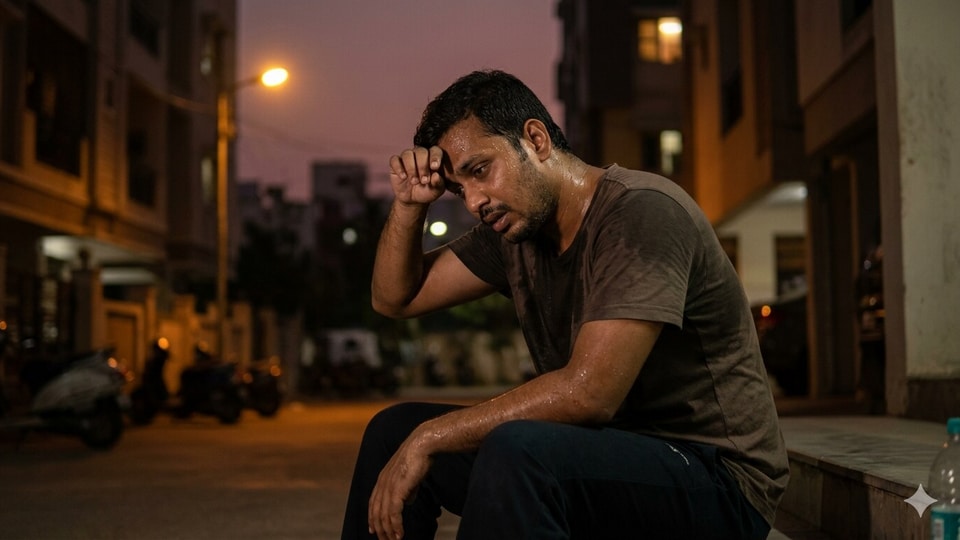
Even after sunset, temperatures can remain extremely high during heatwaves, making it unsafe to spend prolonged time outdoors at night.
With heatwaves occurring during summer, many people assume that the danger reduces after sunset. While daytime heat is widely recognised and precautions are commonly taken, nighttime heatwaves are lesser known, and people head outside, but can also equally pose serious health risks. Most people are only aware of the dangers of daytime heat, but high temperatures at night can be detrimental to your health.
ALSO READ: How to stay safe in heatwave? Doctor suggests ‘golden rules’ to prevent heat exhaustion
So, this serves as a reminder to reconsider spending prolonged time outdoors at night as well, because temperatures after sunset may still remain dangerously high and continue putting stress on the body.
HT Lifestyle in a conversation with Dr Hari Kishan Boorugu, consultant physician and diabetologist at Yashoda Hospitals, Hyderabad, tried to understand why heat-related risks do not reduce after sunset and how you can take precautions.
Why nights also pose heat-related risks?
“Nighttime heatwaves are considered more dangerous than daytime heatwaves from a medical perspective because the body does not get enough time to recover from the heat exposure experienced during the day,” Dr Boorugu said, explaining that the body actually relies on cooler nighttime temperature to recover from the stress and heat from the day, but when nights remain hit too, the body is continuously under heat stress without getting any time to cool down. It significantly increases the risk of heat-related illnesses.
Who are vulnerable from heat-related illness the most?
During heatwaves, both daytime and nighttime temperatures remain unusually high. So before stepping outdoors at night assuming it is safer, certain groups need to exercise extra precautions. The doctor warned that young children, older adults, people with neurological disorders, and individuals taking medications such as anticholinergic drugs that reduce sweating, are particularly vulnerable to heat-related illnesses.
Signs of heat exhaustion and heat-related illness

The diabetologist shared a list of signs that point towards heat-related illnesses:
- Excessive fatigue
- Dizziness or feeling faint
- Weakness
- Nausea
- Feeling unusually unwell
- Headache
- Increased body temperature
- Excessive sweating
- Rapid heartbeat
How to identify emergencies?
Prolonged heat exposure can sometimes escalate into a medical emergency. You need to identify it immediately, otherwise it can turn fatal.
“In severe cases, prolonged heat exposure can lead to heat stroke, a life-threatening condition where body temperature rises above 106°F, causing organ dysfunction and dangerously low blood pressure. Immediate medical attention and intensive care may be required,” the doctor said.
How to stay safe from nighttime heatwave?
For protecting yourself from nighttime heatwaves, Dr Boorugu shared these tips:
- Keeping windows open when outdoor temperatures are lower than indoor temperatures may help improve ventilation.
- Using air coolers or air conditioners can reduce indoor heat.
- Frequently wetting the body with water and using a fan can also support cooling.
- Simply using a fan in extremely high temperatures without cooling the body may not be effective.
- Maintain hydration by taking electrolyte-rich fluids.
Note to readers: This article is for informational purposes only and not a substitute for professional medical advice. Always seek the advice of your doctor with any questions about a medical condition.


Catch your daily dose of Fashion, Taylor Swift, Health, Festivals, Travel, Relationship, Recipe and all the other Latest Lifestyle News on Hindustan Times Website and APPs.


