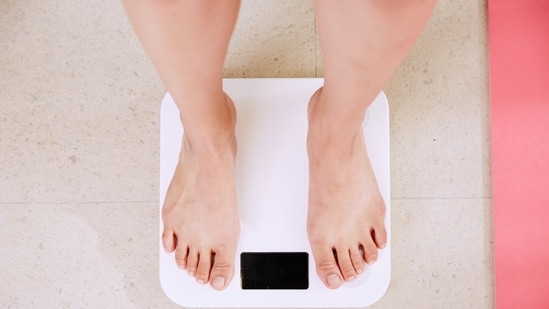
Weight loss is one of the most discussed and hyped topics on social media. You will find tips, tricks, exercises, diet plans, and whatnot for losing weight. But there is hardly enough conversation around what a person actually goes through during this journey.
In this edition of HT Lifestyle’s ‘Things Nobody Tells You’ series, we spoke to Dr Neha Shah, chief obesity specialist and co-founder of The Good Weight, to bring out the lesser-discussed realities of weight loss, from the physical and emotional changes to the challenges that often go beyond the number on the weighing scale.
Also read | Longevity doctor warns against hidden risks of rapid weight loss: ‘Becoming lighter but weaker’
The scale lies more than you think
“Water retention alone can mask two to three kilos of real fat loss. A stressful week at work, a salty meal, and even a new exercise routine — muscles hold water while they repair, which is a completely normal response that panics people anyway,” highlighted Dr Neha. All of this shows up as gain on the scale when the actual trend underneath is downward.
Muscle loss is the quiet failure nobody flags
According to Dr Neha, aggressive calorie cuts drop weight fast. A good chunk of that fast drop is muscle, not fat — and this matters more than people realise, because muscle is what keeps your metabolism from crashing later. Slower is not the same as failing.
Hunger doesn't behave the way you'd expect
{{/usCountry}}According to Dr Neha, aggressive calorie cuts drop weight fast. A good chunk of that fast drop is muscle, not fat — and this matters more than people realise, because muscle is what keeps your metabolism from crashing later. Slower is not the same as failing.
Hunger doesn't behave the way you'd expect
{{/usCountry}}“There's a hormonal shift that happens with sustained weight loss — ghrelin climbs, leptin drops — and it isn't willpower failing you, it's biology actively working against you,” highlighted Dr Neha.
Nobody tells you this part of why so many people regain weight within a year of hitting their goal. The hardest phase isn't losing the weight, honestly. It's the eighteen months that come after — when your body's quietly trying to claw its way back to wherever it started from.
Sleep undoes more than people want to admit
Poor sleep raises cortisol and disrupts your hunger hormones. “Three bad nights and it can unravel a whole week of eating right — I've seen it happen more times than I can count,” said Dr Neha.
Patients come in obsessing over protein grams, hitting every macro just right, running on five hours of sleep. And then wondering why the scale won't budge. Food feels controllable, sleep doesn't, somehow, even though it should.
Note to readers: This article is for informational purposes only and not a substitute for professional medical advice. Always seek the advice of your doctor with any questions about a medical condition.
Catch your daily dose of Fashion, Taylor Swift, Health, Festivals, Travel, Relationship, Recipe and all the other Latest Lifestyle News on Hindustan Times Website and APPs.
Catch your daily dose of Fashion, Taylor Swift, Health, Festivals, Travel, Relationship, Recipe and all the other Latest Lifestyle News on Hindustan Times Website and APPs.