
 E-Paper



Will men go extinct? Study finds Y chromosomes are shrinking in the world

 Prefer HTon Google


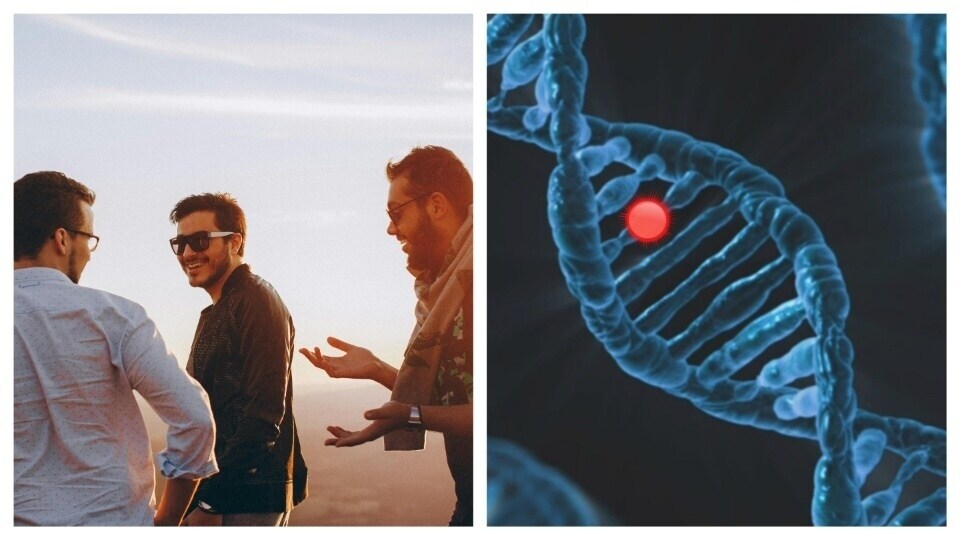
Study reveals concerns over dwindling Y chromosomes, posing a question of male extinction.
A study from the University of Kent has been making the rounds on social media lately and sparked concern among netizens. The findings revealed that the Y chromosome is dwindling, which is primarily responsible for male sex determination. This has raised questions about the potential extinction of males altogether in the future.
Role of chromosomes
Humans have 23 pairs of chromosomes in each cell. A chromosome is a thread-like structure found in cells and is composed of the genetic material of an organism. The 23rd chromosome pair is unique and determines the sex of the baby. Females have a pair of X chromosomes, while males have one X and one Y chromosome. The Y chromosome is the foundation of male biology and carries SRY (sex-determining region Y gene) and is responsible for the formation of testes in the embryo.
Deteriorating Y chromosomes
Y chromosome is the base for male existence. It is passed from male parent to male offspring. But it is not necessary for basic life functions. X on the other hand has essential life genes, making it indispensable. X chromosome has 900 protein-coding genes, while Y has only 100 protein-coding genes. Over time, the Y chromosome has a limited gene repertoire, shrivelling and degenerating slowly.
However, this has not always been the case. 166 million years ago, the Y chromosome was as gene-rich as the X chromosome. There’s an inherent shortcoming, as the Y chromosome is the odd one out of the lot. All the chromosomes exist in pairs, and each cell has two copies of each. But, the Y chromosome is a single copy, unable to undergo genetic recombination. With two copies of the chromosome, it is possible to get rid of damaging genetic mutation by shuffling the genes after every generation. Y chromosome lacks the benefits of genetic recombination and starts to shrink generation after generation it keeps carrying the damaging genetic mutation, causing the chromosome to degenerate.
Evolutionary resilience
However, the Y chromosome shows resistance and adaptability. A Danish study, published in PLoS Genetics, revealed that the Y chromosome attempts to preserve itself and develops a particular DNA sequence, palindromes, that essentially repairs the damaged genes. Here, undamaged genes are utilised as a blueprint to fix the damaged ones. The study also illustrated the likelihood of the Y chromosome’s structural rearrangement for gene amplification, to maintain sperm health.
However, despite all attempts, the Y chromosome is continuing on its path of decline. The Y chromosome has disappeared in Japanese spiny rats and mole voles. In such a case, the SRY gene in the Y chromosome, responsible for the male characteristics, would latch onto another chromosome. Y chromosome would no longer determine sex, without the SRY gene. Although, it is doomed as well, and the new sex-determining chromosome SRY gene has moved onto, would experience the same degeneration as the Y chromosome.
Future of reproduction
The dwindling Y chromosome raises concern for human reproduction as the Y chromosome is essential for sperm production, and the continuation of the species. With the aid of assisted technologies, many of the genes can be bypassed. This implies that soon in the future, with the help of genetic engineering same-sex female couples or infertile men might be able to have children. But, even if it’s feasible, it’s unlikely to replace the natural reproduction completely. As per the study, the Y chromosome’s disappearance is set to happen 4.6 million years into the future. But it does indicate that the future holds a new system of sex determination, reproduction, or if anything, an entirely new species.


