
 E-Paper



World Mosquito Day 2024: From malaria to yellow fever, dangerous mosquito-borne diseases to be aware of during monsoon

 Prefer HTon Google


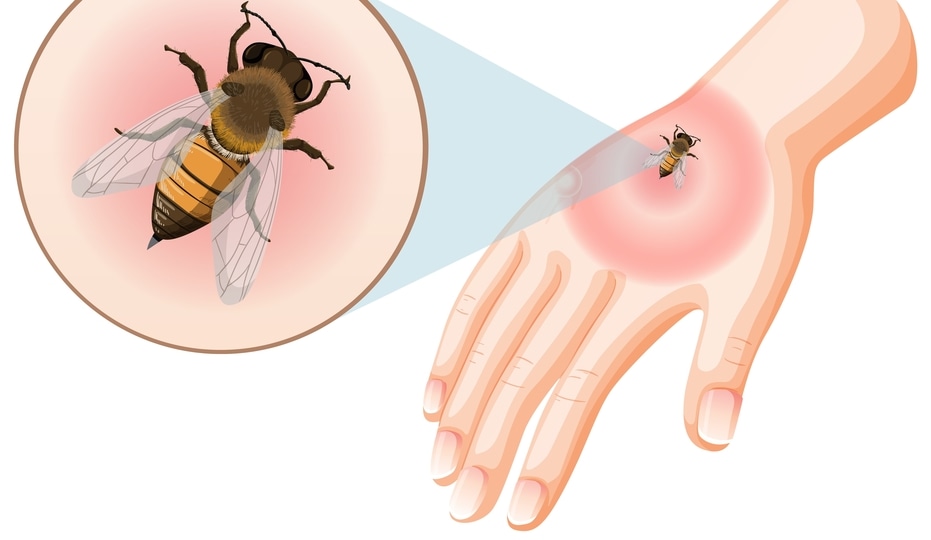
World Mosquito Day 2024: Monsoon season increases mosquito-borne disease risks like malaria, West Nile virus, dengue, Zika, yellow fever and chikungunya.
Every year on August 20, World Mosquito Day is observed to highlight the serious threats mosquitoes pose to public health and to recognise the ongoing efforts to mitigate their impact. This day commemorates the 1897 discovery by British physician Sir Ronald Ross, who identified the link between mosquitoes and malaria. As the monsoon season brings relief from the summer heat, it also creates ideal breeding conditions for mosquitoes, heightening the risk of mosquito-borne diseases. To stay healthy, it's crucial to be aware of these risks. Here are some of the most common monsoon-related diseases to watch out for. (Also read: World Mosquito Day: What is the theme for 2024? Know date, history, significance and more )
Malaria
Malaria is a widespread and dangerous disease transmitted by female Anopheles mosquitoes. Symptoms typically include fever, headache, and chills, which begin 10 to 15 days after being bitten. In severe cases, malaria can be fatal. Each year, over 247 million cases are diagnosed worldwide. Although treatments and a multi-dose vaccine are available, malaria parasites are known for their ability to rapidly adapt, leading to drug-resistant strains that complicate treatment efforts.
West Nile Virus
West Nile virus, transmitted by disease-carrying mosquitoes, can lead to a range of symptoms, including fever, headache, neck stiffness, tremors, convulsions, and muscle weakness. However, up to 80% of those infected may experience no symptoms at all. Despite being often asymptomatic, the virus can be deadly. Severe forms of the disease, such as West Nile encephalitis or meningitis, occur in about one in 150 diagnosed cases. Those most at risk of serious illness include individuals who are immunocompromised, such as after an organ transplant, those with certain medical conditions, or those over the age of 60.
Dengue
Dengue usually leads to mild illness, with treatments aimed at relieving symptoms. However, in severe cases, it's often called "break-bone fever" due to the intense headache, muscle and joint pain, high fevers, nausea, fatigue, severe abdominal pain, and vomiting it can cause. In some instances, dengue can even be fatal. The Aedes aegypti mosquitoes, which transmit dengue, are often dubbed the "cockroaches of mosquitoes" because of their ability to adapt to urban environments and live close to humans.
Zika
The Zika virus is often asymptomatic, but when symptoms do occur, they can include muscle and joint pain, headache, fever, rash, and conjunctivitis. While the Aedes mosquitoes are the primary carriers of the virus, Zika can also be transmitted sexually. The virus can persist in sexual organs for extended periods, often without any symptoms, leading to unintentional transmission to sexual partners.
Yellow fever
Yellow fever is transmitted by Aedes and Haemogogus mosquitoes. Symptoms like headache, fever, muscle pain, and nausea can occur, with jaundice giving the disease its name. It's often hard to diagnose as it mimics other illnesses, but an effective vaccine and supportive treatments are available.
Chikungunya
The main carrier of the chikungunya virus, the Aedes albopictus (Asian Tiger mosquito), is an aggressive species that has spread widely in the last 30 years, bringing the virus along. Aedes aegypti, another invasive mosquito species, also transmits the virus. While several vaccines are in development, there are currently no approved vaccines or antiviral treatments for chikungunya.


