Blood pressure is the force blood exerts against the walls of the arteries. According to the Cleveland Clinic website, a normal blood pressure reading for most adults is below 120/80 mm Hg.
If the blood pressure is higher than normal, it raises the risk of heart disease. However, low blood pressure can also cause health issues. Therefore, keeping it steady within a healthy range is of vital importance.
To help those who find it difficult to stick to the range, Dr Kunal Sood took to Instagram on July 24 and listed five supplements that help. They are presented as follows.
1. Beetroot powder
Beetroot provides dietary nitrate, which oral bacteria convert into nitrite and then nitric oxide. Nitric oxide relaxes blood vessels and may lower systolic blood pressure (blood pressure when the heart is contracting and pushing blood into the arteries).
{{/usCountry}}Beetroot provides dietary nitrate, which oral bacteria convert into nitrite and then nitric oxide. Nitric oxide relaxes blood vessels and may lower systolic blood pressure (blood pressure when the heart is contracting and pushing blood into the arteries).
{{/usCountry}}However, Dr Sood pointed out that the benefits depend on the product's nitrate content rather than simply the amount of beetroot powder.
2. CoQ10
Coenzyme Q10 (CoQ10) is a natural substance that helps create energy in cells and acts as an antioxidant, supporting heart health and muscle function.
As Dr Sood stated, “CoQ10 supports mitochondrial energy production and helps reduce oxidative stress. Meta-analyses suggest a modest reduction in systolic blood pressure, particularly after eight to 12 weeks of consistent use, while effects on diastolic pressure are less consistent.”
3. Magnesium
Magnesium helps regulate vascular muscle contraction, calcium balance, and endothelial function. According to Dr Sood, “Blood pressure benefits appear greatest in people with hypertension or low magnesium status rather than everyone equally.”
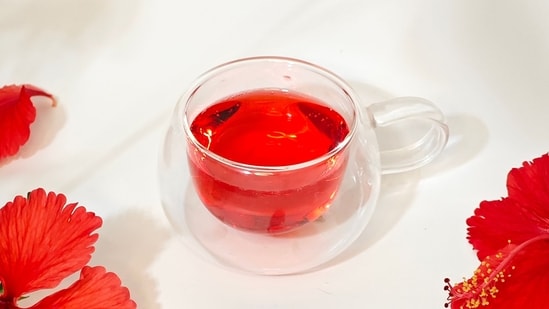
4. Hibiscus tea
Unsweetened Hibiscus sabdariffa tea is not just aesthetically pleasing; it also contains polyphenols that may support nitric oxide signalling and blood vessel relaxation. “Meta-analyses suggest meaningful reductions in systolic and diastolic pressure, although study results vary considerably,” noted Dr Sood.
5. Omega-3s
Omega-3 fatty acids like EPA and DHA support endothelial function, inflammatory signalling, and vascular health. “At about two to three grams of combined EPA and DHA daily, studies show modest reductions in blood pressure, particularly in people with hypertension,” shared Dr Sood.
The physician further highlighted, “These studies evaluated each supplement separately. Their effects cannot simply be added together, and they should not replace prescribed blood pressure medication.”
Note to readers: This article is for informational purposes only and not a substitute for professional medical advice. Always seek the advice of your doctor with any questions about a medical condition.
This report is based on user-generated content from social media. HT.com has not independently verified the claims and does not endorse them.
Dr Kunal Sood, MD, is a double board-certified physician in Anesthesiology and Interventional Pain Medicine. He did his residency and fellowship in anesthesiology at Wayne State University in Detroit, Michigan, followed by a one-year fellowship in interventional pain medicine. He later became the Medical Director of the office in Germantown, Maryland.
Catch your daily dose of Fashion, Taylor Swift, Health, Festivals, Travel, Relationship, Recipe and all the other Latest Lifestyle News on Hindustan Times Website and APPs.
Catch your daily dose of Fashion, Taylor Swift, Health, Festivals, Travel, Relationship, Recipe and all the other Latest Lifestyle News on Hindustan Times Website and APPs.