
 E-Paper



5 life lessons from Sonam Wangchuk that align with Buddhist philosophy

 Prefer HTon Google


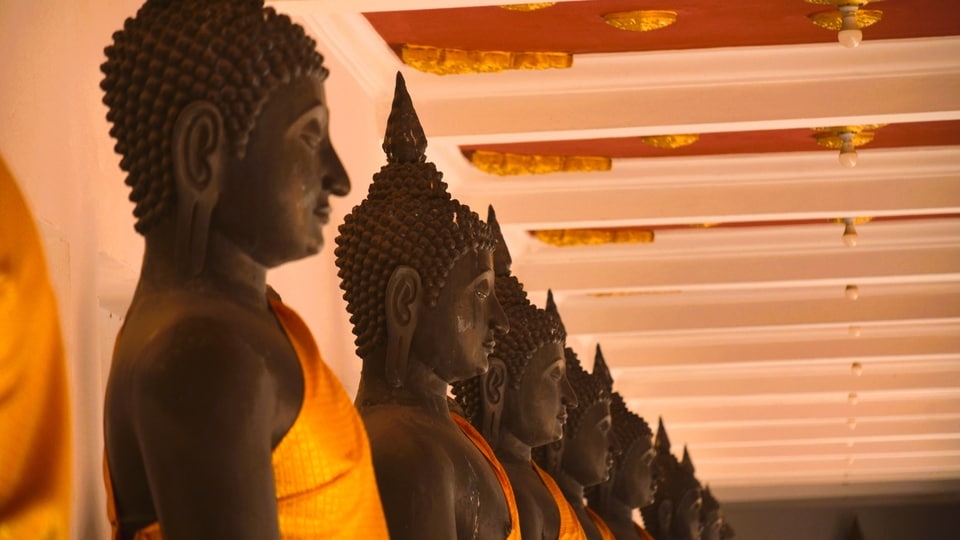
Here are five life lessons inspired by Sonam Wangchuk's public life that echo timeless Buddhist teachings.
With the ongoing hunger strike of Sonam Wangchuk, many people are revisiting the values that have shaped his work over the years. The engineer, education reformer and climate activist is known for speaking about sustainable living, community welfare and protecting the fragile Himalayan ecosystem. While Wangchuk does not describe himself as a Buddhist teacher, many of the principles reflected in his work closely resemble ideas found in Buddhist philosophy.
Here are five life lessons inspired by his public life that echo timeless Buddhist teachings.
Also Read 5 Stoic lessons from Marcus Aurelius that can help you handle everyday stress
1.Live in harmony with nature
One of Wangchuk's strongest messages has been the importance of protecting nature, especially the fragile environment of Ladakh. His innovations, such as artificial glaciers and eco-friendly buildings, are designed to work with nature rather than harm it.
This reflects an important Buddhist teaching: the respect for all forms of life. Buddhism encourages people to see themselves as part of nature and to care for the environment rather than exploit it.
2. Choose purpose over personal gain
Throughout his career, Wangchuk has focused on solving problems faced by local communities instead of chasing fame or wealth. His work in education and environmental conservation shows a commitment to creating lasting change.
Buddhist philosophy also teaches that life becomes more meaningful when actions are guided by compassion and service instead of personal rewards.
3. Never stop learning
Wangchuk has often encouraged students to ask questions, think differently and learn through real-life experiences instead of simply memorising lessons.
Buddhism places similar importance on self-learning and self-awareness. It teaches that wisdom grows when people stay curious, observe carefully and keep an open mind.
Also Read How to practice Stoicism in a stressful world, according to Marcus Aurelius
4. Find strength in simplicity
Many of Wangchuk's projects use simple, local resources to solve everyday problems. His work shows that meaningful solutions do not always require expensive technology.
Buddhist teachings also encourage a simple way of living. They suggest that true happiness comes not from owning more, but from appreciating what we already have and living with contentment.
5. Think about the greater good
Whether working on education, clean energy or water conservation, Wangchuk's efforts are aimed at helping entire communities and future generations.
This closely reflects the Buddhist value of compassion. The philosophy encourages people to think beyond themselves and consider how their actions affect others. Kindness, service and responsibility are seen as important parts of a meaningful life.
Sonam Wangchuk's work is rooted in science, education and environmental action, not religious teaching. Even so, the values reflected in his public life share many similarities with Buddhist philosophy. His journey reminds us that compassion, simplicity and service are not just spiritual ideas. They can also become practical ways to live a more meaningful life.
Disclaimer: This article draws parallels between Sonam Wangchuk's publicly known work and widely recognised Buddhist principles. It does not suggest that Wangchuk teaches or represents Buddhist philosophy.


