
 E-Paper



‘Election Commission developing code of conduct for political ads on social media’
According to the affidavit in Bombay HC , the ECI is currently in consultation with intermediaries and civil society organisations and it may take some time to come up with a concrete mechanism or a code of conduct.

 Prefer HTon Google


Ahead of the Lok Sabha elections, a code of conduct is being developed to regulate political advertisements on social networking sites, the Election Commission of India (ECI) told the Bombay high court in an affidavit on Thursday.
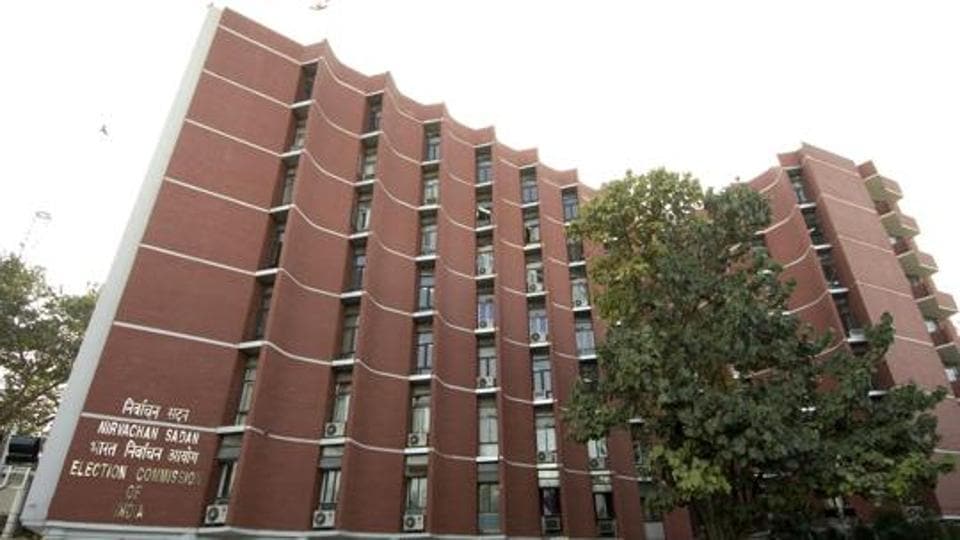
According to the affidavit, submitted by counsel Pradeep Rajagopal, the ECI is currently in consultation with intermediaries and civil society organisations such as the Internet and Mobile Association of India (IAMAI) and it may take some time to come up with a concrete mechanism or a code of conduct. It has also received representations from major players namely Facebook, YouTube and Google, states the affidavit.
The affidavit states the ECI is contemplating measures to ensure that intermediaries (social networking sites) don’t publish any political advertisements without pre-certification from the ECI and they will remove any un-certified data, information or advertisement already published on their respective platforms. “The social media shall also forthwith remove any other material, if so ordered to be removed by the ECI,” the affidavit filed in response to a public interest litigation filed by Sagar Suryavanshi, through advocate Sagar Kursija, said.
Suryawanshi had sought directions to the ECI to restrain social media from carrying any political advertisements 48 hours prior to voting, as specified under Section 126 of the Representation of Peoples (RP) Act, 1951. Section 126 prohibits any public meetings and processions in connection with the election or display for public any election matter during the 48 hours black-out period.
Expressing displeasure over the measures, Suryawanshi’s lawyer, Abhinav Chandrachud, pointed out that except Facebook, no other social networking site has assured the court that they will ensure that the political advertisement will be issued by a citizen of India. “It can’t be that somebody sitting in Russia, China or Pakistan posts political advertisements on controversial issues affecting India,” Chandrachud complained. He pointed out that Twitter and YouTube have clearly stated they will not check the nationality of individuals posting political or issue-based advertisements.
A lawyer representing Twitter, however, responded saying they will not accept any foreign payments for political advertisements published in India or concerning India. She said they will also try to be transparent and seek to know the source of funding for such advertisements.
Besides, Chandrachud also pointed out, that none of the social networking site operating in India was willing to observe the silence period of 48 hours.
Rajagopal said there was no legal provision empowering the ECI to impose restrictions on social media during the black-out period. He submitted that to deal with the issue effectively, the ECI has recommended certain amendments to section 126 in order to bring social networking sites within the purview of the restraint.
The court has now posted the PIL for further hearing next Friday.


