
 E-Paper



UP Shia Board reiterates support for temple at disputed Ayodhya site
The UP Shia Central Waqf Board (UPSCWB) on Monday reiterated it was in favour of construction of a Ram temple at the disputed site in Ayodhya and accused the counterpart Sunni Waqf Board of ‘usurping’ the Babri mosque.


The UP Shia Central Waqf Board (UPSCWB) on Monday reiterated it was in favour of construction of a Ram temple at the disputed site in Ayodhya and accused the counterpart Sunni Waqf Board of ‘usurping’ the Babri mosque.
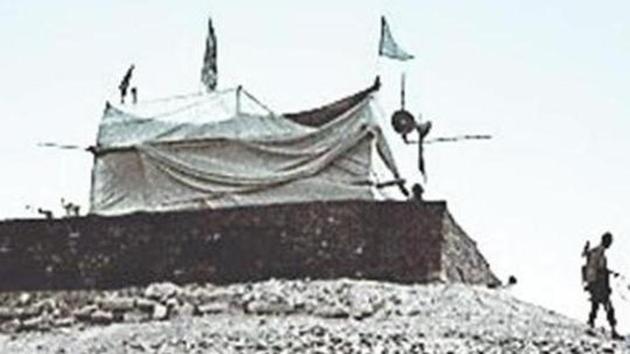
“The Sunni Waqf Board had wrongly issued a notification on February 2, 1944 declaring Babri Masjid as its property. Similarly, another property in Varanasi was also notified by the Sunni Waqf Board and the Supreme Court had termed the move as ‘doubtful’,” said Shia Board chairman Waseem Rizvi.
“We have decided to bring these facts in the ongoing title suit case on Ayodhya before the Supreme Court in the upcoming hearing and ensure the defeat of those opposing the construction of Ram Temple,” he said.
He said the Shia Board’s case would be argued by senior lawyers MC Dhingra and SP Singh. Rizvi’s claim, however, was brushed aside by the chairman of UP Sunni Central Waqf Board Zufar Ahmed Farooqui.
“The case to which he is referring was decided by the civil judge of Faizabad in 1946. The court had confirmed that though Mir Baqi was a Shia, the mosque was a Sunni Waqf property. I wonder why he has woken up more than seven decades later and raising this issue now,” he said.
Babri Masjid Action Committee convenor Zafaryab Jilani too dismissed Rizvi’s claim as baseless.
“The Allahabad high court, in its September 2010 judgment, has ruled that the disputed 2.77-acre land is to be divided equally among three parties, namely, Sunni Waqf Board, the Nirmohi Akhada and Ram Lalla,” he said, adding the affidavit submitted by Shia Board last year had no meaning now.
Rizvi later admitted that both Sunni and Shia Waqf Boards had filed suit number 29 before the Faizabad civil judge staking claim to the Masjid Mir Baqi, also known as Babri Masjid in 1945.
“We lost the case as our counsel was not fully conversant with the facts of the case. Before 1945, the mosque was looked after by Shia caretakers. Sunni custodians were appointed only after we lost the court case as proper facts were not forward by our counsel,” said Rizvi.
“The premise on which the civil judge based his verdict was ‘tarawih’ (extra prayers offered by Muslims during Ramzan). It was wrongly argued that Shias do not offer ‘tarawih’ and since this practice was going on in the mosque, it belonged to the Sunnis,” he said.


