
 E-Paper



Here’s looking at 13 coronavirus myths and facts


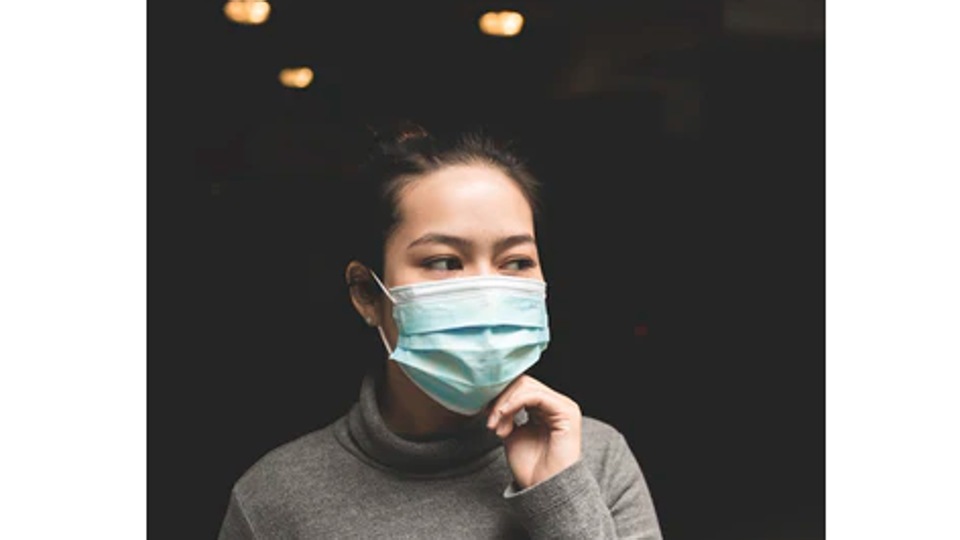
A number of myths surrounding the dreaded COVID-19 have taken the world by storm, with social media playing a major role in spreading both information and misinformation.
World Health Organization director-general Dr Tedros Adhanom Ghebreyesus has revealed that the world is in uncharted territory with the COVID-19 adding that the global community has never before seen a respiratory pathogen that is capable of community transmission.The threat of the dreaded coronavirus has reached India as well with the government confirming on March 2 that two people have tested positive. India now has five confirmed cases of the COVID-19.
A number of myths surrounding the dreaded COVID-19 have taken the world by storm, with social media playing a major role in spreading both information and misinformation.
Here’s looking at a few coronavirus myths and facts:
Pets
Unlike popular notions, there is no evidence that animals can be infected with the new coronavirus. However, it is a good hand hygiene practice to clean hands after spending time with pets.
Hand dryers
Hand dryers are not effective in eliminating the new coronavirus. Instead, one should frequently clean their hands using an alcohol-based hand rub or wash them with soap and water. Once they are clean, they should be dried using paper towels or warm air dryers.
Thermal scanners
Thermal scanners are effective in detecting patients with fever because of infection with new coronavirus. However, thermal scanners cannot detect people who are not yet sick. This is because symptoms appear between 2 and 10 days after people get infected.
Spraying alcohol or chlorine
Spraying them all over the body will not kill viruses that are already inside the body. Also, spraying these substances can prove harmful to clothes or eyes and mouth.
Ultraviolet disinfection lamp
Ultraviolet lamps should not be used to sterilize hands or other areas of the skin as UV radiation can lead to skin irritation.
Pneumonia vaccine
Pneumococcal vaccine and Haemophilus influenza type B (Hib) vaccine do not provide protection against the new coronavirus.
Rinsing nose with saline
There is no evidence that following the practice protects people from the new coronavirus. However, there is evidence that rinsing nose with saline helps people recover from common cold.
Garlic
There is no evidence that the healthy food, with a host of antimicrobial properties, protects against new coronavirus.
Sesame oil
Contrary to popular belief, sesame oil does not kill new coronavirus. Chemical disinfectants that have bleach/chlorine or solvents with 75% ethanol, peracetic acid and chloroform can kill the COVID-19.
Antibiotics
Antibiotics work only against bacteria and not viruses. The COVID-19 is a virus and therefore antibiotics cannot be used against it.
Vaccine to cure COVID-19
There is no vaccine for coronavirus. While scientists have started working on one, it is still to be created.
Face mask
Tight-fitting respirators like the N95 can protect health care workers, but the efficacy of disposable lightweight surgical masks are unclear. Some experts say it may offer protect against large drops, sprays and splashes, but it may allow tiny droplets from entering the nose, mouth and eyes.
Age
People of all ages can be infected by the COVID-19, but the elderly and those with pre-existing medical conditions seem to be more vulnerable to it.


