
 E-Paper



Coronavirus pandemic: Three distinct phases of Covid-19 identified
Scientists have described three distinct phases of Covid-19 disease progression in patients, urging medical professionals to consider an individualised treatment approach for patients based on their symptoms corresponding to these stages of infection.


Scientists have described three distinct phases of COVID-19 disease progression in patients, urging medical professionals to consider an individualised treatment approach for patients based on their symptoms corresponding to these stages of infection. According to the scientists, including those from the University of Florence in Italy, three distinct phases of COVID-19 infection, with variable degrees of symptoms have been observed in people who test positive for the deadly disease. The review research, published in the journal Physiological Reviews, noted that each of these phases is characterised by a different type of biological interaction with the virus.
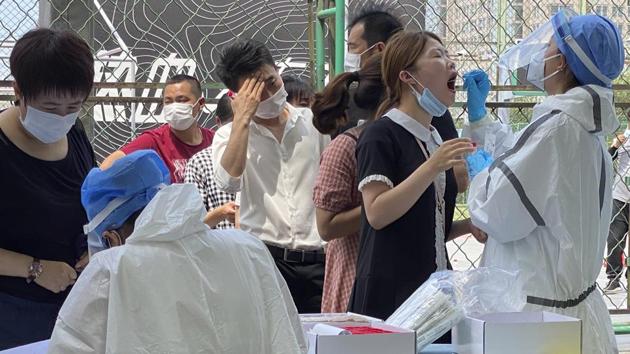
SARS-CoV-2, the novel coronavirus that causes COVID-19, is transmitted through droplets expelled from an infected person’s nose or mouth when they cough, sneeze or, in some cases, talk, the researchers said. During the early infection phase (Phase 1), they said the virus multiplies inside the body and is likely to cause mild symptoms that may be confused with a common cold or flu. The second phase, according to the scientists, is the pulmonary phase (Phase 2), when the immune system becomes strongly affected by infection, and leads to primarily respiratory symptoms such as persistent cough, shortness of breath, and low oxygen levels. Problems with blood clotting -- especially with the formation of blood clots -- may be predominant in Phase 2, the scientists noted in the study. The third, hyperinflammatory phase, occurs when a hyperactivated immune system may cause injury to the heart, kidneys, and other organs, they said. In this phase, the study noted that a “cytokine storm” -- where the body attacks its own tissues -- may occur. While there may be overlap among the three stages of disease, the scientists said it is crucial to recognise each stage in order to tailor personalised treatment to patients.
With many of the drugs used to treat people with COVID-19 still being investigated for safety and effectiveness, the researchers said these experimental treatments need to be evaluated based on the specific disease phase they are being prescribed for along with what is happening in the body as COVID-19 progresses.
In the review, the scientists suggested a personalised treatment plan with several medications and potential treatments.
They said in the early phase of infection, plasma containing antibodies from recovered COVID-19 patients have been found to reduce the amount of infectious viral particles in the body.
According to the study authors, antiviral drugs, including remdesivir, which have helped interrupt viral replication in Phase 1, may be beneficial in Phase 2.
They said tissue plasminogen activator (tPA) -- a drug used to treat stroke -- breaks up blood clots that may occur during Phase 2.
Inflammation-fighting medications like corticosteroids, tocilizumab and sarilumab may help reduce system-wide inflammation in Phases 2 and 3, the researchers said.
The anti-clotting drug heparin is important during any stage of the disease to prevent blood clots in blood vessels and capillaries, the scientists added.
However, they cautioned that there are no drugs proven to treat COVID-19.
“We are now entering a new era of the pandemic, with many ongoing randomised controlled trials aimed at identifying patient-tailored drugs, and drugs better suited to the specific phase of the disease with improved precision,” the scientists noted.
(This story has been published from a wire agency feed without modifications to the text. Only the headline has been changed.)


