
 E-Paper



Maratha protests: Dalits feel law is the real target
Marathas want Atrocity Act to go; Dalits say the legislation is what keeps them safe

 Prefer HTon Google


With the Maratha protests growing, there seems to be a growing sense of insecurity amongst Dalits, who fear the entire campaign is against them.
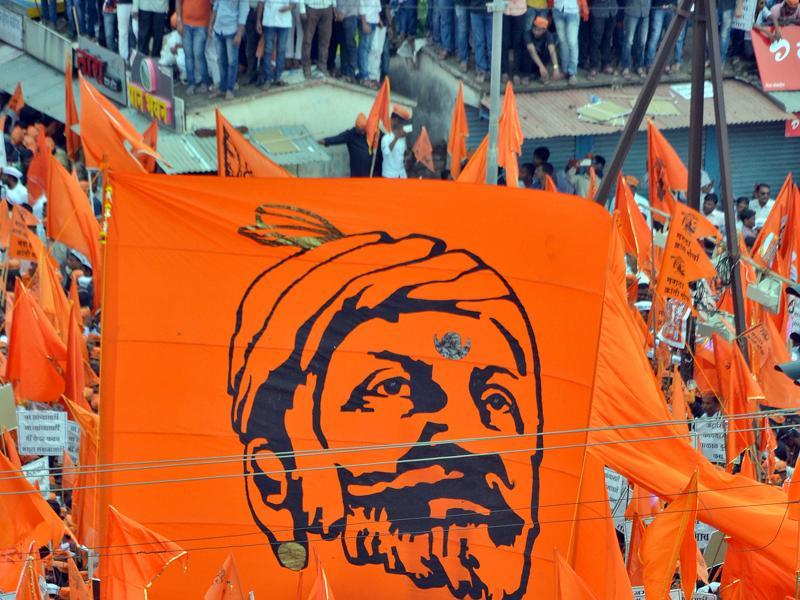
There has been overwhelming unanimity among community members that any tinkering of The SC and ST (Prevention Of Atrocities) Act, 1989 will only make Dalits vulnerable to attacks.
The residents of Ramabai Nagar, an area densely populated by Dalits, see an undercurrent against the community in the agitation.
Jayesh Salve, 25, who is a diploma engineer, said the online and WhatsApp campaign launched by Marathas is really turning ugly. “Ever since the agitation started, my Maratha friends said we are getting so many concessions in terms of fee waiver and reservations. They are getting vocal over the issue, and believe we [Dalits] are being pampered,” Salve said. This sentiment is echoed by Nitin Kadam, 23, a college student from Ramabai Nagar, who said the agitation has led to discomfort amongst the Dalits. “We have no issue with them [Marathas] getting reservation, but instead of focusing on the core issues, they are unnecessarily dragging us,” said Kadam.
Apart from reservation, the Maratha community wants to the atrocities act — framed by the Union Government in 1989 to help bring SCs and STs into the mainstream — repealed. The Marathas described the Act as a tool used by the Dalits to harass them and settle personal scores.
The Dalits have opposed any changes in the Act saying it provides a cushion for them. “Let them stop oppressing us, then we will ourselves demand a repeal. Any repeal will only embolden the upper castes and attacks will increase,” said Ramesh Kadam, a retired police constable living in the Naiguam BDD chawls. Prakash Ambedkar, grandson of Dr Babasaheb Ambedkar, who heads the Bharipa Bahujan Mahasangh, calls the agitation false propaganda spread by vested interests. “We are ready to debate on the misuse on any platform,” said Ambedkar.
Ever since the ill-fated Kopardi rape incident in July, where a minor girl belonging to the Maratha community was raped and brutally killed allegedly by Dalit boys, there has been a spate of protests by the Maratha community. The villagers even banned a visit by Dalit leaders, who were planning to visit the girl’s family. In the past one month, the protests have only intensified.
“Dalits, especially in rural areas, are feeling the heat and fear they will be targeted for any untoward incident. Their existence is at stake,” said political analyst Surendra Jondhale. Another expert Prakash Bal said the problem is weak leadership among Dalit leaders. “The Dalits are plagued by weak leadership, which has been dancing to the tune of Maratha rulers for decades. They are not providing a credible leadership required at this crucial moment,” said Bal.
A recent example exposed the confusion and disunity among Dalit leaders. While Union Minister Ramdas Athawale has been talking of counter morchas, his bête-noire Prakash Ambedkar pleaded for restraint saying this would only lead to strain in ties between the two communities. Athawale, under the pressure of the BJP, backtracked and announced a Maratha-Dalit convention to bridge the differences. Analysts, however, have described it as a stunt that will hardly make any difference.
Mainstream political parties have only made the situation worse as now they are seen siding with the Marathas. NCP chief Sharad Pawar and MNS chief Raj Thackeray, along with a section of Congress leaders have already asked for a review of the atrocities act. The ruling BJP shaken by the agitation announced that it would go out of the way to ensure reservation for the Maratha community.
However, Arun Waghmare, a retired personal who lives in BDD chawl, said it was an ironical demand. “The Marathas have ruled the state from its inception and they control the entire economy right from cooperative banks to sugar mills and educational institutions. “Why don’t these Maratha elite really take care of their poor counterparts instead of demanding reservation,” said Waghmare.


