Had Aurangabad’s Gangapur tehsil received its average rainfall of 554.70mm, 62-year-old Balasaheb Chavan, a former sarpanch of the Wadali village in the area, would have been a content farmer.
With a kharif yield of cotton planted over four acres and sugarcane planted across five, Chavan would have had enough to take care of his large family — his wife and three married sons.
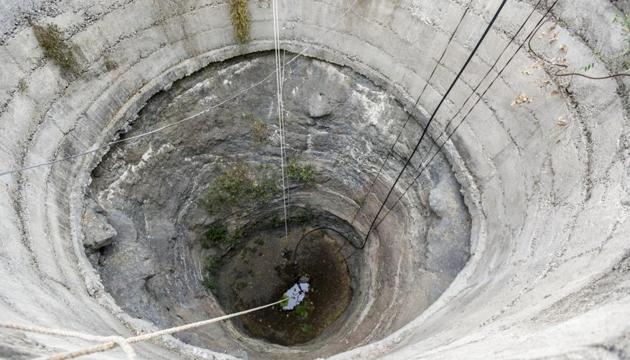
Instead, the rain gods played truant again, and Chavan ended up with a burnt sugarcane crop and just a fourth of his average yield from cotton. Drinking water is scarce, villagers are dependent on water tankers and income prospects for the year ahead are bleak.
As a result, Chavan’s sons have left the village to look for work in the nearby Aurangabad city.
Chavan’s is not the only farmer’s family being forced to migrate. Nearly 50% of the Wadali village had emptied out when HT visited it this week, and rural experts warned that by the summer of 2019, this steady trickle of migration could turn into an exodus.
“ Two of my sons are making do as daily wage labourers in Aurangabad. Another son and his wife have taken up a contract as sugar cane cutters for six months at a factory in Western Maharashtra,” Chavan said. “No one in my family had ever been forced to take up a cane cutter’s job,’’ he said.
This year, Chavan’s home tehsil of Gangapur got just 296.78mm of rain, a deficit of 46.50%. It is one of the 47 tehsils among Marathwada’s 76 that the state has identified as drought-hit.This is the third such drought to hit Marathwada in the past five years. Overall, more than half of Maharashtra – 180 of its 355 tehsils — is reeling under drought this year. In the neighbouring Bolthan village, Musa Pathan’s two sons and their wives left home last week to hunt for work in the Chikhaltana industrial area. “My grandchildren have stayed back. We will survive on government ration, but our challenge is to ensure we get our share of tanker water for drinking. It can be a struggle,” said Pathan, a cotton farmer.
{{/usCountry}}This year, Chavan’s home tehsil of Gangapur got just 296.78mm of rain, a deficit of 46.50%. It is one of the 47 tehsils among Marathwada’s 76 that the state has identified as drought-hit.This is the third such drought to hit Marathwada in the past five years. Overall, more than half of Maharashtra – 180 of its 355 tehsils — is reeling under drought this year. In the neighbouring Bolthan village, Musa Pathan’s two sons and their wives left home last week to hunt for work in the Chikhaltana industrial area. “My grandchildren have stayed back. We will survive on government ration, but our challenge is to ensure we get our share of tanker water for drinking. It can be a struggle,” said Pathan, a cotton farmer.
{{/usCountry}}Amol Tipale, the sarpanch of the Hirapur village in the Beed district said about 50% of his village’s working population had moved to Pune and Aurangabad.
Across the villages in Aurangabad and Beed district that HT visited, the story is the same. Farmers and farm hands have left to work at construction sites in Pune, and many have listed, for the first time, as sugarcane cutters. This is apart from those who regularly list themselves as sugarcane cutters in the region.
“This is largely a water scarcity induced migration, and it is evident in the Aurangabad city today,” said economist, professor HM Desarda, who is from the region. By next summer, we will see Marathwada’s displaced population at railway station platforms in Thane, and in Mumbai’s slums. The situation is grim.”
“We have a traditional sugar cane migrant labour force in Marathwada. So, far we have not yet received official reports of migration beyond this but our attempt will be to ensure that displacement is curbed,” said Purushottam Bhapkar, the divisional commissioner of Aurangabad who overlooking all eight districts in the region. He added that he will be holding meetings from next week to initiate employement guarantee scheme works at the village level.
Stay updated with all the Breaking News and Latest News from Mumbai. Click here for comprehensive coverage of top Cities including Bengaluru, Delhi, Hyderabad, and more across India along with Stay informed on the latest happenings in World News.
Stay updated with all the Breaking News and Latest News from Mumbai. Click here for comprehensive coverage of top Cities including Bengaluru, Delhi, Hyderabad, and more across India along with Stay informed on the latest happenings in World News.