
 E-Paper



Adolescence in the age of incel culture
In its simplest form, Adolescence shows us what is evident in plain sight. The kids are not all right

 Prefer HTon Google


They are talking about it on social media. Discussing it in British parliament where Prime Minister Keir Starmer says he supports a campaign for it to be shown in schools. Gripping, perfect, raw are just some of the adjectives being showered by critics. And since its release on March 13, Netflix’s Adolescence has already claimed top slot in 71 countries.
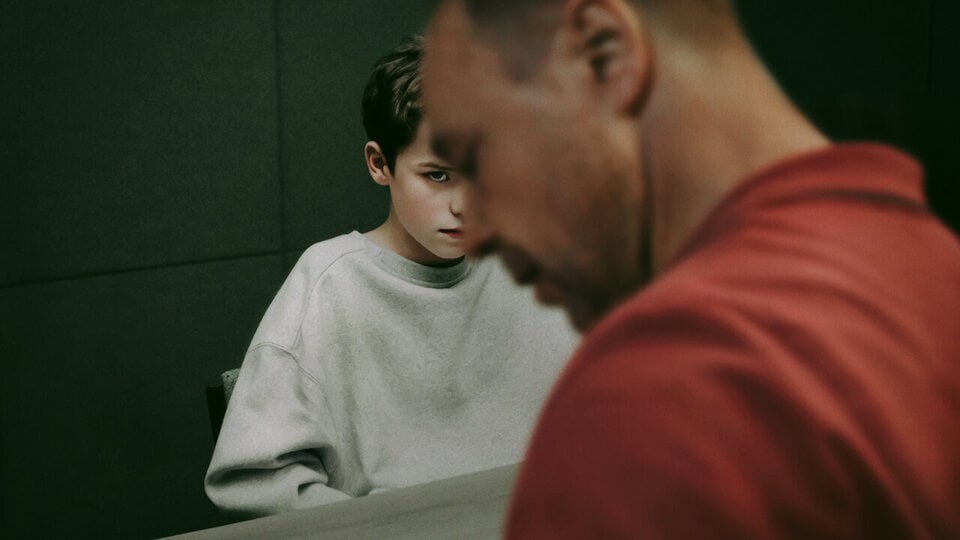
The spoiler alert is that there is no spoiler alert. This is, in the words of co-scriptwriter and co-creator Jack Thorne, a “why-done-it, rather than a whodunit”. It’s the why that serves as a cautionary tale; it’s the why that will break any parent’s heart; it’s the why that makes it such essential watching for our times.
A 13-year-old boy is accused of murdering his female classmate. That is established in the first few minutes. You look at the scared face of child actor Owen Cooper, a child who wets his pyjamas in fright, and share the disbelief of his parents.
Surely there is some mistake.
Four carefully constructed episodes then peel back the ‘why’, with each exploring the social structures designed to keep children safe: Law enforcement, schools, remand homes, and, finally, the family itself.
On the surface, the systems work. The police are mindful of due process, gentle in the treatment of this boy accused of a heinous crime. The teachers struggle to find order in schools where pupils are latched onto their smartphones. The psychologist is empathetic enough to get the boy a hot chocolate (remembering to add marshmallows on the top).
And the parents? Fine people who, like parents all over the world, want a better life for their kids: A computer, gifted by the dad (played by co-creator Stephen Graham) who wants good things for his son.
What can be safer than a boy in his own home? But that same computer opens up a world of monsters like “that fella that popped up on my phone, going on about how to treat women, how men should be men,” says the dad.
It’s no accident that Adolescence comes at a time when incel culture infects the world. It’s a world where a self-proclaimed misogynist like Andrew Tate (10 million followers on X, where he was once banned for saying women are responsible for being sexually assaulted) is radicalising boys by teaching them his toxic brand of masculinity and what it means to be male.
This is a world of hypermasculine leaders rewriting the old global rules. A world of strife, polarisation and hate, where women from Afghanistan to the US are watching their rights being snatched away by a backlash of patriarchy.
The village it takes to raise a child is clueless. The smartphone has changed the landscape and we no longer speak the language. There’s a difference between a yellow heart emoji and a pink one? Who would have guessed?
Yet, the beauty about Adolescence is how it has the space for multiple interpretations. Revenge porn? It’s there. A call to switch off devices and reconnect as humans. It’s there. Peer pressure. Certainly. A modern morality tale on the growing manosphere and the cost it extracts on families and society? Present. Intergenerational trauma and fathers and sons. Also there. Or you could just marvel upon the perfection of its script and technical brilliance of shooting each episode in a single uninterrupted take.
Stephen Graham and Jack Thorne have said they wanted a show that causes discussion and makes change.
In its simplest form Adolescence shows us what is evident in plain sight. The kids are not alright. Now what are we going to do about it?
Namita Bhandare writes on gender. The views expressed are personal


