The ongoing farm protests have raised a host of issues that affect the sector, beyond the laws which are being sought to be rolled back. One issue which deserves sharper focus is the largely unseen role of women in the farm sector. They are involved in mostly non-mechanised, labour-intensive farm work, and much of its poorly paid, if at all. In India, according to a National Council of Applied Economic Research and University of Maryland study, women form at least 42% of the agricultural workforce though they own barely 2% of the cultivable land.
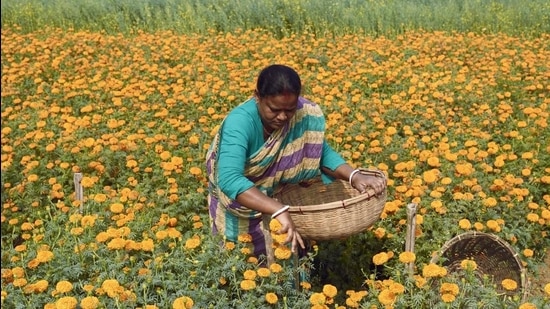
This is because they are excluded from land rights in a largely patriarchal social milieu. Many women farmers are not even aware of the entitlements they can get from the government as farmers. Owing to their lack of collateral, they cannot access credit or navigate choppy bureaucratic waters to get support for the right inputs for their crops.
There has to be gender-neutral institutional reform in agriculture for women to get their due. In most rural areas, men still dominate administrative processes which tend to work against women farmers. When a male farmer dies, the lack of access to land records, the aversion to take on powerful male family members, and the lack of awareness combine to exclude women from their right to land and livelihood.
Women have been part of the agrarian crisis for a long time, though largely overlooked. Women farmers need access to all aspects of the sector from technical training and pricing to marketing and finances. This becomes all the more urgent given the unacceptably high numbers of farm widows, left behind after their husbands have died by suicide. This leaves the woman to not only tend to the farm, if she is allowed to by moneylenders and predatory family members, but to also provide for her family with very little by way of resources. Since women’s work in agriculture is underreported, many are not even considered farmers so as to be entitled to the benefits that the State provides. The plight of tribal and Dalit women farmers is even more worrying.
{{/usCountry}}Women have been part of the agrarian crisis for a long time, though largely overlooked. Women farmers need access to all aspects of the sector from technical training and pricing to marketing and finances. This becomes all the more urgent given the unacceptably high numbers of farm widows, left behind after their husbands have died by suicide. This leaves the woman to not only tend to the farm, if she is allowed to by moneylenders and predatory family members, but to also provide for her family with very little by way of resources. Since women’s work in agriculture is underreported, many are not even considered farmers so as to be entitled to the benefits that the State provides. The plight of tribal and Dalit women farmers is even more worrying.
{{/usCountry}}The pandemic has left women farmers even more economically vulnerable, and added the burden of caring for out-of-school children and the sick and elderly. Covid-19 has also decreased remittances to women farmers left at home. With more migrants coming home, there is also greater demand on the land, putting the tenuous hold of women on land in greater jeopardy.
But there can be several positive interventions to help women farmers and the pandemic and its aftermath should be an opportunity to address the gender empowerment aspect of farming. Using the grassroots worker system, women can be provided inputs and encouraged to invest in the right tools to enhance productivity. They can be taught the value of nutritious crops for household consumption and sustainable and lucrative crops for sale. Mobile technology can be used to train women on appropriate agricultural practices as well as their rights and entitlements. They can also be encouraged to innovate in the form of farm-related businesses. Investing in women farmers helps in ensuring food security for their families and the community at a time when there is a crisis brought on by the pandemic.The farm agitation ought to highlight the importance of empowering our largely invisible women farmers.
The views expressed are personal