In 1965, India witnessed the first significant technological infusion into agriculture with the Green Revolution led by MS Swaminathan and Norman Borlaug, who introduced high-yielding varieties, biotic and abiotic stress-tolerant wheat and rice varieties. The impact was phenomenal, especially for a country that was a net importer of food since Independence. Agricultural output rose three times, propelling farmers’ income and exports, and reducing poverty and imports.
The demand for agricultural productivity has only increased since then, leading to a renewed
In 1965, India witnessed the first significant technological infusion into agriculture with the Green Revolution led by MS Swaminathan and Norman Borlaug, who introduced high-yielding varieties, biotic and abiotic stress-tolerant wheat and rice varieties. The impact was phenomenal, especially for a country that was a net importer of food since Independence. Agricultural output rose three times, propelling farmers’ income and exports, and reducing poverty and imports.
The demand for agricultural productivity has only increased since then, leading to a renewed demand for new technologies and their deployment. Today, India is the largest rice exporter after China. We have a foodgrain buffer stock of rice and wheat of nearly 50 million metric tonnes (MT). The government set the foodgrain production target at 328 MT for the 2022-23 crop year (July-June). Science-led innovation and technological advancement are the only ways to achieve this goal.
Several technologies — genomic marker-assisted breeding, genetic engineering, and genome editing — have made an impact on a global scale. In addition, they have shown promise in increasing yields, developing biotic and abiotic stress resistance, and maintaining nutritional quality and climate resilience. To date, 71 countries have adopted genetically modified (GM) crops, 29 countries have grown nearly 200 million hectares of GM crops, 24 developing countries are growing about 56% of the GM crop area, and the remaining 44% is covered by five industrial countries.
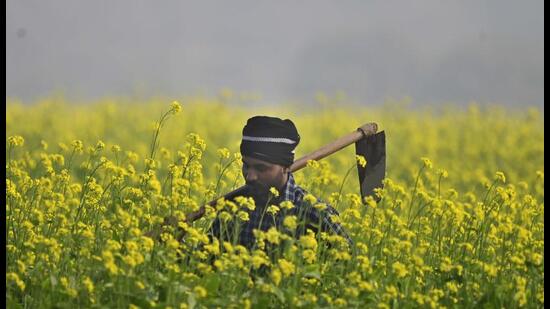
This is why the decision of the Genetic Engineering Appraisal Committee (October 25), allowing the environmental release (larger field trials) of transgenic hybrid mustard’s (DMH-11) was long awaited. This significant decision will go a long way in improving crop yields and nutritional quality, especially against India meeting nearly 55-60% of its edible oil demand through imports. GM mustard hybrids are our best bet to meet this increasing domestic demand.
After more than three decades of research, GM mustard — developed by Deepak Pental’s team at Delhi University — is the first food crop approved for environmental release. The only other GM crop approved for cultivation is BT cotton, which was cleared in 2002 and covers nearly 80% of the cotton-growing areas. Studies indicate GM cotton reduced chemical insecticides’ use by 37%, increased crop yields by 22%, and increased farmer profits by 68% in India.
GM mustard lines and the first hybrid DMH-11 have undergone stringent biosafety tests. DMH-11 demonstrated the potential to increase the per hectare yield by 25-30% over traditional varieties. In field trials conducted during the biosafety testing, hybrid DMH-11 yielded 28% more than the mega mustard variety Varuna and 37% more than the zonal check varieties. Mustard is a self-pollinating plant, and this technology allows the development of a robust hybridisation system for making improved hybrids available to farmers.
GM mustard contains three transgenes — bar (a marker gene that confers resistance to herbicide Basta), barnase (causes male sterility-MS), and barstar (leads to fertility restoration-RF) — which have been isolated from a soil bacterium Bacillus amyloliquefaciens. These three genes were used first in rapeseed, a sister crop of mustard, for hybrid seed production. The MS and RF lines and their hybrids in rapeseed were released and have been grown in Canada since 1996, the United States since 2002, and Australia since 2007. With a versatile MS-RF system available, more productive hybrids and hybrids with better oil and meal qualities will follow.
Biosafety guidelines released in March 2022 for the safety assessment of genome-edited crop plants were a significant positive indication of the emphasis on new technological advancements for meeting our food and nutritional security demands. Genome-editing technology is a powerful tool for developing improved crops. Introducing genome-editing tools into modern breeding programmes will facilitate rapid and precise crop improvement. The agriculturally essential traits in crops follow qualitative and quantitative (multigene) inheritance. Genome editing can target qualitative traits of biotic and abiotic stress resistance and nutritional improvement in widely cultivated crops. In addition, it can be deployed to manipulate complex traits, enhance seed yield, and improve nutrient uptake.
This technology boost to agriculture will benefit farmers. It is important that agricultural scientists, breeders and farmers utilise these innovations to meet the food and nutritional security and the sustainable development goals of zero hunger and no poverty.
Renu Swarup is former secretary, department of biotechnology, ministry of science and technology The views expressed are personal
One Subscription.
Get 360° coverage—from daily headlines
to 100 year archives.
Archives
HT App & Website