
 E-Paper


Humans as a resource and the nature of work in the AI age
Efforts have been underway since the industrial age, through the current era of capitalism to turn human labour into a product. Now, we seem to be at its peak

 Prefer HTon Google


The Indian markets’ sluggishness evaporated the moment Donald Trump’s Republican Party was decimated in the midterm elections. This underscores the fact that the US polls have positively impacted global politics, which, in turn, has offered hope. But a key question remains: If the world is so interconnected, what will it look like in the years ahead?
Elon Musk has claimed that the day isn’t far when the present, as we know it, will be completely transformed. AI will do almost all the work humans currently do. Musk isn’t alone in his belief; many experts echo his views. Detractors consider it a distant dream. But, do ponder over it. The fact is that some experts believe this will ultimately happen. AI has already started altering our way of life. No one knows what this shift holds.
If we try and peek into Musk’s world, what will we discover? Imagine not having to work for a living. You are living with your family in a place you love. You have all the time in the world, something you have always craved. It may be one of the most creative times of your life. Timeless classics, poetry, philosophy, and critiques were written when humans didn’t turn into machines. Efforts have been underway since the industrial age, through the current era of capitalism to turn human labour into a product. Right now, we seem to be at its peak.
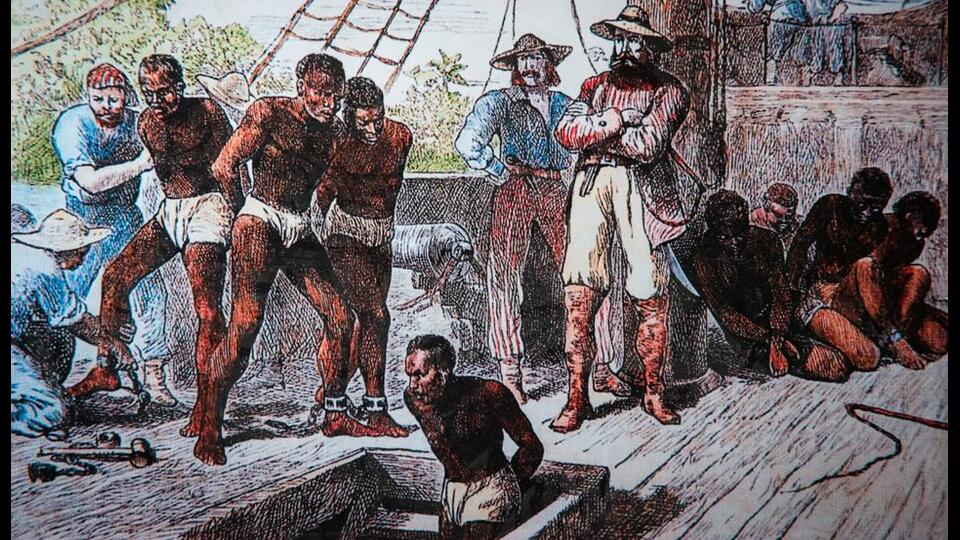
When were humans not a resource, really? Treating humans as a resource sounds respectable when compared to ancient civilisations. Look at ancient Greece, Egypt, and Rome: Their soldiers travelled far and wide, launched conquests, and brought back children from distant lands, snatched from their families. These children were then made slaves, to be used as machines-on-command. They had no human rights. They had to serve their so-called masters all their lives. This prevailed for centuries. After sea routes were discovered and navies were set up, galley slaves were employed to row huge ships. These slaves were tied to their posts for hours. The galley commanders would decide how fast and far these slaves had to row the ship. Guards with whips were always present to punish failure to comply.
Indians, too, became victims of slavery. The British took thousands of men and women from the northern states for plantation work in Mauritius, Fiji, and Guyana. From South India, a large number of people were taken to Malaysia, Singapore and other South East Asian colonies. They laid the railway lines and did farm work in these countries. Slavery was supposed to have ended in 19th century, but we can see the changing face of this abomination even today. During World War I, the British took on the Germans in the Egyptian war theatre. The Germans had created large sand barricades, and snipers would fire from behind the cover. Any opponent soldier who tried to move forward would be shot and killed instantly. The British forced their Indian and Nepali army recruits to run towards the sand mounds armed with only bayonets, khukris, and swords. They kept dying, but were never ordered to retreat or halt. They ultimately breached the German defences, armed with only swords, bayonets and khukris. However, several thousands of these soldiers died before the defences were breached.
Similar incidents were reported during World War II. That’s the reason I find the journey from slavery to treatment of humans as a resource quite fascinating. Today, the critics of capitalism present many arguments against it. However, it’s true that since 1991, despite pandemics and wars, the number of people who have been lifted out of poverty is extraordinary. But times are changing. Earlier, we said that necessity is the mother of invention. Now inventions themselves are altering needs. Just think: When AI reaches its zenith, will humans not turn towards their own ingenuity and creativity?
Aristotle described the eudaimonia principle — a constant state of being your best self — as realised not through comfort but as the highest human good, an end in itself. When a human lives an active life rooted in reason, that’s eudaimonia. In Indian traditions we find a slightly different but similar thought: The pursuit of dharma (duty), artha (effort, enterprise and wealth), kama (desire), and moksha (liberation) works on the same principle. We consider relinquishing everything for the society and seek liberation as the ultimate goal of our lives.
Kabir said it in a language understood by all: Daas Kabir jatan se odhi, jas ki tas dhar dini chadariya (Kabir wrapped the shawl impeccably, with effort, and folded it back as it is).
Is the future utopian? Our apprehensions outweigh euphoria. But in the Diwali week, meditating before God, let’s think only of blessings.
Shashi Shekhar is editor-in-chief, Hindustan. The views expressed are personal


