
 E-Paper



Policies and People | Controlling stray dog population: Vadodara shows the way
India has the largest number of strays worldwide, thanks to a lack of sustained and well-executed sterilisation programmes. A project in Vadodara shows a way to control the population in a humane and legal manner. Other cities must take note

 Prefer HTon Google


Vadodara is the third largest city in Gujarat and a bustling commercial centre. But, like many other cities in this fast-urbanising country, Vadodara, the nodal centre of the state's coastal plan, also faces a problem of an ever-increasing number of stray dogs.
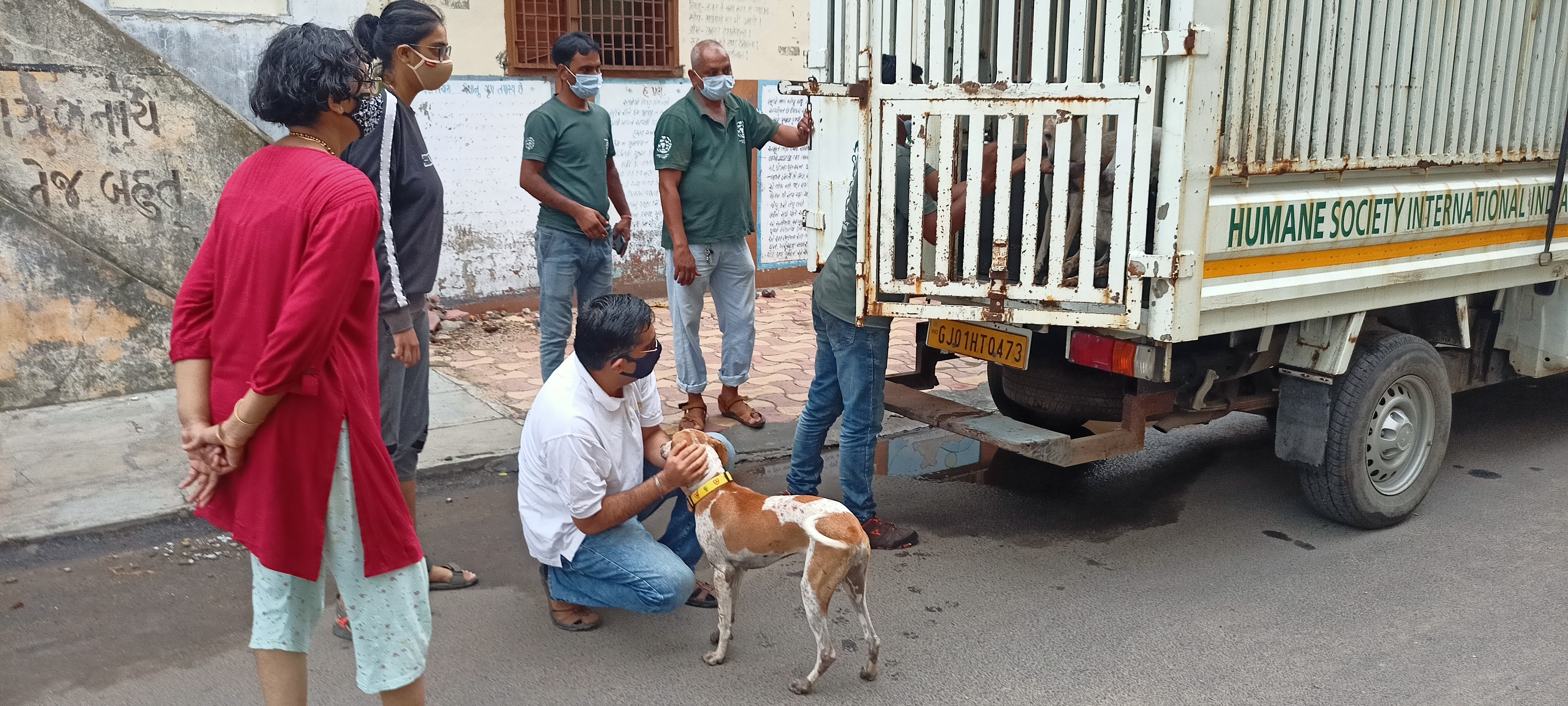
Instead of losing the plot, which most city administrations and civic bodies seem to be doing these days, Vadodara's authorities, along with the Humane Society International/India (HSI), a non-governmental organisation (NGO) that works around the globe to promote the human-animal bond and confront cruelty in all its forms, tackled the issue successfully in a humane and legal way. Other cities will do well to emulate the Vadodara plan.
It is important to recount the well-executed Vadodara plan because this country's urban man-animal "conflict" is getting bigger by the day. Flip through this week's newspapers, and you will get a fair idea. The situation in Kerala is so grave that on Tuesday, the state government asked for the Supreme Court's nod to kill "violent" stray dogs after a spike in dog bite cases.
While India's laws safeguard stray dogs (they do not allow moving them from their areas and killing them) and provide a protective shield for those who care for stray dogs, fights between dog feeders/who take care of stray/community dogs and those against such practices are a daily occurrence across India.
While estimates vary, some studies cite a population of more than 75 million dogs in the country, including both pet and street dogs, says a report in The Citizen. The country accounts for approximately 20,000 rabies-related human deaths each year out of the 59,000 global deaths.
The ABC Story
The only humane and legal way to control the stray dog population is to undertake proper and regular sterilisation drives. Unfortunately, most civic authorities do not give it due importance. The focus of the animal husbandry department is on large animals that are economically important. Organising and executing sterilisation programmes falls under the urban development department, which may not have the right staff and administrative focus to implement them.
"At least 80% of the dogs of an area must be sterilised to reduce the population over time. But the sterilisation process in the country is haphazard, faces huge human and financial resource crunch and has failed to involve the community. This has led to the failure of the sterilisation drives and a consequent rise in dog population and cases of human-animal conflict," Dr Piyush Patel, senior programme manager, HSI, explained to me during a telephonic interview.
The Animal Birth Control (ABC) programme, the only humane way to control the canine population, began in Vadodara in 2017 in collaboration with the Vadodara Municipal Corporation (VMC). With support from VMC, 23,696 dogs (86%) have been sterilised to date, claim HSI.
India's animal birth control rules are being revised. The draft rules have provisions for setting up a monitoring committee to control the excess population of stray dogs and resolve complaints about dog bites or rabid dogs. How
How Vadodara did it
Infrastructure: "We had to work in a less-than-ideal facility, navigate complex relationships with the municipal corporation and with other animal welfare organisations, managing community complaints pertaining to dogs, managing community conflicts, and securing community buy-in," recounts Dr Patel.
"For conducting any dog sterilisation programmes, securing adequate land and a suitable building is a must. The VMC initially offered disused cattle shed for the work. However, with creativity and determination, the site was converted into a fully functional facility to conduct surgeries, equipped with an operation theatre, kennel area for post-operative dog care, dedicated space for anaesthesia and patient preparation, and a dog holding area."
Census: To plan an effective dog population management programme, baseline data is necessary. The NGO conducts dog population census surveys to get a baseline to accurately assess the population in given areas. Then, once the sterilisation drive begins, the team conducts monitoring surveys twice a year to track progress and impact.
Complaint management: The HIS-VMC team set up a community helpline to handle complaints and enquiries about sterilisation activities, general dog behaviour, bites, chasing and relocation requests.
Community engagement: HSI/India launched the Abhay Sankalp campaign to educate and engage communities in Vadodara for the peaceful resolution of issues relating to street dogs. Even during Covid-19, the outreach continued. Webinars for 5,000 community caretakers and other stakeholders on canine nutrition and caring for dogs during summer months, rabies and conflict management were done. "Engagement and transparency with the community furthered a sense of accountability towards street animals who were now also being considered community animals," said Dr Patel.
Innovation is the key: Dog sterilisation programmes often fail because organisations that pick up dogs don't return them to their original location, and people who take care of strays refuse to help the next time such drives happen. To tackle this problem, HSI launched a mobile app that keeps track of the dog from when it is picked up to when it is brought back after the operation to its original location.
What happens next?
For any programme to be sustainable, the ownership should be local.
"Vadodara has developed a strong local capacity thanks to a progressive VMC. It is also home to more than 200 volunteers and community caretakers who've been a part of the Abhay Sankalp initiative. Now they constitute the first line of care for street dogs in the city," says Dr Patel.
Other Indian cities must learn from the Vadodara model. Only when we build such humane and sustainable programmes can we ensure a better life for the people and the animals.
The views expressed are personal


