In September 2015, leaders of 193 nations converged at the United Nations (UN) HQ in New York to sign the ambitious Sustainable Development Goals (SDGs), a collection of 17 interlinked global targets to achieve a better and sustainable future for all by 2030. A month before the governments signed the SDG document, I was at the UN HQ to meet officials involved in making the report. The mood was tense but upbeat as they and country representatives spent hours chiselling
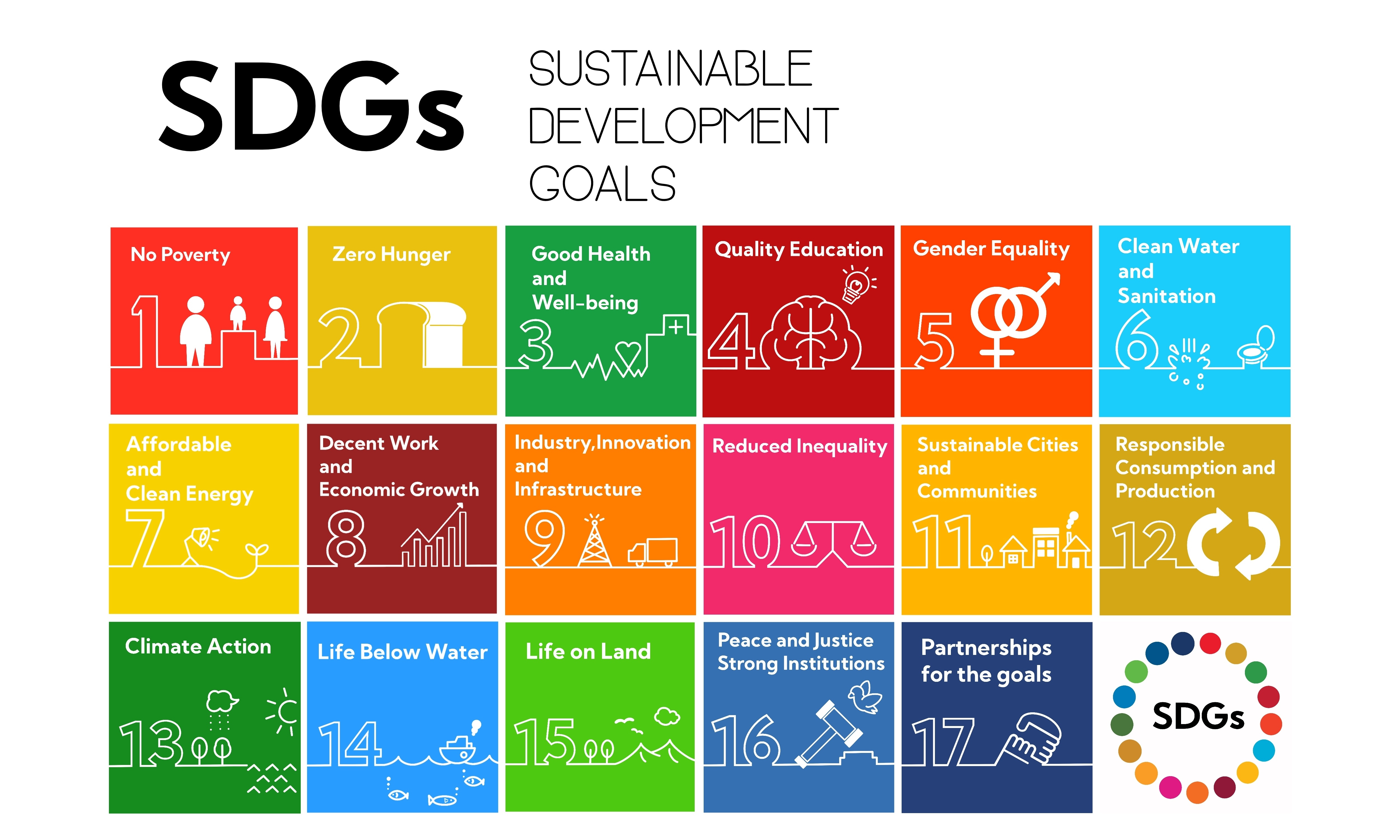
In September 2015, leaders of 193 nations converged at the United Nations (UN) HQ in New York to sign the ambitious Sustainable Development Goals (SDGs), a collection of 17 interlinked global targets to achieve a better and sustainable future for all by 2030. A month before the governments signed the SDG document, I was at the UN HQ to meet officials involved in making the report. The mood was tense but upbeat as they and country representatives spent hours chiselling the final document.
Much water has flown down the East River and Hudson since then.
Today, the world is at the midway point of a 14-year-long effort to achieve the transformative 2030 Agenda. And the news is not very encouraging. But unfortunately, there has not been much media attention/reportage on a recently released midway assessment of the progress of SDGs by the UN.
The opening paragraphs of The Sustainable Development Goals Report 2022 paint a particularly sobering picture: “As the world faces cascading and interlinked global crises and conflicts, the aspirations set out in the 2030 Agenda for Sustainable Development are in jeopardy. With the COVID-19 pandemic in its third year, the war in Ukraine is exacerbating food, energy, humanitarian, and refugee crises – all against the background of a full-fledged climate emergency”.
Using the latest available data and estimates, the report details the reversal of years of progress in eradicating poverty and hunger, improving health and education, providing basic services, and much more. In addition, the report highlights areas that need urgent action to rescue the SDGs and deliver meaningful progress for people and the planet by 2030.
Climate Change: Crisis Multiplier
The report calls the climate crisis a “crisis multiplier”.
Without mincing words, the report says that the immediacy of the Covid-19 crisis is overshadowed by the existential threat of the climate crisis. Increased heatwaves, droughts, apocalyptic wildfires, and floods are already affecting billions of people around the globe and causing potentially irreversible damage to the Earth’s ecosystems. For example, continuing ocean acidification and rising water temperatures endanger marine species, including coral reefs, which are the “rainforests of the sea” for the biodiversity they support.
To avoid the worst effects of the climate crisis, as set out in the Paris Agreement, global greenhouse gas emissions will need to peak before 2025 and decline by 43% by 2030, falling to net-zero by 2050. Instead, it says that under current voluntary national commitments to climate action, greenhouse gas emissions will rise by 14% by 2030.
With the back-to-back crisis, competing priorities, and limited fiscal headroom, the report warns that women, children, and other vulnerable populations are enduring most of the problems. Child labour and child marriage are on the rise. Around 40% of people forcibly displaced worldwide are children, many of whom have suffered immeasurable damage and disruption to their lives and development due to conflict.
Destruction of natural resources
The report also points out that the destruction of natural resources is also delaying the achievement of SDGs.
Take, for example, Goal 6: Clean water and sanitation.
As the pandemic drags on, it has become increasingly clear that safely managed drinking water, sanitation, and hygiene services are vital to human health. But unless progress picks up speed – dramatically – billions of people will still lack these essential services in 2030, warns the reports. In addition, decades of misuse, poor management, and the over-extraction and contamination of freshwater and groundwater supplies have exacerbated water stress and deteriorated water-related ecosystems. This, in turn, affects human health, economic activities, and food and energy supplies.
This challenge is compounded by the fact that the world’s wetlands are being lost at an alarming rate. The unsustainable use and improper management of wetlands result in the loss of ecosystem services and can pose direct risks, including disease. Moreover, the degradation of wetlands releases stored carbon, fuelling the climate crisis. Over the past 300 years, over 85% of the planet’s wetlands have been lost, mainly through drainage and land conversion, with many remaining wetland areas degraded.
Other water-related ecosystems across the planet – such as lakes, rivers, and reservoirs – are also changing rapidly. For example, one in five river basins have experienced high (ie, above natural) fluctuations in surface water over the past five years. Population growth, changes to land cover and land use, and climate change are key drivers of these changes. The report adds that urgent efforts must be made to protect them and prevent further degradation of these precious biological habitats.
Goal 14: Life Below Water
Human activity is endangering the planet’s largest ecosystem – its oceans and seas – and affecting the livelihoods of billions of people. Continuing ocean acidification and rising ocean temperatures are threatening marine species and negatively affecting marine ecosystem services. Between 2009 and 2018, for example, the world lost about 14% of coral reefs, often called the “rainforests of the sea,” because of the extraordinary biodiversity they support.
In addition, there seems to be an unstoppable flow of litter, waste, and run-off into the ocean. In 2021, a study estimated that more than 17 million metric tons of plastic entered the world’s ocean, making up the bulk ($85) of marine litter. The volume of plastic pollution entering the ocean each year could double or triple by 2040, threatening all marine life. For coastal areas, eutrophication caused by nutrient pollution shows an increasing trend from 2016 to the present. This has resulted in a growing number of “dead zones” worldwide – from 400 in 2008 to around 700 in 2019.
This will impact the lives and livelihoods of coastal communities that depend on marine resources. Almost half a billion people depend at least partially on small-scale fisheries, which account for 90% of employment in fisheries worldwide. However, almost all small-scale fishers (97%) live in developing countries, and many face high levels of poverty and lack broader social and economic development opportunities.
Walk the Talk
The Sustainable Development Report 2022 presents data from over 200 countries and areas worldwide. While this year’s report demonstrates the dire impacts of the current crises on the 17 Goals, it also indicates that realising the SDGs is the remedy to address the global challenges.
To achieve SDGs, world governments must focus on urgent transformative action and evidence-based approaches on a global scale.
The views expressed are personal
One Subscription.
Get 360° coverage—from daily headlines
to 100 year archives.
Archives
HT App & Website