The Bilkis Bano case has generated outrage and disgust, bringing back to public memory similar outrages in the past, notably the horrific Delhi gang rape in 2012, in which the victim lost her life. But little is remembered today of one case that made headlines in 1992, of the indomitable Bhanwari Devi, a saathin (nurse) with the women’s development programme in Rajasthan who was gang raped in September of that year. Her crime was to try and prevent a child
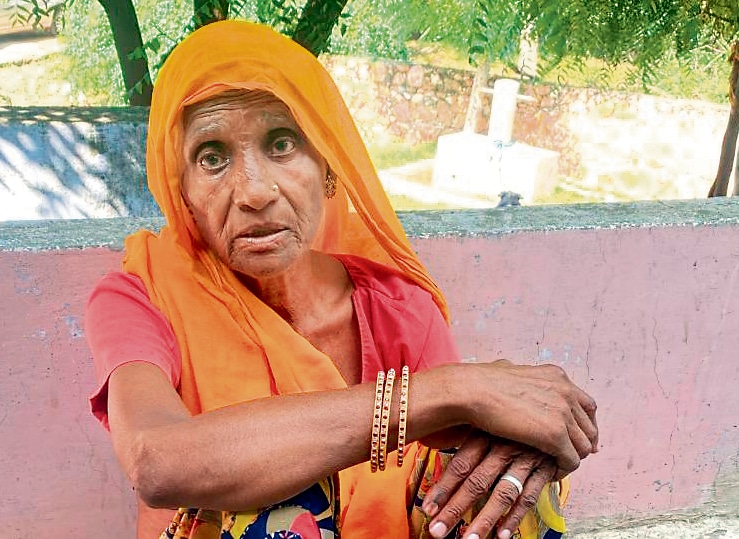
The Bilkis Bano case has generated outrage and disgust, bringing back to public memory similar outrages in the past, notably the horrific Delhi gang rape in 2012, in which the victim lost her life. But little is remembered today of one case that made headlines in 1992, of the indomitable Bhanwari Devi, a saathin (nurse) with the women’s development programme in Rajasthan who was gang raped in September of that year. Her crime was to try and prevent a child marriage in her village.
Her story is remarkable in that she has fought for justice for 30 years now, with incredible tenacity for a woman from Bhateri village in Jaipur district, a member of the only potter community household in a village dominated by upper castes.
Her rape was a brutal exercise in teaching her a lesson for daring to challenge social norms and the diktats of the powerful. There were ridiculous excuses proffered in the sessions court for why her case did not hold water, among them that the men were from different castes and thus would not function in a group, that two of the accused were over 60 and, therefore, not capable of the crime, and that such a crime was not part of the culture of rural Rajasthan. Disparaging remarks about her looks were also bandied about.
Though she has been unable to get justice, her fighting spirit has not gone. She has become an icon among women and social justice groups. Of her five assailants, four have died natural deaths. Bhanwari says, “Sarkar ki adalat mein toh nyaya nahi milta hai par bhagwan ki adaalat mein nyaya mil gaya.” (I could not get justice in the courts here but justice came from the court of God.)
“What is remarkable about her is her never-say-die spirit. Despite her own problems, people come to her all the time to get help to solve their problems,” says Kavita Srivastava, national general secretary, People’s Union for Civil Liberties in Rajasthan who has been following Bhanwari’s story from 1985 when she was a social worker. She recounts a story in which Bhanwari intercepted a local strongman who was attempting to molest a woman bathing in a river; she, along with the women of the village, chased the half-clothed assailant around the village.
Bhanwari’s case triggered the landmark 1997 Supreme Court Vishakha judgment, which was on the prevention of sexual harassment in the workplace. The law on the prevention, prohibition, and redressal of sexual harassment of women in the workplace came into effect in 2013.
Today, frail at 65 with severe diabetes, she has been working to get girls in villages in her area to find hall space to write competitive examinations. She has been working for Dalits on water access, pensions, wages under the Mahatma Gandhi National Rural Employment Guarantee Scheme, and child marriage — one of her original campaigns. When Covid-19 struck, she was at the forefront of creating awareness about testing and vaccinations in the region with a focus on 100 single women who needed help.
Two years ago, she lost her husband who had stood with her all these years. The death, she says, has broken her emotionally. The fight against child marriage and education for the girl child that she championed has ensured that her children got the education and opportunities she did not have.
Denied justice by the courts and living in largely hostile surroundings in her village, she has nevertheless got national and international recognition for her fight for justice. Her story does not exactly make a vibrant, modern India proud at a time when the prime minister himself has spoken of harnessing nari shakti (women power). While Bhanwari is inspiring, it is disheartening that her example shows that women’s fight for justice often never seems to end.
lalita.panicker@hindustantimes.com
The views expressed are personal
One Subscription.
Get 360° coverage—from daily headlines
to 100 year archives.
Archives
HT App & Website