
 E-Paper



Treat all Hepatitis B cases immediately to save lives
If the Hepatitis B virus (HBV) is suppressed, the risk of transmission to the family and close contacts is negligible.

 Prefer HTon Google


Two infections had comparable global death tolls in 2024: Tuberculosis (TB) killed 1.23 million, and Hepatitis B 1.1 million, while HIV-related illnesses killed 630,000. For Hepatitis B, the toll was 17% more than it was in 2015. In 2021, Hepatitis B consumed an estimated 21.5 million disability-adjusted life-years (DALYs). Nearly 30-35 million in India suffer from this infection and about 5-10 million may eventually die due to cirrhosis and liver cancer. Yet public recognition, political attention, and funding are strikingly unequal, with Hepatitis B receiving very low quanta of each. No wonder, the world, including India will miss the 2030 WHO targets — instead of the 90% targeted, diagnosing merely 3-15%, and the 80% targeted, treating just 5% of infected. Less than a million are receiving treatment despite a large National Viral Hepatitis Control Programme (NVHCP) since 2018.
The problem is the medical profession itself. Unlike HIV and Hepatitis C (another liver virus causing cirrhosis and cancer) where every patient receives treatment, for Hepatitis B, medical algorithms demand high viral load, abnormal liver enzymes, liver scarring or fibrosis for getting treatment. Patients who fail to qualify must undergo repeated blood tests, viral-DNA measurements, fibrosis assessments, specialist consultations throughout life. As the virus remains silent for years, patients are often told to wait. This becomes a painful ordeal. The system spends money monitoring the virus, refusing to suppress it, while hurting the psyche of the infected. These recommendations originate mostly in western countries where tests and drugs are expensive.
A ray of hope, though, came last month. The new Asian guidelines on Hepatitis B, recommend “Treat All” rather than “Treat Select”. The generic antivirals are low-cost in retail and also available under the NHVCP, and should cost less than ₹1,000 for a daily pill for a month. Pills taken daily can effectively suppress the virus for life with minimal adverse event and resistance. After China, India houses the largest number of Hepatitis B subjects. India should adopt a “test once, treat early and monitor simply” approach. Broadening treatment would not only reduce the DALY burden but also lower the several-fold higher cost of treatment for cirrhosis, cancer and transplantation for patients. India must adopt the Asian guidelines and reverse the expensive misallocation of scarce health resources in testing to treatment. Ghana showed that using conventional criteria made about only 10% of patients eligible, but by treating anyone with detectable Hepatitis B DNA raised eligibility to 87%. Health systems should stop spending scarce resources proving that people with Hepatitis B are not yet sick enough to treat. India will save substantially by screening households of infected and treating most, and early. Developing its own national cost-effectiveness model, using Indian prices, disease progression, adherence, cancer costs, productivity, and procurement rates would help.
If the Hepatitis B virus (HBV) is suppressed, the risk of transmission to the family and close contacts is negligible. One’s own risk of cirrhosis and liver cancer falls markedly. This changes expenditure from high-cost rescue care for a small number of very sick patients to low-cost prevention distributed across a much larger population. We, the doctors, present the hurdle: Physicians must stop being gatekeepers who certify when Hepatitis B has caused enough damage. They should become preventers who ensure it never does.
We need to do a lot to reduce the stigma of Hepatitis B, very often associated with HIV. We need to join the EMPATHY (Empowering People Against Hepatitis) campaign. Physicians should explicitly state in certificates and counselling that ordinary social and workplace contact does not spread HBV. They should challenge inappropriate employment exclusion, refusal of procedures, and marriage-related misinformation.
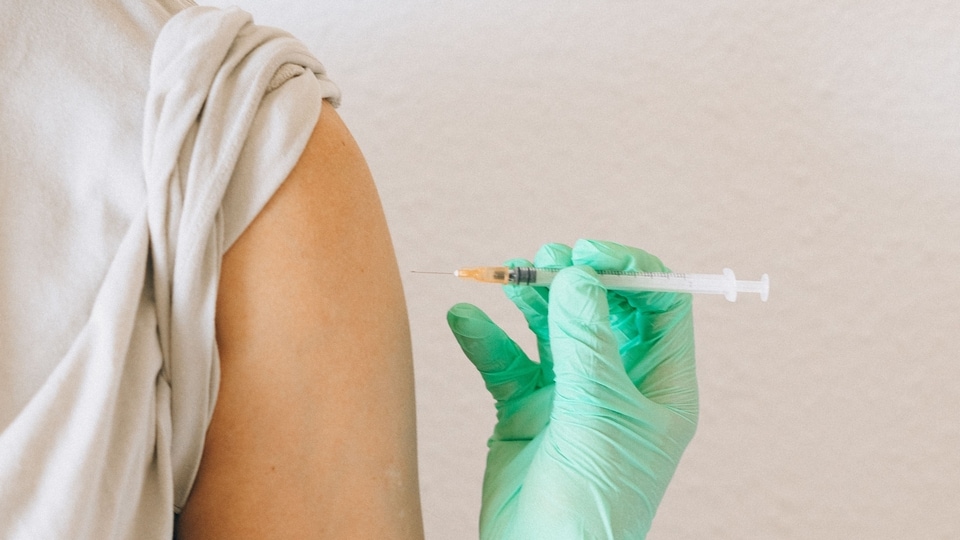
Treating the infected should be strongly supplemented by protecting the next generation. HBV vaccine given at birth and followed by week 6, 10 and 14 can protect nearly every newborn. India has taken good strides in this direction, but much more can be done. Every adult should also get this most economical and effective vaccine.
July 28 is World Hepatitis Day; this time, it is being observed with the theme “Hepatitis: Let us break it down”. We need to break the barriers, starting with social acceptance and dignity for the infected, change in attitude of the physicians to “Treat Most”, and supportive policies of treatment and funding by the government. Every single Hepatitis B death is a reminder of our inept policies and delayed judgement. Act now, and, collectively to eliminate hepatitis B.
SK Sarin is professor of eminence, Institute of Liver and Biliary Sciences, New Delhi. The views expressed are personal


