
 E-Paper



True stability remains elusive in Afghanistan
A year after the Taliban takeover, the nation is mired in political contradictions and economic distress.

 Prefer HTon Google


The Afghan Republic collapsed last August with President Ashraf Ghani and his coterie, to their eternal shame, fleeing the country. The Taliban took over Afghanistan on the strength of its military success. The United States (US) accepted a strategic defeat in the “forever” war; its Doha Agreement of February 2020 with the Taliban was a surrender document, pledging the withdrawal of its forces from Afghanistan. A year after the Taliban takeover, Afghanistan remains unsettled, mired in political contradictions, deep economic distress, and the presence of global terrorist groups.
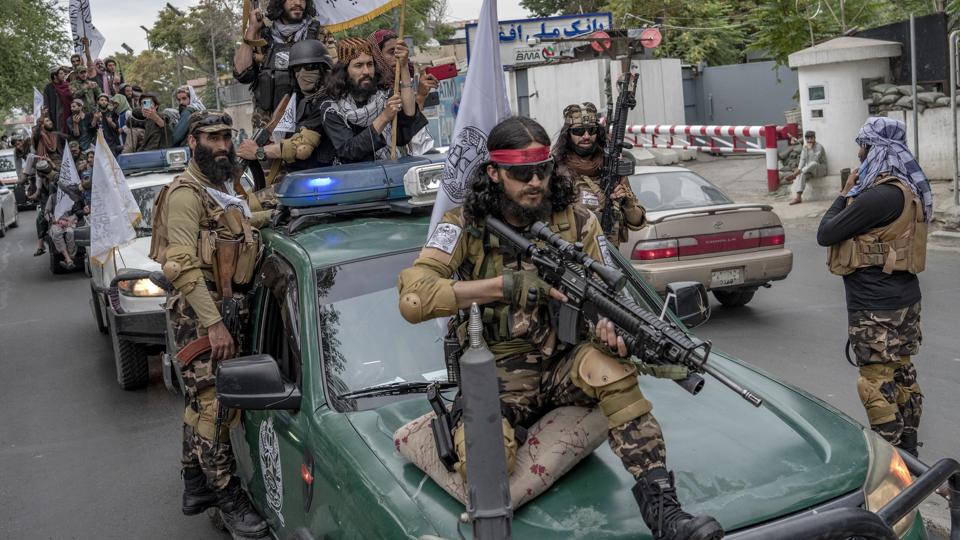
There is no prospect of an early resolution to Afghanistan’s problems. From a historical perspective, it began in July 1973. Daud Khan staged a coup against his cousin king Zahir Shah and abolished the monarchy. Over the five next decades, Afghanistan has experienced nationalist, communist, “democratic,” Islamic, and Islamist dispensations, two failed superpower interventions, inter-, and intra-ethnic strife, terrorism (both within and flowing out of it), the spread of narcotics and shocking violence. Today, despite a surface calm, albeit punctuated by occasional Daesh attacks against mainly Shia and minority targets, true stability remains elusive.
The Taliban is essentially Pashtun. Its present leader, Haibatullah Akhundzada, lacks the aura of the founder Mullah Omar. While theology provides a glue, it has not eroded traditional Pashtun tribal rivalries nor brought about a complete reconciliation between the two centres of contemporary Taliban power — Kandahar and Loya Paktia. At one level, each centre is united. However, in the former, political and social contestation among the Durranis themselves and of the Durranis with the Ghilzai impact politics and social interaction. In the latter, the Zadrans are dominant, but they are resented by other tribes of the area.
Significantly, the Kandharis resent the Zadran domination of Kabul as they consider them socially inferior. Even otherwise, the current Taliban political power-sharing arrangement is not entirely durable. Consequently, as in the 1990s, when different Mujahideen groups looked for foreign patrons, other Taliban groups were already on the same path. The process, not as open as it was in the 1990s, offers opportunities for regional intervention despite Pakistani efforts to paper over intra-Taliban differences. The US action against Ayman al-Zawahiri will exacerbate these intra-Taliban tensions, and the Zadrans would be especially wary of the US.
Along with political differences, there are schisms between pragmatists and theological hardliners led by Haibatullah. These differences have played out, among other things, on gender issues and minority rights. But, significantly, unacceptable as the restrictions are, the full rigour imposed on women in the 1990s is not being witnessed. Also, minor criminality has been on the rise, as is administrative corruption, but there is no evidence of the widespread imposition of Sharia punishments as in the 1990s.
Amid these differences, the Taliban is unwilling to share power with senior members of the extinguished Republic. The latter, in any event, except for former president Hamid Karzai and former chief executive Abdullah Abdullah, are out of Afghanistan. Technocrats are trickling back, but in small numbers. The prospect of any real internal revolt against the Taliban in the non-Pashtun areas is unlikely in the foreseeable future. Equally, effective operations against the Taliban mounted by erstwhile Republic leaders from abroad are improbable.
The World Food Programme (WFP) estimates that around 18 million Afghans are food insecure. The Afghan economy has almost always been critically dependent on external assistance. This was so even during the 20 years of the Republic. Foreign assistance has dried up except for some humanitarian aid trickling in. The country’s deposits in the US have still not been released.
Consequently, the people depend on some remittances from Afghans abroad or on exports to neighbouring countries. However, to the relief of Pakistan and Iran, large-scale movement of economic refugees has not happened, though Afghans, with resources, are leaving the country. Interestingly, some Afghan observers note that Daesh cadres are also receiving funds. These reports are troubling and need investigation.
Despite the al-Zawahiri killing, US and European powers have moved beyond the Afghan situation to issues of world order. Their concerns about narcotics remain because of Afghanistan’s opium stocks. They are also remaining vigilant about the consolidation of global terrorist groups. Regional countries do not have the luxury of those far away. They have security and economic interests in Afghanistan and cannot look at the Afghan situation only through the prism of human rights or the mantra of an inclusive government.
A year after succeeding in assisting the Taliban insurgency, Pakistan is realising the validity of the adage of the inability to permanently “own” the Afghans. The way the Taliban plays Pakistani generals on the Tehreek-e-Taliban issue is a case in point. The Pashtun and Punjabi (those who live south of the Indus) contradictions have deep roots, and it is in the crevices of these contradictions that India can and should pursue its interests.
There is no appetite in any country to recognise the Taliban diplomatically. But all regional States are actively advancing their interests in Afghanistan — China, and Russia aggressively so. India was late in re-establishing its office in Kabul. It should now enhance interaction with the Taliban. At the same time, it should maintain contact with all sections of Afghan opinion within and outside the country and lift its virtual ban on visas for Afghans.
Vivek Katju is India’s former ambassador to Afghanistan
The views expressed are personal


