
 E-Paper



Why India needs to rethink its regulatory approach on cannabis
Last year, the social justice ministry recommended the decriminalisation possession of small quantities of narcotics for personal consumption, but the proposal was not successful, reportedly because of a lack of consensus on a roadmap for the rehabilitation of addicts

 Prefer HTon Google


Last week, United States (US) President Joe Biden pardoned all American citizens and permanent residents prosecuted for “the offense of simple possession of marijuana” under US federal law. Biden’s proclamation is the latest in a series of global markers of a deeper shift in the science behind and the policing of cannabis. For instance, India voted in favour of separating the classification of cannabis from harmful drugs such as heroin at the United Nations Commission on Narcotic Drugs in 2020. While we are part of a slow but definite international consensus towards the decriminalisation of cannabis, we must accelerate domestic reform.
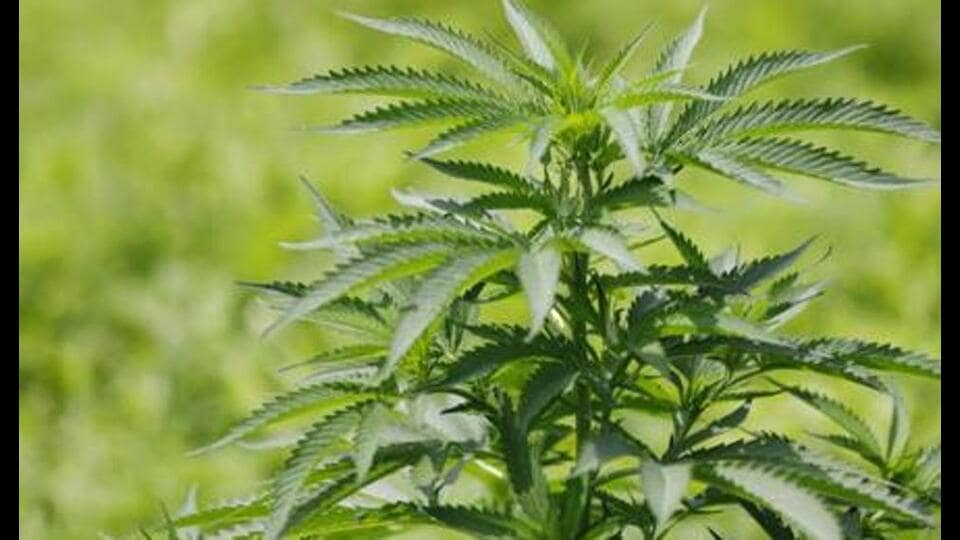
Cannabis is described in the Atharva Veda as a therapeutic plant. Its association with explicit criminality is relatively new in the Indian context. A vaguely worded Indian Lunacy Act in 1858 first led to a connection between cannabis and criminality. Many people protesting against colonial rule were incarcerated on charges of insanity, substantiated by patterns of cannabis use. In the 1970s, US President Richard Nixon’s controversial “war on drugs” put the criminalisation of cannabis on the global agenda. Following suit, the Rajiv Gandhi government enacted the controversial Narcotic Drugs and Psychotropic Substances (NDPS) Act in 1985.
NDPS criminalises possession of most derivatives of cannabis. It also reverses the burden of proof — those accused are assumed guilty until proven innocent. Consequently, around 10% of all jailed undertrials in India are accused under NDPS. Moreover, data from magistrate courts in Mumbai suggest that close to 60% of those arrested under NDPS were found in possession of substances for personal use; of this, 87% involve cannabis. It is clear that the criminalisation of cannabis pushed thousands of ordinary citizens into jail for what is effectively a victimless crime.
Last year, the social justice ministry recommended the decriminalisation possession of small quantities of narcotics for personal consumption, but the proposal was not successful, reportedly because of a lack of consensus on a roadmap for rehabilitation of addicts. As the State appears not ready to upend NDPS, it can consider three incremental steps as an alternative.
First, the State should increase police training on cannabis to avoid wrongful persecution. For instance, even as it stands, our legal framework differentiates between different parts of the cannabis plant. Cannabis leaves, stalks and seeds are not covered by NDPS. The Karnataka high court confirmed this position in August to provide bail to an accused. It also relied on two earlier judgments from different courts — Madhukar vs State of Maharashtra, 2002 and Arjun Singh vs State of Haryana, 2004. Police officers should be sensitised about such legal nuances.
Second, India should de-link cannabis from serious drugs in NDPS. Consider this: A 2019 government survey found around 2.8% of Indians use a cannabis product annually, compared to 14.6% consuming alcohol regularly. Around 57 million people, or one in three alcohol users, were found dependent on the substance and needed help — nearly double the number of people who had used cannabis. It’s time for India to conduct an evidence-based assessment of the harms of cannabis, for which there are no firm numbers on fatalities.
And finally, India should go beyond decriminalisation to promote the medical use of cannabis. It is a key ingredient in around 200 classical ayurvedic formulations. Yet India remains a tiny player in global herbal trade, generating less than a billion dollars in value, in a market worth over $120 billion which China dominates. Legal clarity at all levels of administration linked to the herbal use of cannabis is a prerequisite to unlocking greater value. In response to Russia’s scepticism on the vote to remove cannabis from the same schedule as most harmful drugs, the United Nations relied on the US National Academy of Science’s review. It suggested that cannabis is conclusively or substantially effective for the treatment of chronic pain, antiemetic in the treatment of chemotherapy-induced nausea and vomiting, and in treating spasticity in multiple sclerosis patients. Many advanced nations have come full circle in their regulatory approaches to cannabis, and India can achieve multiple developmental objectives by revisiting its own.
Vivan Sharan is a public policy expert and partner, Koan Advisory Group. The views expressed are personal.


