The famed hots springs in the historical town of Rajgir, which are a big tourist attraction because of their uniqueness and spiritual value, have been drying up of late, triggering concerns among local residents and authorities alike.
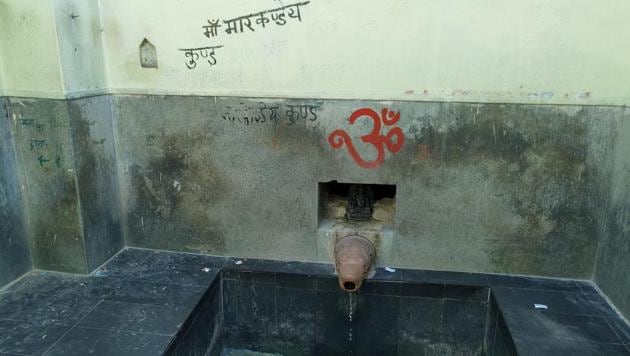
Thousands of people visit there to take bath in the most famous hot spring, popularly known as “Brahmkund”, which is believed to be having divine power to cure many skin diseases.
It is widely believed that the spring, located at the foot of Vainhav hills, has some medicinal properties. As it is a matter of faith, many temples have come up around the spring. People offer prayers after taking bath in the bathing area, which has been developed for the devotees.
However, climate change, growing deforestation in the nearby areas and falling level of underground water has posed a serious threat to the site, with the flow of water to the springs through spouts from ‘Saptdhara’, the seven streams behind the ‘Saptami caves’ in the hills, virtually stopping.
“It will completely dry up in the years to come, as the earth is not getting recharged and the water level is falling consistently. There are innumerable reasons behind it, viz. low rainfall, increased extraction of water and dwindling forest cover. It is the underground water that heats up and comes to the surface in the form of spring,” said a scientist associated with ground water research.
{{/usCountry}}“It will completely dry up in the years to come, as the earth is not getting recharged and the water level is falling consistently. There are innumerable reasons behind it, viz. low rainfall, increased extraction of water and dwindling forest cover. It is the underground water that heats up and comes to the surface in the form of spring,” said a scientist associated with ground water research.
{{/usCountry}}A local priest in the temple close to the ‘Brahmkund’ said that this year, the continued heat spell had started affecting the flow of hot water badly. “Some of the streams and ‘kunds’ have completely dried up. We recall healthy streams flowing non-stop till a couple of decades ago, but things have changed very fast,” he said.
Many people attribute the present crisis of hot springs to man-made problems in the form of indiscriminate boring. “Several water parks have come in the area, while exploitation of ground water in households has also increased. To make things worse, rainfall has also been consistently on the decline,” said Ashok Kumar, a social activist in Rajgir.
Chemical variables of hot spring water include dissolved oxygen, chemical oxygen and ionic variables like sodium, potassium, iron, silica, fluoride, nitrate, sulphide etc.
Murli Manohar, executive engineer of PHED department, Biharsharif, said water bodies were not getting recharged due to lack of rains. “However, we are looking for alternative measures to keep the flow of hot springs unhindered,” he said.
Stay updated Bihar Lok Sabha Result and with all the Breaking News and Latest News from Bengaluru. Click here for comprehensive coverage of top cities including Delhi, Mumbai, Hyderabad, and more across India . Stay informed on the latest happenings in World News.
Stay updated Bihar Lok Sabha Result and with all the Breaking News and Latest News from Bengaluru. Click here for comprehensive coverage of top cities including Delhi, Mumbai, Hyderabad, and more across India . Stay informed on the latest happenings in World News.