
 E-Paper



Photos: Challenging perceptions of disability with dance in London
Candoco is a dance company of disabled and non-disabled dancers founded in 1991 by Celeste Dandeker. With an artistic vision that seeks to address questions of what is dance and who can dance, the company uses contemporary dance to challenge perceptions of ability and push the boundaries of the art. Building choreography on the strength of its individual performers, its shows make practitioners of dance and the audience alike rethink perfection in art and what dancers with disabilities can bring to the stage.
Updated on: Apr 26, 2018 12:19 PM IST

Share via


Copy link

1/8
 View Photos in a new improved layout
Updated on Apr 26, 2018 12:19 PM
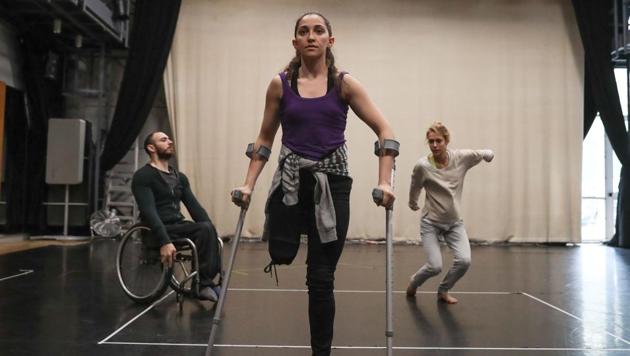
Performers from the Candoco contemporary dance company rehearse for their new show in north London, England. Whether in a wheelchair, on crutches or without any disability at all, these dancers are giving London audiences a fresh twist on contemporary dance. More than 25 years since its creation, Candoco draws renown for contemporary dance rather than the disabilities of some of its members. (Antoine Pollez / AFP)
2/8
 View Photos in a new improved layout
Updated on Apr 26, 2018 12:19 PM
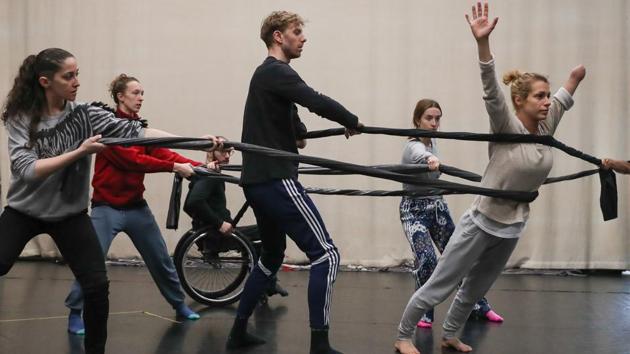
The first performance explores the individual style of the seven Candoco dancers, while the second wittily examines prejudices and physical differences. David Clarke, a London silversmith said when you see movements with missing limbs, or shortened limbs, it makes you aware of how incredible the body is and how extraordinary that can be on the stage. (Antoine Pollez / AFP)
3/8
 View Photos in a new improved layout
Updated on Apr 26, 2018 12:19 PM
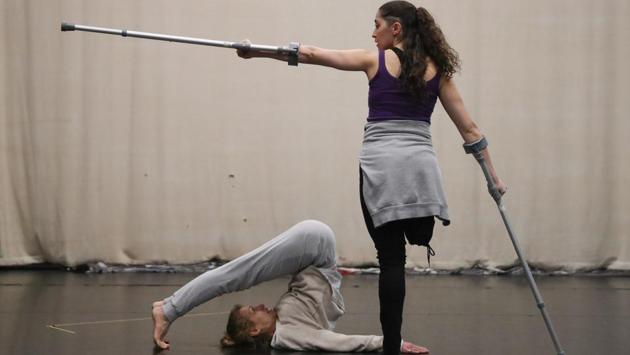
Candoco was founded in 1991 by Celeste Dandeker, who wanted to focus on the artistic aspect of dance rather than the disabilities of some of the company’s performers. Dandeker, herself a dancer, was left paralysed and using a wheelchair in 1973 after a fall during a performance. (Antoine Pollez / AFP)
4/8
 View Photos in a new improved layout
Updated on Apr 26, 2018 12:19 PM
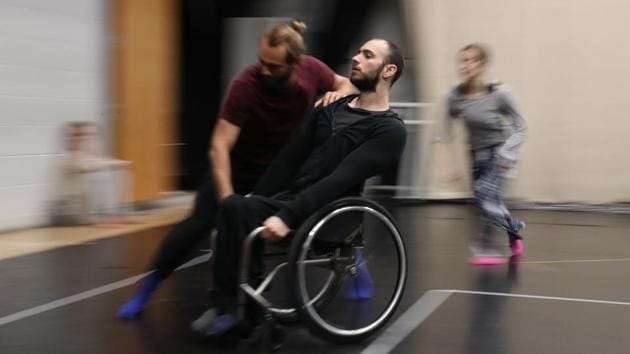
“The diversity of our physicalities is how we make something new,” said Joel Brown, a wheelchair user who is one of the group’s four disabled dancers. He was paralysed from the chest down after a car crash at the age of nine and, as a result, finds it hard to keep his balance without the use of his stomach muscles. (Antoine Pollez / AFP)
5/8
 View Photos in a new improved layout
Updated on Apr 26, 2018 12:19 PM
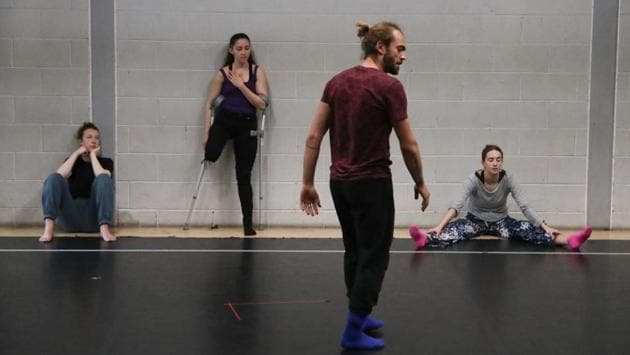
The dancers take a break from rehearsals for an upcoming show. Ben Wright, named artistic co-director in January, joined Candoco after a 30-year career including choreography credits at London’s Royal Opera House and the Washington National Opera. “I feel like I’m having to unpick everything that I took for granted, everything I am beginning to kind of question,” he said, of his new role. (Antoine Pollez / AFP)
6/8
 View Photos in a new improved layout
Updated on Apr 26, 2018 12:19 PM
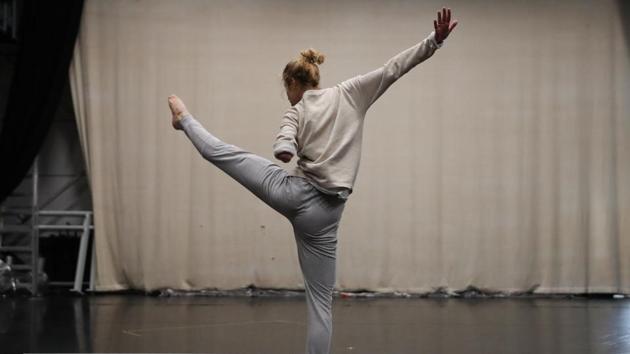
French dancer Laura Patay, who was born without the lower half of her left arm practices for the company’s new show. Despite Candoco’s success, Patay is frustrated that disabled people are rarely visible in the cultural sphere. “There’s been some progress, of course, but there is still a long way to go,” she said. (Antoine Pollez / AFP)
7/8
 View Photos in a new improved layout
Updated on Apr 26, 2018 12:19 PM
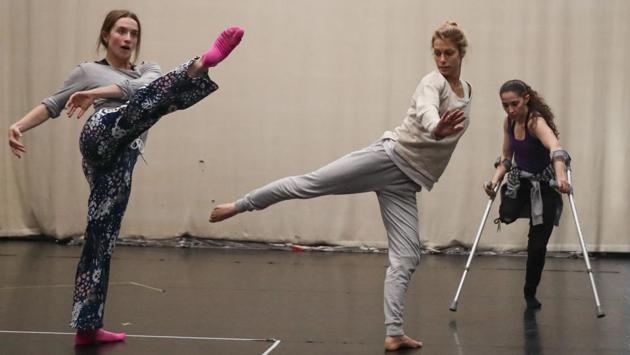
Trained in Lyon, France, Patay remembers always being the only disabled student and instead wants dance schools to be open to everyone. “Dance progresses, but it remains highly codified by classical dance, by the image of the perfect body,” she said. (Antoine Pollez / AFP)
8/8
 View Photos in a new improved layout
Updated on Apr 26, 2018 12:19 PM


