
 E-Paper



Photos| World Environment Day: Where does the plastic you throw away go?
Around 96% of the plastic waste generated in India is recyclable, according to the Central Pollution Control Board, but it’s rarely segregated at the household. This crucial step could help alleviate the long-running waste management issues that are at the root of India’s struggles with landfills. But the task of source segregation is so far not performed at the household, rather by the trash collectors who sift through waste while scavenging for plastics, metal or cardboard that can be resold.
Updated on: Jun 05, 2018 4:18 PM IST

Share via


Copy link

1/8
 View Photos in a new improved layout
Updated on Jun 05, 2018 4:18 PM
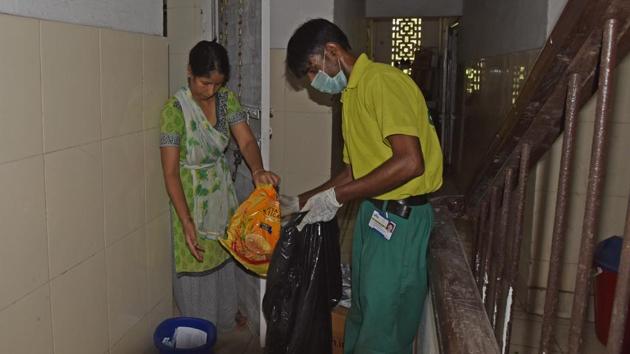
In the absence of proper segregation of waste inside homes, the danger from hazardous plastics falls on the trash collectors, most of whom are poorly paid. M Khokhan Hamid, 39, hasn’t told his children what he does for a living. Shame keeps Hamid from telling them that every day he goes door-to-door collecting garbage. (Anushree Fadnavis / HT Photo)
2/8
 View Photos in a new improved layout
Updated on Jun 05, 2018 4:18 PM
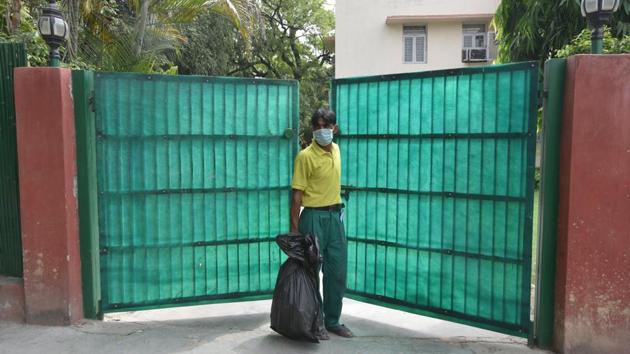
The trash bags can contain anything from vegetable shavings to sanitary napkins. The plush Pandara Road neighbourhood under the New Delhi Municipal Corporation (NDMC) has seen multiple campaigns to promote waste segregation, but to little success. (Anushree Fadnavis / HT Photo)
3/8
 View Photos in a new improved layout
Updated on Jun 05, 2018 4:18 PM
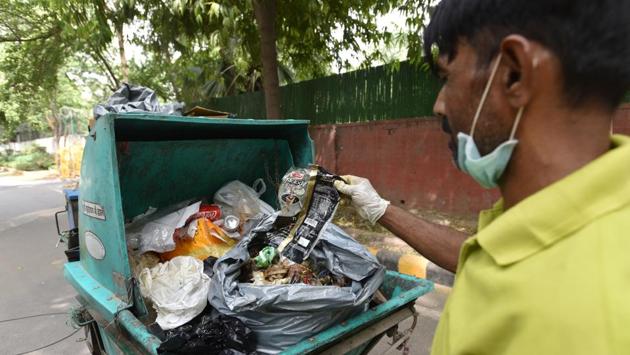
“People think we are unclean,” Hamid said, weaving through the neat lanes of Pandara road on a customised rickshaw. In the back of his customised rickshaw he sifts for anything that would fetch money in the recycling market: bottles, bags, cardboard. As he tore open a plastic trash bag collected from a house to examine its contents, he remarked, “Some people are dirtier than me.” (Anushree Fadnavis / HT Photo)
4/8
 View Photos in a new improved layout
Updated on Jun 05, 2018 4:18 PM
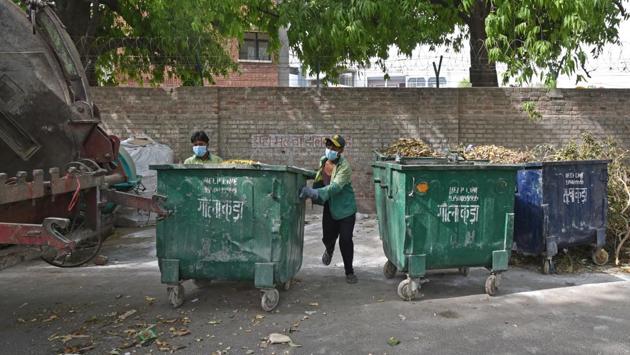
Hamid’s rickshaw and the neighbourhood garbage collection point or dhalao show that most people in the colony don’t segregate dry and wet waste. “Everything gets mixed anyway,” is the common refrain. At the collection point, municipal trash carts for wet and dry waste overflow with mixed trash. (Anushree Fadnavis / HT Photo)
5/8
 View Photos in a new improved layout
Updated on Jun 05, 2018 4:18 PM
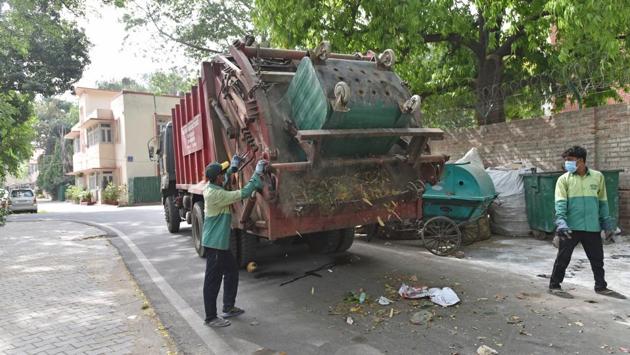
Around 96% of the plastic waste generated in India is recyclable, according to the Central Pollution Control Board, but it’s rarely segregated at the household. Despite the wet and dry waste bins at the Pandara road collection point for instance, when the single compartment garbage truck arrives, everything is dumped together. (Anushree Fadnavis / HT Photo)
6/8
 View Photos in a new improved layout
Updated on Jun 05, 2018 4:18 PM
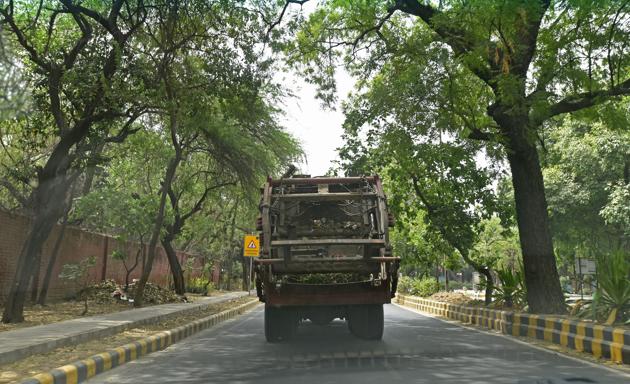
After the collapse at the Ghazipur landfill that killed two people last year, waste-to-energy plants have found favour with local authorities. Garbage trucks take the waste from the NDMC area, about 300 tonnes every day, to the waste-to-energy plant in Okhla. Another 1,500 tonnes come from the South Delhi Municipal Corporation. (Anushree Fadnavis / HT Photo)
7/8
 View Photos in a new improved layout
Updated on Jun 05, 2018 4:18 PM
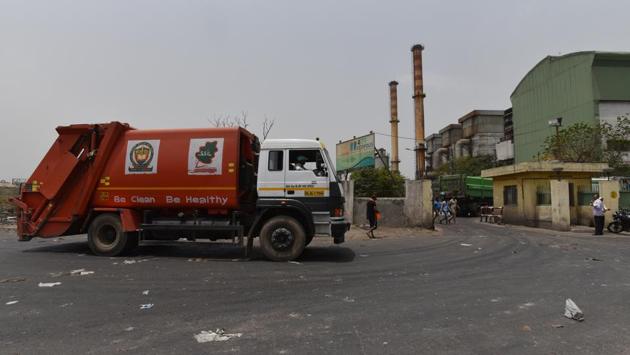
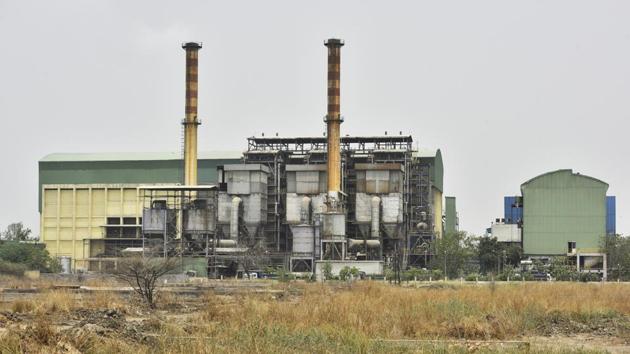
A dumper truck makes its way to the waste to energy plant in Okhla. Large plastic, glass or metal, anything that can be recycled is removed from the garbage stream manually or by magnetic separators and compostable matter is sent to a compost pit. What remains is Refuse-derived fuel (RDF), fed to a boiler for generating electricity. (Anushree Fadnavis / HT Photo)
8/8
 View Photos in a new improved layout
Updated on Jun 05, 2018 4:18 PM


