
 E-Paper



Photos | Bob Dylan turns 77: A life in music and art
The reluctant voice of a generation with songs such as "Blowin' in the Wind" and "The Times They Are a-Changin'", Bob Dylan shot to prominence in the 1960s with songs that became anthems for the Civil Rights and anti-war movements. Over the decades since, Dylan shaped culture and music in the 20th century, a feat acknowledged by his 2016 Nobel prize for literature. Born on May 24, 1941, Bob Dylan turns 77 today. A look at his early music, association with Joan Baez and a life in art not limited to Dylan the singer-songwriter.
Updated on: May 24, 2018 11:53 AM IST


Share via


Copy link

1/10
 View Photos in a new improved layout
Updated on May 24, 2018 11:53 AM
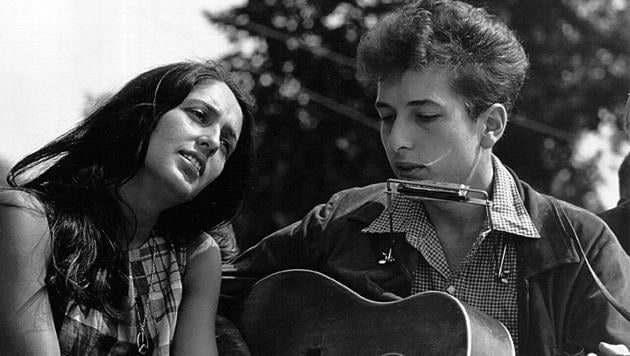
Singers Joan Baez and Bob Dylan during a civil rights rally on August 28, 1963 in Washington D.C. ‘Folk music’ in the 1960s is perhaps personified by Joan Baez and Bob Dylan and their live duets. When a young Dylan, aged 19, arrived in Greenwich in 1961, Baez had long been crowned the ‘Queen of Folk’. By 1963, Dylan would join her at the top. (Rowland Scherman / National Archive / Newsmakers / Getty Images)
2/10
 View Photos in a new improved layout
Updated on May 24, 2018 11:53 AM
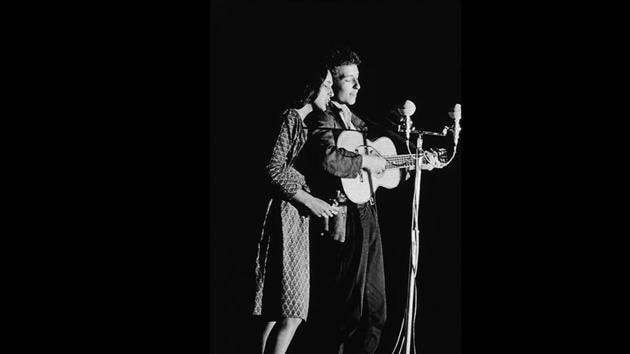
Joan Baez and Bob Dylan perform onstage, 1963. A relatively unknown Bob Dylan debuted at the 1963 Newport Festival performing two duets with Baez, one on her and another on his own set. Joining Baez’s August tour later, introduced Dylan to the large audiences her fame pulled, playing a large role in his early rise to success. The next two years saw tables turning between them. (Columbia Records / Getty Images)
3/10
 View Photos in a new improved layout
Updated on May 24, 2018 11:53 AM
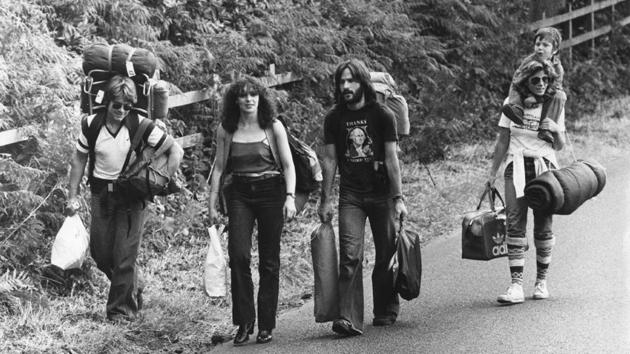
Hippies on their way to Picnic at Blackbushe in Hampshire for a Bob Dylan concert on July 14, 1978. By the mid-60s Dylan had changed what a pop song could convey with politicized albums like The Times They Are a-Changin’ and songs such as ‘Like a Rolling Stone’. A prolific but varied output had audiences and critics divided on his music but agreed on his stature as a leading songwriter. (Colin Davey / Evening Standard / Getty Images)
4/10
 View Photos in a new improved layout
Updated on May 24, 2018 11:53 AM
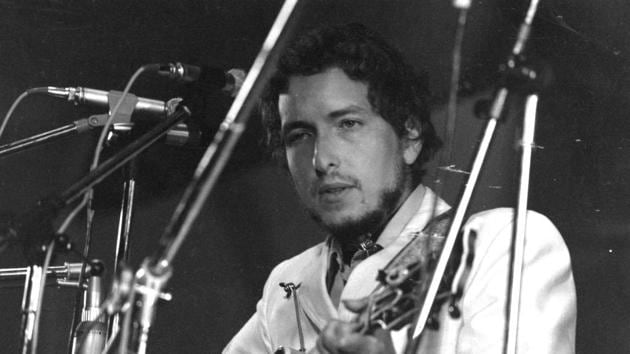
Bob Dylan in concert at the Isle of Wight Pop Festival, 1969 after rejecting Woodstock. As the decade moved into the 1970s Dylan’s motorcycle crash, a shift towards Judeo Christian symbolism, and a change in his sound from the mood of the 1960 shaped his reclusion. A return to touring after seven years in 1974 preceded his Evangelical Christian period, marked by declarations of faith onstage and refusals to play older, secular songs. (William Lovelace / Express / Getty Images)
5/10
 View Photos in a new improved layout
Updated on May 24, 2018 11:53 AM
A visitor views the ‘Bob Dylan. New Orleans Series’ Exhibition at Palazzo Reale on February 4, 2013 in Milan, Italy. New Orleans played a muse to Dylan’s painting and sketches just as it did in his music. His work as a visual artist includes street scenes, landscapes, portraits interiors and nudes. Since 1994, Bob Dylan’s art has been published in seven books starting with ‘Drawn Blank’ a series of drawings. (Vittorio Zunino Celotto / Getty Images)
6/10
 View Photos in a new improved layout
Updated on May 24, 2018 11:53 AM
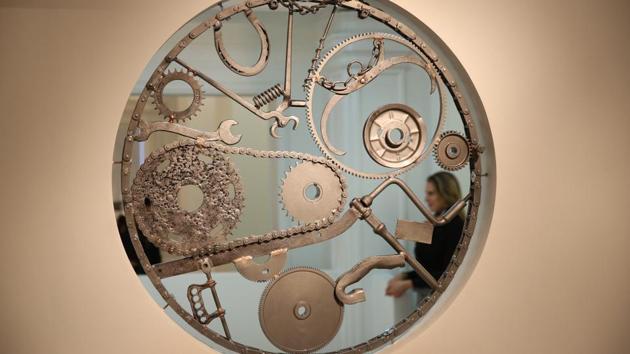
An Ironwork wall hanging created by Bob Dylan is shown at his ‘Mood Swings’ exhibition at Halcyon Gallery in London, England. The notorious recluse, who can’t stay off the stage, maintains his enigma after five decades. Dylan said of the exhibition that ironwork and gates represent an appeal of negative spaces. How they can “shut you out or shut you in. And in some ways there is no difference.” (Peter Macdiarmid / Getty Images for Halcyon Gallery)
7/10
 View Photos in a new improved layout
Updated on May 24, 2018 11:53 AM
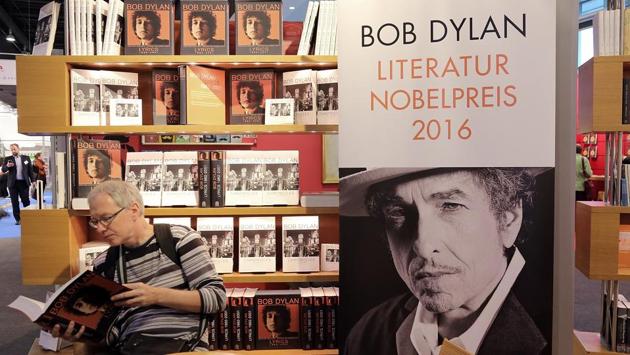
A man reads a book about Bob Dylan at the 2016 Frankfurt Book Fair. In 2016, Bob Dylan became the first musician to win the Nobel Prize in Literature “for having created new poetic expressions within the great American song tradition”. After two weeks of silence on his award, Dylan spoke at an interview, calling it “amazing, incredible. Whoever dreams about something like that?” (annelore Foerster / Getty Images)
8/10
 View Photos in a new improved layout
Updated on May 24, 2018 11:53 AM
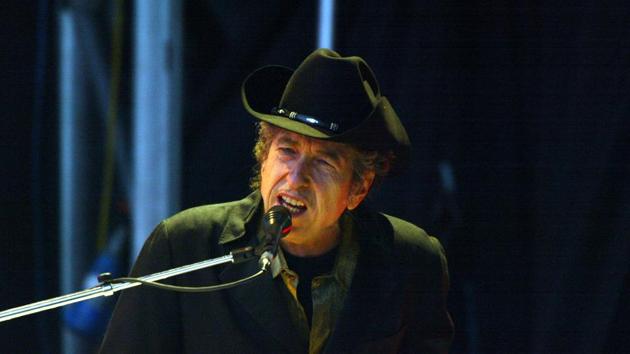
Singer Bob Dylan performs on stage at The Fleadh 2004 at Finsbury Park June 20, 2004 in London. Turning 77 today, Dylan maintains his influence in cementing the culture of the 20th century as a poet, social critic and guiding spirit of the counterculture generation. (Getty Images)
9/10
 View Photos in a new improved layout
Updated on May 24, 2018 11:53 AM
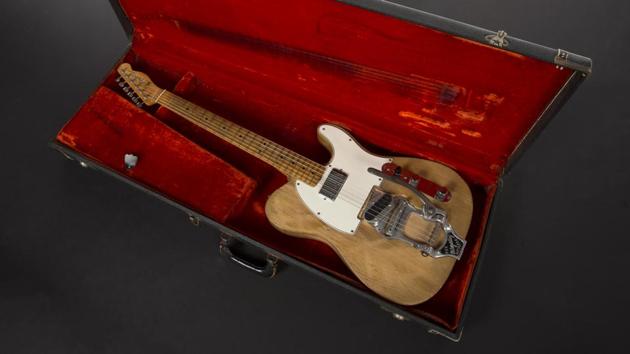
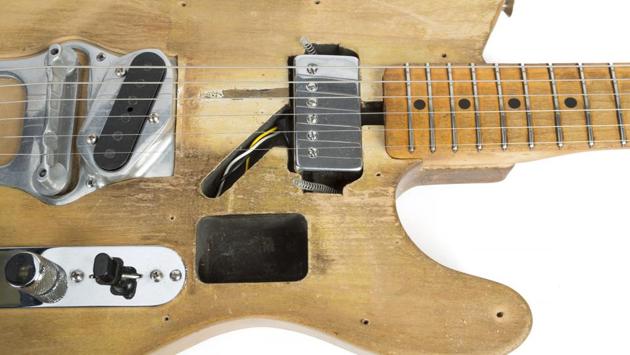
The 1965 Fender Telecaster that Dylan played during his infamous “Going Electric” tour where he played live with a backing band for the first time is emblematic of the body of work created in the mid-1960s. Bringing It All Back Home, Highway 61 Revisited and Blonde on Blonde remain achievements of cultural synthesis drawing on folk, rock and roll, R&B as well as beat and modernist poetry, ad lingo and social commentary. (Julien’s Auctions)
10/10
 View Photos in a new improved layout
Updated on May 24, 2018 11:53 AM


