
 E-Paper



Photos: Loss and longing in Goa
Goa: A Time That Was, an exhibition currently on at the Sunaparanta Goa Centre for the Arts in Panaji, features work by photographer and writer Waswo X Waswo, photographer and filmmaker Ipshita Maitra, and architect and historian Vishvesh Prabhakar Kandolkar. Take a tour.
Updated on: Oct 3, 2021 3:07 PM IST


Share via


Copy link

1/7
 View Photos in a new improved layout
Updated on Oct 3, 2021 3:07 PM
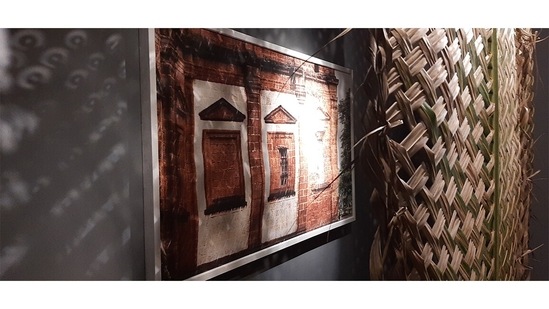
Goa-based architect and historian Vishvesh Prabhakar Kandolkar’s site-specific installation. This is not the Basilica! It is a large print of the the Basilica of Bom Jesus hidden behind a protective covering of palm fronds, to indicate the fragile nature of the structure and the weak efforts made to protect the 16th-century monument. (Vishvesh Prabhakar Kandolkar)
2/7
 View Photos in a new improved layout
Updated on Oct 3, 2021 3:07 PM
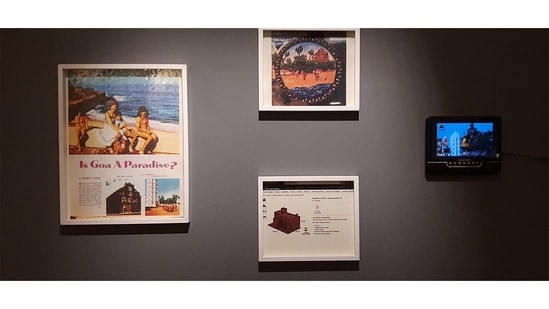
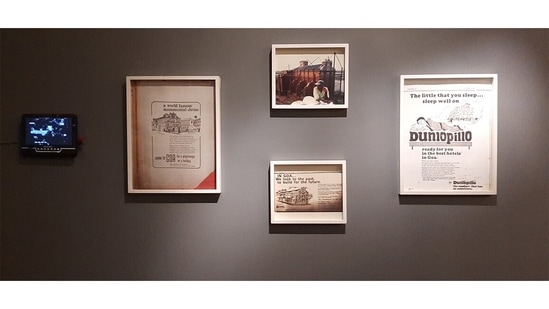
A second installation, (T)here is the Basilica, a mixed-media work shows how the building has been part of popular culture for decades, featuring in photographs, advertisements, local art. It is the basilica that saves the state from being represented entirely in clichéd images of sun, sand and sea. But the beloved monument remains at risk itself. (Vishvesh Prabhakar Kandolkar)
3/7
 View Photos in a new improved layout
Updated on Oct 3, 2021 3:07 PM
The dilemma of the Bom Jesus church is the kind of dilemma typical of living in and loving Goa. The church had external plaster that eroded over time, and it has now been immortalised in this form: its underlying laterite stone exposed to damage from the elements. Re-plastering it would mean changing how it has looked for decades, changing things for tourists and pilgrims. And yet, this is not how it was meant to stand. (Vishvesh Prabhakar Kandolkar)
4/7
 View Photos in a new improved layout
Updated on Oct 3, 2021 3:07 PM
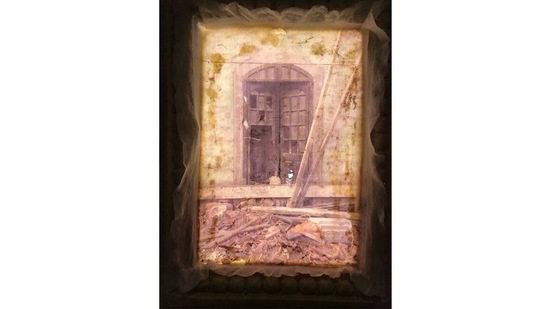
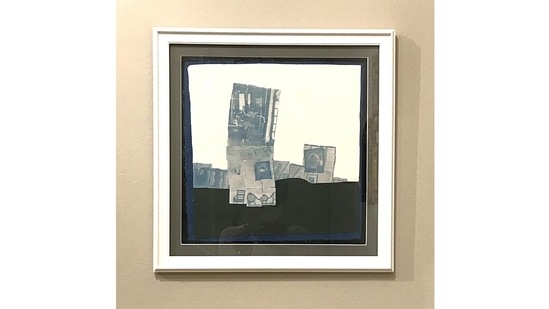
Goa-based photographer and filmmaker Ipshita Maitra’s project represents the changed ethnographic, ancestral and geographic landscapes of the state through photographic collages. Images of six old Goan homes and their interiors are layered and distorted, reproduced as handmade emulsions or prints, to represent a sense of loss. (Ipshita Maitra)
5/7
 View Photos in a new improved layout
Updated on Oct 3, 2021 3:07 PM
“Using the rather intimate space of home, and extending it to the larger concept of a neighbourhood and community, the collections draw attention to a systemic erosion of cultural and ethnic identity and a gradual gentrification that is taking place in Goa,” says Leandré D’Souza, curator and programme director at Sunaparanta. (Ipshita Maitra)
6/7
 View Photos in a new improved layout
Updated on Oct 3, 2021 3:07 PM
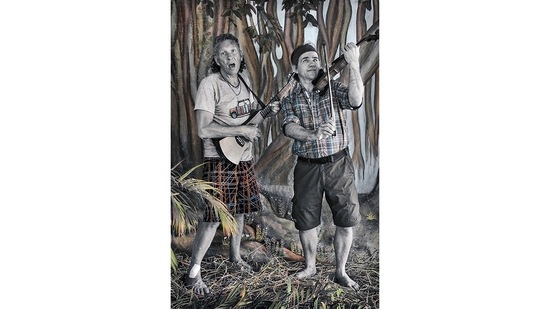
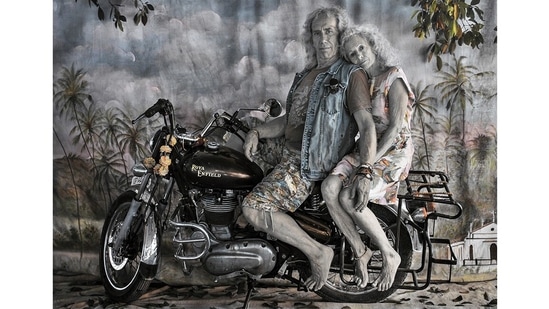
Waswo X Waswo, an American who has spent about a decade on and off in Goa, has watched the state change as tourism and real-estate development have expanded outward from a narrow strip along the shore to invade even interior villages. In his trademark black-and-white and sepia tones, his project uses vintage studio portraits and traditional photo hand-colouring to showcase Goa’s first bohemians. (Waswo X Waswo & Rajesh Soni)
7/7
 View Photos in a new improved layout
Updated on Oct 3, 2021 3:07 PM


