
 E-Paper



Photos: International Tiger Day a roar for urgent action
International Tiger Day observed on July 29 is a call to urgent action for the conservation of the dwindling numbers of this big cat and the need to combat the threats of poaching and illegal wildlife trade.
Updated on: Jul 29, 2017 4:05 PM IST

Share via


Copy link

1/8

 View Photos in a new improved layout
Updated on Jul 29, 2017 4:05 PM
There are many days every year meant to recognize various causes—from Earth Day to the upcoming World Animal Day. But International Tiger Day marked on July 29 is one worth observing, as only a few thousand tigers remain in the wild as a result of animal poaching and trafficking, according to a United Nations Environment Program (UNEP) report. (Himanshu Vyas / HT Photo)
2/8
 View Photos in a new improved layout
Updated on Jul 29, 2017 4:05 PM
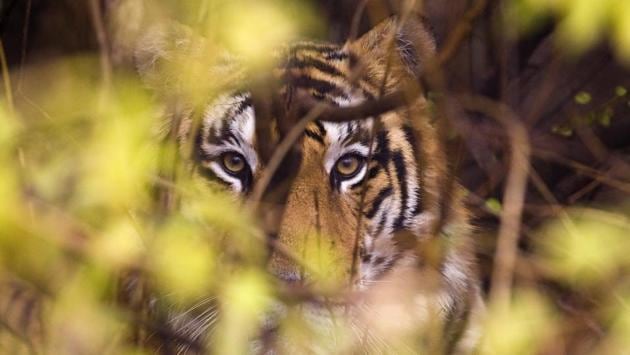
India is home to nearly 60% of the world’s 3890 tigers in the wild, but threats to the species owing to increasing habitat loss and demand for their skins, bones and other derivatives in China and other parts of Asia for ornamental and traditional medicine purposes puts the tiger at extreme risk of extinction. (Gurinder Osan / HT Photo)
3/8
 View Photos in a new improved layout
Updated on Jul 29, 2017 4:05 PM
According to a report released by the forest department, Uttarakhand has recorded a massive jump in the tiger numbers with the Corbett Tiger Reserve becoming home to 52 more tigers since 2015 making a total of 215 and the Rajaji Tiger Reserve home to 23 more big cats than were recorded during the 2014 tiger census taking the total to 39.
4/8
 View Photos in a new improved layout
Updated on Jul 29, 2017 4:05 PM
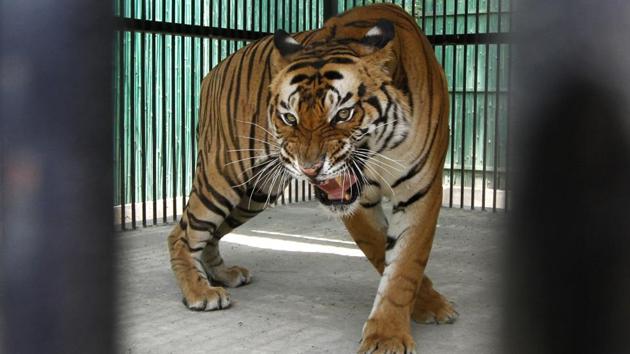
Uttarakhand has the country’s second highest tiger population after Karnataka, according to the 2014 tiger census. (Virendra Singh Gosain / HT Photo)
5/8
 View Photos in a new improved layout
Updated on Jul 29, 2017 4:05 PM
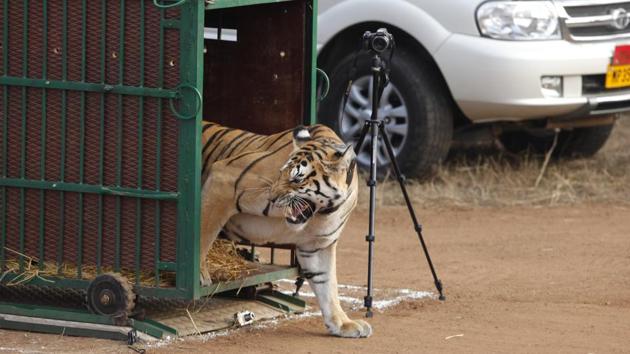
But on the other hand, tiger deaths have also steadily gone up in India in recent years. In 2015 National Tiger Conservation Authority (NTCA) and Ministry of Environment, Forest and Climate Change officials reported 80 tiger deaths, and 78 in the previous year.
6/8
 View Photos in a new improved layout
Updated on Jul 29, 2017 4:05 PM
India had about 100,000 tigers a century ago but the numbers had plummeted to fewer than 1,500 by the early years of this millennium. Tigers are now on the International Union for Conservation of Nature (IUCN) red list of endangered animals. (Virendra Singh Gosain / HT Photo)
7/8
 View Photos in a new improved layout
Updated on Jul 29, 2017 4:05 PM
Facing extensive health dangers from diseases such as canine distemper spread by stray dogs from villages close to sanctuaries, scientific studies show 17 tigers died due to infighting and 18 were reported to have been found dead, with cause of death unknown this year, according to Wildlife Protection Society Of India records.
8/8
 View Photos in a new improved layout
Updated on Jul 29, 2017 4:05 PM


