
 E-Paper



Photos: Modi’s ‘free cooking gas’ leaves bitter taste for some
Prime Minister Narendra Modi launched "Ujjwala Yojana" in May 2016 to connect millions of homes to gas, empower women and cut pollution -- designed as a key vote-winning policy for Modi in 2014. But the programme has been beset by allegations of corruption and misuse, critics saying it has been marred by bribes and corruption and that the poor households targeted by the scheme cannot afford to pay for gas refills, pushing those who have received new stoves back to traditional fuels.
Updated on: Apr 30, 2019 10:39 AM IST

Share via


Copy link

1/8
 View Photos in a new improved layout
Updated on Apr 30, 2019 10:39 AM
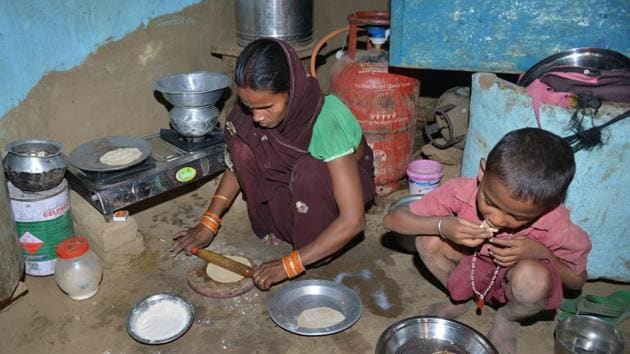
Reena Devi felt her life change when she got a cooking gas connection under the billion-dollar programme, meaning she no longer had to cook with wood or coal and breathe in smelly, toxic fumes. But Devi said she had to pay ₹3,000 for the “free” kit -- the equivalent of a month’s wages for most people in her village Nisarpura, in Bihar. (Narinder Nanu / AFP)
2/8
 View Photos in a new improved layout
Updated on Apr 30, 2019 10:39 AM
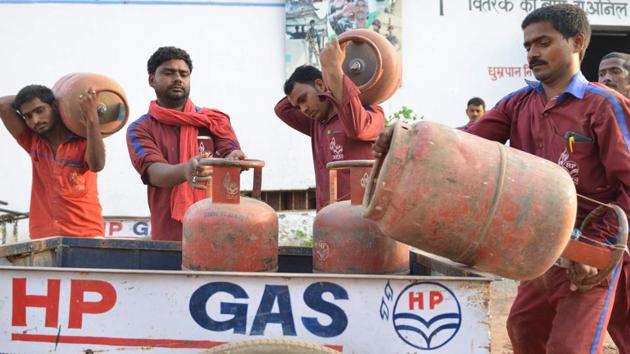
“I pleaded with the officials that this is supposed to be free but they gave me two options: Pay and take the kit or forget it,” Devi said. But the PM, seeking a second term, has touted the cooking gas scheme a success as he campaigns around the country. Modi’s government says more than 70 million poor households across India now have gas stoves. (Narinder Nanu / AFP)
3/8
 View Photos in a new improved layout
Updated on Apr 30, 2019 10:39 AM
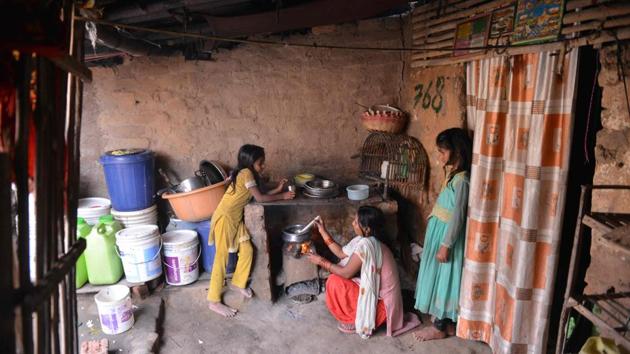
Household pollution is a serious health hazard in India, with a World Health Organization (WHO) report saying that smoke inhaled by women from unclean fuel is a major cause of cancer, heart disease and strokes. Ujjwala Yojana offers recipients a loan of ₹1,600 covering the cost of the stove, pipes, regulator and a gas canister --supposed to be paid back through the purchase of subsidised gas refills. (Narinder Nanu / AFP)
4/8
 View Photos in a new improved layout
Updated on Apr 30, 2019 10:39 AM
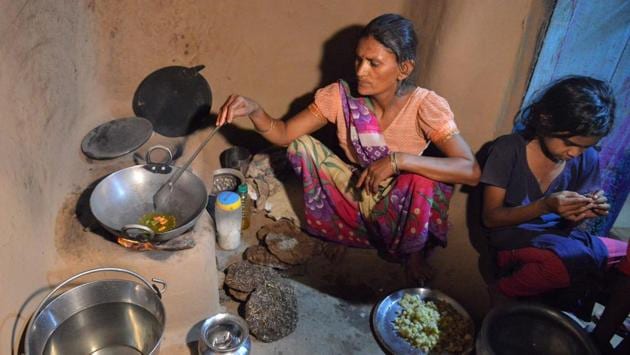
In Nisarpura, Jamintra Devi (C) applied for a connection but local officials would not give it unless she paid a bribe. “We come back from work at midnight or 1:00am and then we have to cook on wood,” said Devi, who is not related to Reena. Some recipients say their kits have effectively been repossessed. (Narinder Nanu / AFP)
5/8
 View Photos in a new improved layout
Updated on Apr 30, 2019 10:39 AM
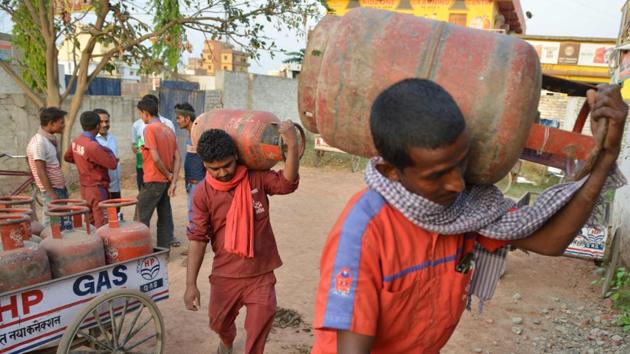
The government set aside ₹80 billion when the scheme was launched to fund the gas connections which it said would “empower” women, and have since extended that to ₹120 billion. The red gas canisters are emblazoned with the slogan “respecting the dignity of women”, and only women can qualify for the project. (Narinder Nanu / AFP)
6/8
 View Photos in a new improved layout
Updated on Apr 30, 2019 10:39 AM
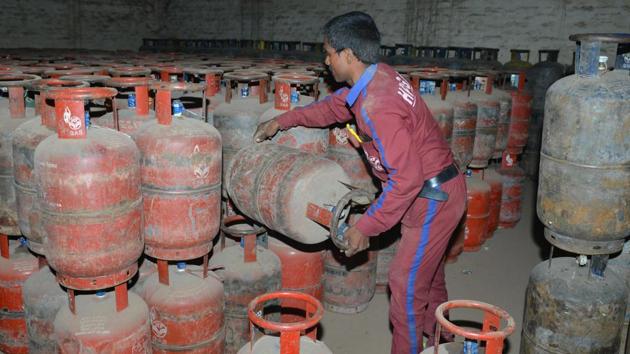
In Bihar, eight million people have received the connections, but a study by the non-profit Research Institute for Compassionate Economics this month said 36% of households in four of India’s largest states still use traditional fuel. Despite sometimes patchy success, the WHO last year praised the scheme, saying that in two years it had helped 37 million women below the poverty line switch to clean energy. (Narinder Nanu / AFP)
7/8
 View Photos in a new improved layout
Updated on Apr 30, 2019 10:39 AM
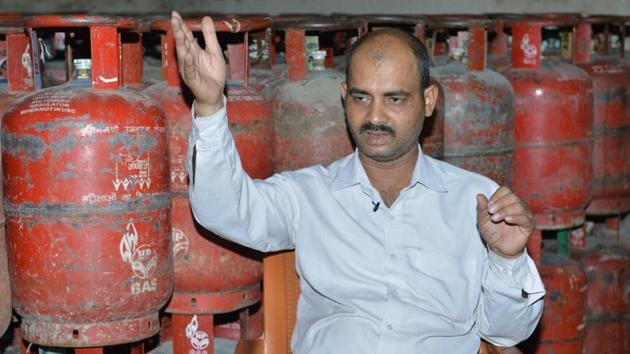
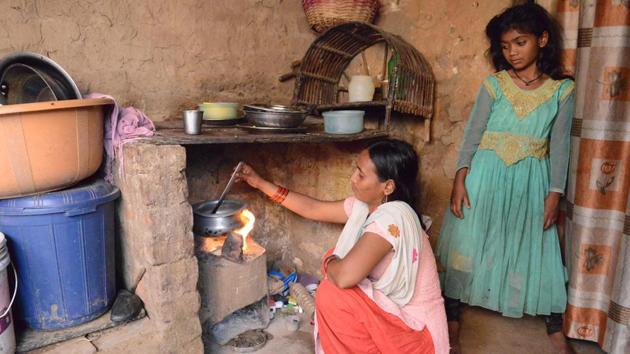
But the pressure of fluctuating gas prices could force many poor Indians back towards using wood, coal or cow dung instead. Sanjay Kumar, a gas canister distributor in Patna, has around 5,000 customers who have gas connections from Modi’s programme. But at least half stop buying refills and return to traditional fuel if prices rise even slightly, he said. (Narinder Nanu / AFP)
8/8
 View Photos in a new improved layout
Updated on Apr 30, 2019 10:39 AM


