
 E-Paper



Photos: Rising unease over Ayodhya temple as general election looms
While the dispute over Ayodhya dates back several decades, the mass movement to build a "Ram Mandir" picked up steam in the early 1990s, helping propel the BJP onto the national stage when it was still a nascent political outfit. After the destruction of the Babri Masjid in 1992, the site was sealed off as Hindu and Muslim groups fought in court for its control. Hardliners have been agitating for the shrine for decades but it is a deeply polarising project, one that has aggravated deadly fissures between India's Hindu majority and its sizeable Muslim minority.
Updated on: Jan 17, 2019 9:43 AM IST

Share via


Copy link

1/8
 View Photos in a new improved layout
Updated on Jan 17, 2019 9:43 AM
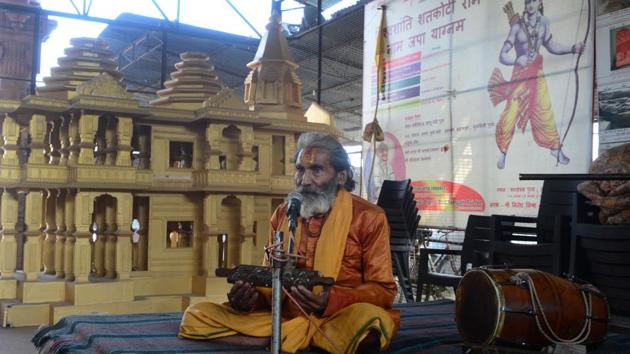
A sadhu worships as he sits next to a model of the proposed temple at Ram Janmabhoomi Nyas workshop in Ayodhya, Uttar Pradesh. Young and unemployed, Som Shekhar pines less for a job than the construction of the controversial temple -- and, as India’s general election approaches, says he will vote for the only man he believes can deliver it. (Sanjay Kanojia / AFP)
2/8
 View Photos in a new improved layout
Updated on Jan 17, 2019 9:43 AM
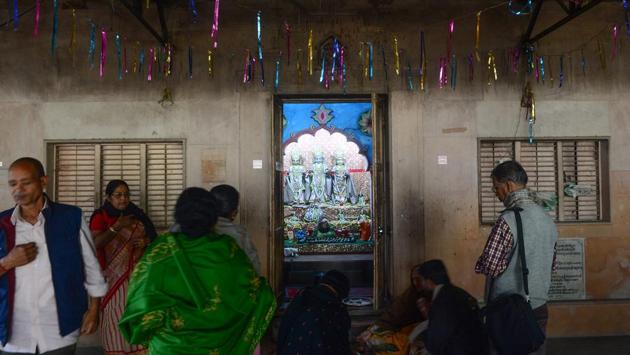
Devotees worship inside a Ram temple. “Only a Hindu government can realise the temple dream,” said Shekhar, referring to Prime Minister Narendra Modi and his Bharatiya Janata Party (BJP). Modi is seeking a second term and Shekhar’s “temple dream” -- the construction of a Hindu shrine in the flashpoint city of Ayodhya -- could muscle its way onto the election campaign as it gets under way. (Sanjay Kanojia / AFP)
3/8
 View Photos in a new improved layout
Updated on Jan 17, 2019 9:43 AM
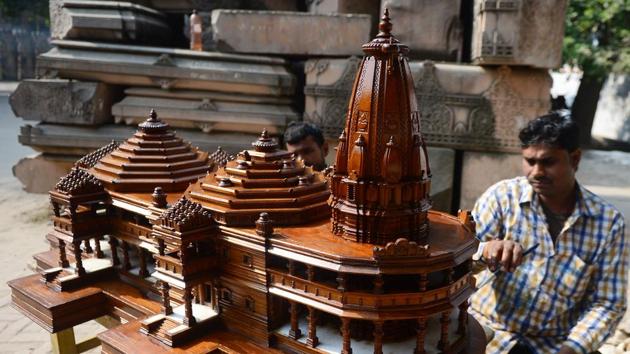
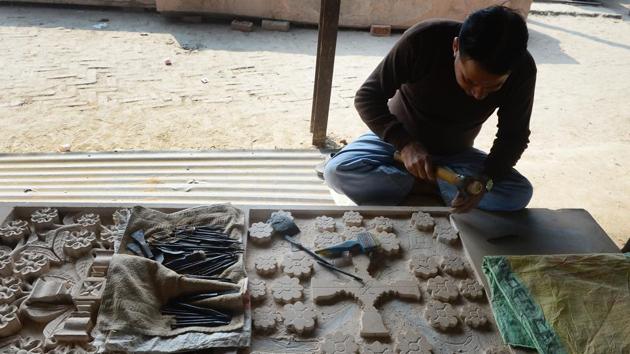
A worker polishes a model of a proposed Hindu temple at Ram Janmabhoomi Nyas workshop. Temple devotees want a grandiose structure built on the ruins of a medieval mosque that was razed by Hindu zealots in 1992 -- sparking religious riots that left 2,000 dead across India. A quarter century later the temple’s champions want to lay a foundation stone and see an opportunity in the 2019 election. (Sanjay Kanojia / AFP)
4/8
 View Photos in a new improved layout
Updated on Jan 17, 2019 9:43 AM
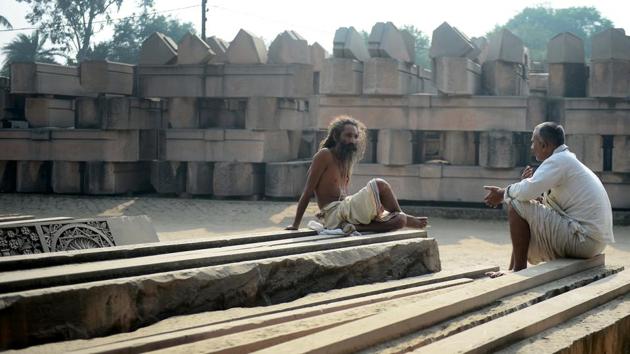
For some voters, no other issue matters. “I agree that jobs are tough to come by. But the temple is a question of Hindu faith and it should be placed above everything else,” 24-year-old Shekhar told AFP in Ayodhya. Not far from the contested site, gigantic pillars embossed with decorative flowers and paving stones lie in wait, some more than 30 years old. (Sanjay Kanojia / AFP)
5/8
 View Photos in a new improved layout
Updated on Jan 17, 2019 9:43 AM
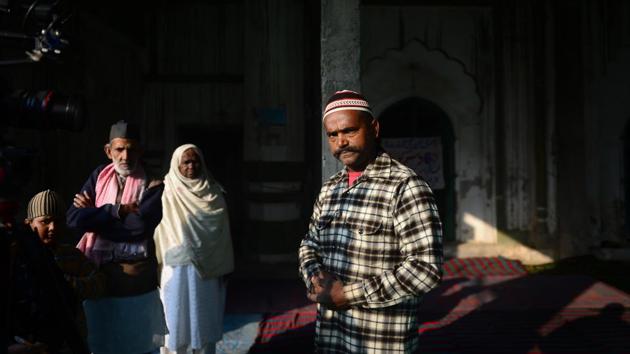
In 2010 a court ruled the site should be divided -- two-thirds controlled by Hindus and the remainder by Muslims. The decision was contested by both parties, and the case has stalled in the Supreme Court ever since. It was again adjourned without progress last week. A verdict would prove incendiary, and is unlikely before the world’s largest election in April and May. (Sanjay Kanojia / AFP)
6/8
 View Photos in a new improved layout
Updated on Jan 17, 2019 9:43 AM
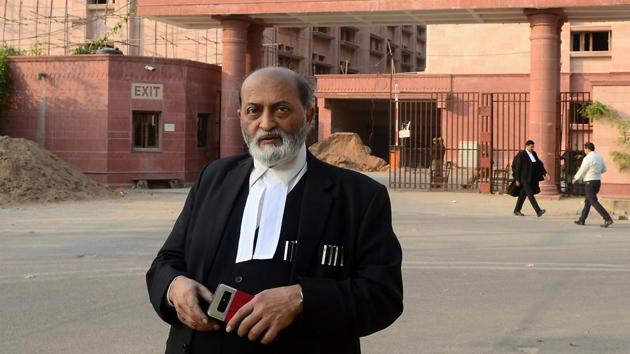
Critics fear Modi could nonetheless stoke the temple issue to appease Hindu voters, and distract from his administration’s shortcomings. “The Ayodhya issue has always been a poll gimmick, but it has become more so this time,” said Zafaryab Jilani, a lawyer representing Muslim groups. “They are unable to explain rural poverty, lack of jobs so they are hoping this will lead to polarisation of Hindu votes.” (Sanjay Kanojia / AFP)
7/8
 View Photos in a new improved layout
Updated on Jan 17, 2019 9:43 AM
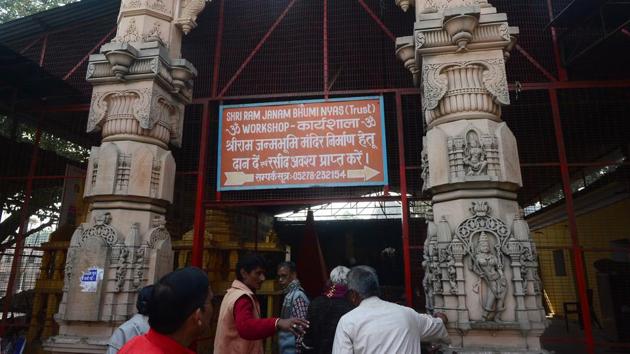
Devotees stand outside a Ram temple. But Hindu hardliners are impatient. Some feel Modi has not done enough to raise the shrine and are urging him to use his majority in parliament to bypass the courts with legislation and get construction moving. “We have waited for too long for this,” said Shekhar, as he admired a wooden miniature of the proposed temple. (Sanjay Kanojia / AFP)
8/8
 View Photos in a new improved layout
Updated on Jan 17, 2019 9:43 AM


