
 E-Paper



Photos: The Kalaiwala’s call fades as kitchens turn to modern utensils
As copper and brass cookware becomes a growing rarity in urban kitchens, the kalaiwala or re-tinner who's livelihood depended on the bimonthly repair of these utensils, finds far fewer responses to the calls of ‘bhande kalai kara lo’ or 'Get your utensils tinned'.
Updated on: Sep 04, 2017 4:59 PM IST

Share via


Copy link

1/8
 View Photos in a new improved layout
Updated on Sep 04, 2017 4:59 PM
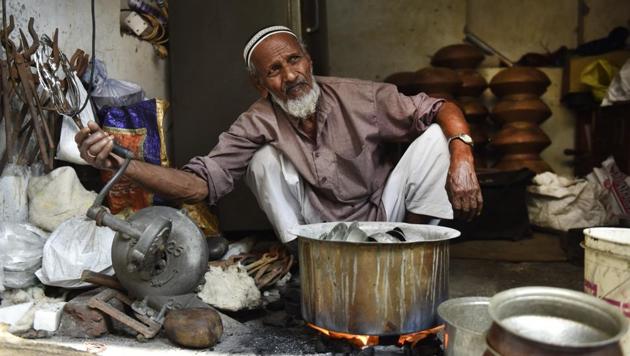
The kalaiwala or re-tinner’s calls of ‘bhande kalai kara lo’ (Get your utensils tinned) once rang loud in residential colonies, drawing households to these specialists in giving new life to brass and copper utensils. With the adoption of pressure cookers and stainless steel alternatives, kalaiwalas are faced with dwindling business and fewer respondents paying heed. (Mohd Zakir / HT Photo)
2/8
 View Photos in a new improved layout
Updated on Sep 04, 2017 4:59 PM
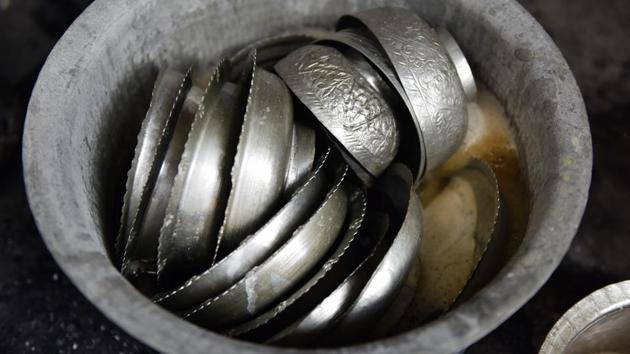
Copper and brass utensils were once the mainstay of kitchens –preferred for their high conductivity and the unique lingering taste they supposedly lent foods prepared in them. Such times made kalaiwalas invaluable for households with utensils in need of frequent coatings to keep reactions with acidic foods and the risk of food poisoning at bay. (Mohd Zakir / HT Photo)
3/8
 View Photos in a new improved layout
Updated on Sep 04, 2017 4:59 PM
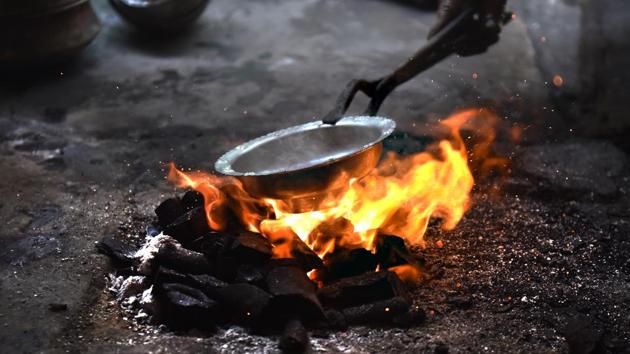
The kalaiwala’s portable workshop equipped with a makeshift furnace and fuelled by bellows they carry around, comes alive once enough utensils have been gathered from a locality. As the utensils heat up, a sprinkling of nausadar (sal amoniac or ammonium chloride) fills the air with an ammoniac odour. (Mohd Zakir / HT Photo)
4/8
 View Photos in a new improved layout
Updated on Sep 04, 2017 4:59 PM
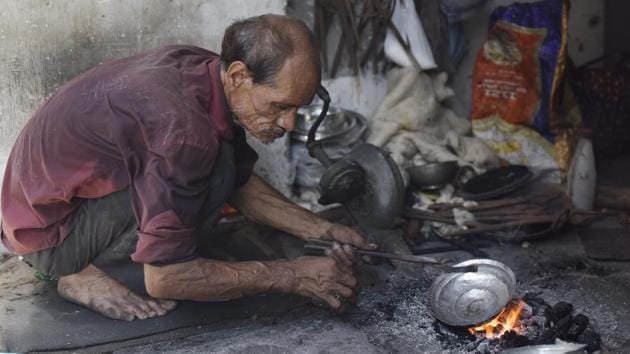
This powder is then liberally applied into the interior of the heated cookware to rid it of residual grit and in turn leaves its surface more abrasive and primed for the fresh coating that lies ahead. (Mohd Zakir / HT Photo)
5/8
 View Photos in a new improved layout
Updated on Sep 04, 2017 4:59 PM
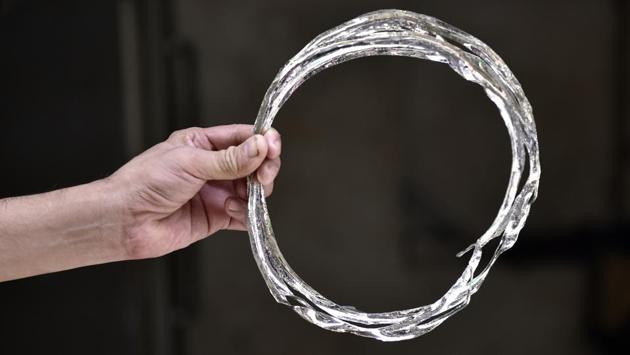
The secret to the glaze left after the kalaiwala’s treatment is in the use of virgin grade tin which melts upon contact with the surface of the utensil, forming a protective lining which is rubbed in to coat the entire surface. (Mohd Zakir / HT Photo)
6/8
 View Photos in a new improved layout
Updated on Sep 04, 2017 4:59 PM
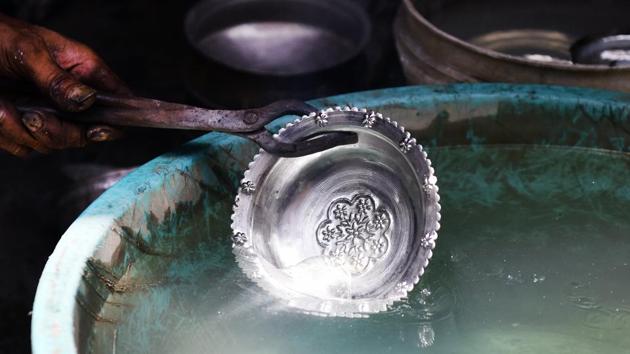
With the patina renewed, the still simmering utensil is then doused in plain water, the sudden impact solidifying its fresh tin coat. This process brings out the ‘tin-cry’ -a shrill sound characteristic of the metallic reaction that dims once the temperature returns to safe handling levels. (Mohd Zakir / HT Photo)
7/8
 View Photos in a new improved layout
Updated on Sep 04, 2017 4:59 PM
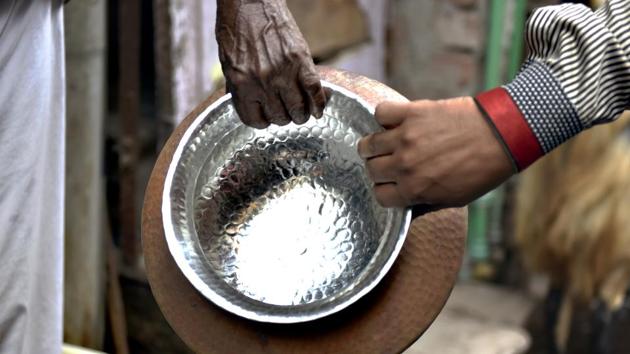
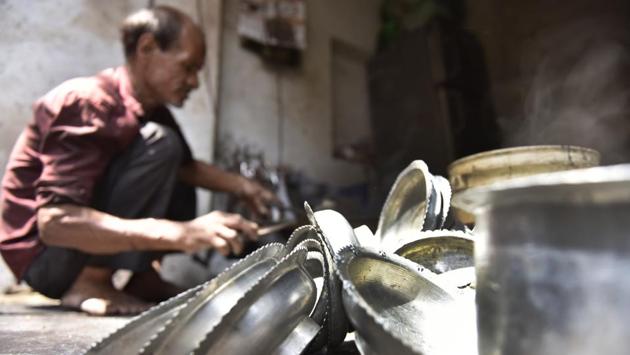
Eighty-year-old Abdul Qadir, a kalaiwala and known face in Mohalla Chhatta Lal Mia Tiraha Behram Khan, Darya Ganj in Old Delhi feels that his calls now return far fewer customers with brass and copper ousted in favour of newer materials. (Mohd Zakir / HT Photo)
8/8
 View Photos in a new improved layout
Updated on Sep 04, 2017 4:59 PM


