
 E-Paper



A construction worker’s tale: He used to live in a slum. Then demonetisation struck
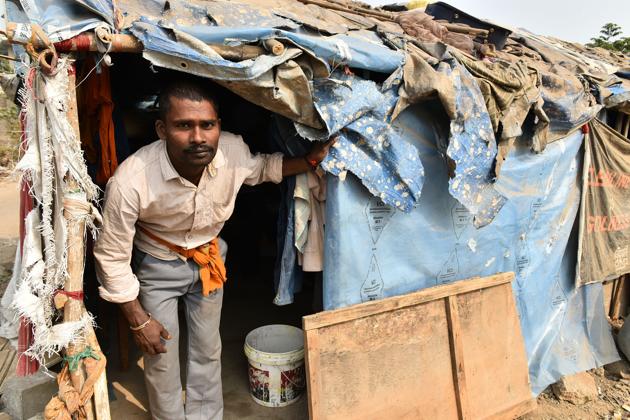
Tetar Mukhia, a daily wage labourer, lives in a shanty in Sector 11, Kharghar, Navi Mumbai. As once-bustling construction sites halt or slow the pace of their work, he is finding it harder and harder to earn a living and support himself. He’s had work for only three days since he returned a month ago, from his break to visit his wife and four children back home in Bihar. His return too was delayed, because demonetisation hit while he was there and the cash he had on him was suddenly illegal tender. (Bachchan Kumar / HT Photo; Text By Dipanjan Sinha)
Updated on: Jan 14, 2017 9:22 PM IST

Share via


Copy link

1/9
 View Photos in a new improved layout
Updated on Jan 14, 2017 9:22 PM
Tetar Mukhia, a daily wage labourer, lives in a shanty in Sector 11, Kharghar, Navi Mumbai. As once-bustling construction sites halt or slow the pace of their work, he is finding it harder and harder to earn a living and support himself. He’s had work for only three days since he returned a month ago, from his break to visit his wife and four children back home in Bihar. His return too was delayed, because demonetisation hit while he was there and the cash he had on him was suddenly illegal tender. (Bachchan Kumar / HT Photo; Text By Dipanjan Sinha)
2/9
 View Photos in a new improved layout
Updated on Jan 14, 2017 9:22 PM
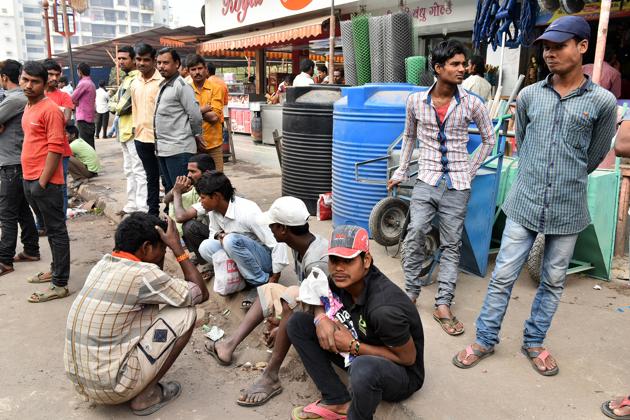
Every morning, he joins the crowd of more than 100 workers that gather at Shivaji Chowk, also known as Labour Chowk, in Sector 12 of Khaghar. They congregate around 8 30 am and wait till lunch time. “Before November, we would all find work by 9 am. This chowk would be empty after that. And we would come back in the evening and get hired for night shifts too, with double the pay,” Mukhia says. The numbers have dwindled as some workers have given up and gone home to West Bengal, Bihar, UP, Andhra Pradesh, Telangana, Karnataka months. “Two months without proper work means you can’t pay for your kholi, or even for food,” says Mukhia. (Bachchan Kumar / HT Photo)
3/9
 View Photos in a new improved layout
Updated on Jan 14, 2017 9:22 PM
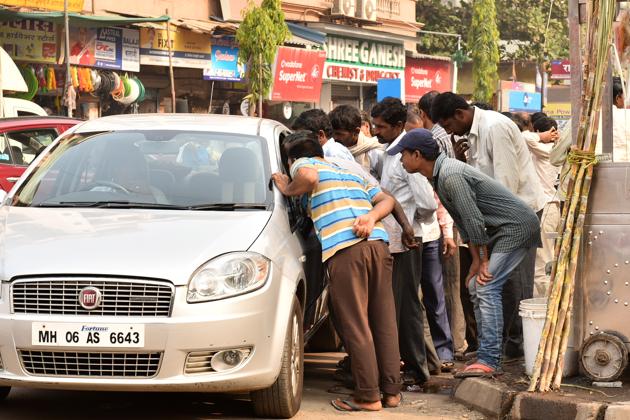
Amid the gloom, there are some laughs. On Saturday morning, a man approaches the crowd and is quickly surrounded by eager workers. “Interested in work at Film City?” he asks. “As hero?” someone retorts. “No, as the villain’s assistant,” says Noor Alam, an 18-year old from UP. Everybody laughs. They’re wary of new faces among those offering employment. Workers have been offered the standard rate of Rs 400 a day lately and then been paid only Rs 100. Mukhia doesn’t laugh much. He continues squatting on the footpath after most of the others have dispersed. (Bachchan Kumar / HT Photo)
4/9
 View Photos in a new improved layout
Updated on Jan 14, 2017 9:22 PM
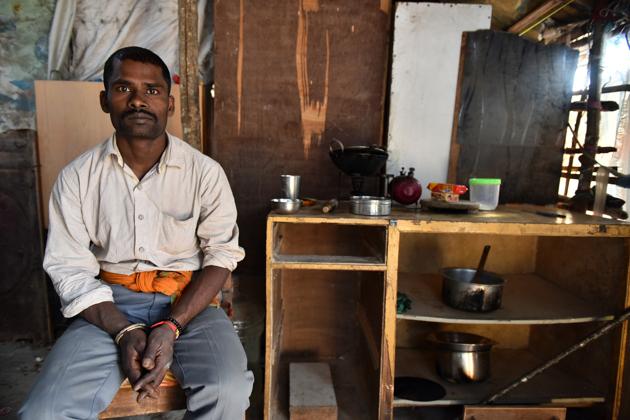
“I won’t be able to send money home this month if I don’t get work soon,” he says, as he walks back to the tarpaulin, plastic and bamboo shanty where he lives. His eldest, Rajesh, is 15 and has already dropped out of school. He is now with Mukhia in Mumbai and says he wants to join his father on construction sites. “He was no good in studies, but I need to send money home so the other three can take tuitions and study and learn something,” he says. “The schools don’t teach at all.” (Bachchan Kumar / HT Photo)
5/9
 View Photos in a new improved layout
Updated on Jan 14, 2017 9:22 PM
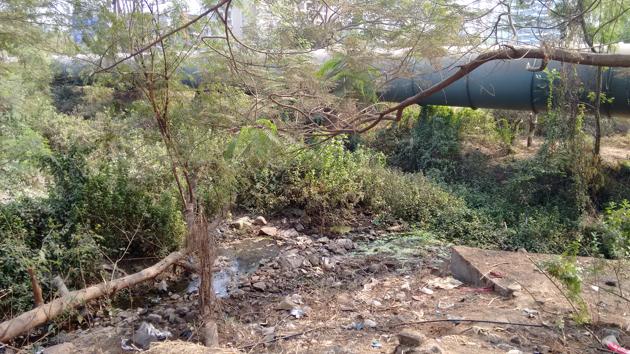
“I wake up at 6am to cook dinner,” Mukhia says. His only source of water to wash is seepage from this municipal pipe and to cook and drink he uses water used for sprinkling on gardens. Some of the workers live in slum rooms, at a rent of Rs 3,000 to Rs 4,000 per head. He gave up his spot in a room when he went home, and hasn’t been able to afford the rent since his return to Navi Mumbai. In the slums, there was electricity and a common tap. Here there is neither. (Bachchan Kumar / HT Photo)
6/9
 View Photos in a new improved layout
Updated on Jan 14, 2017 9:22 PM
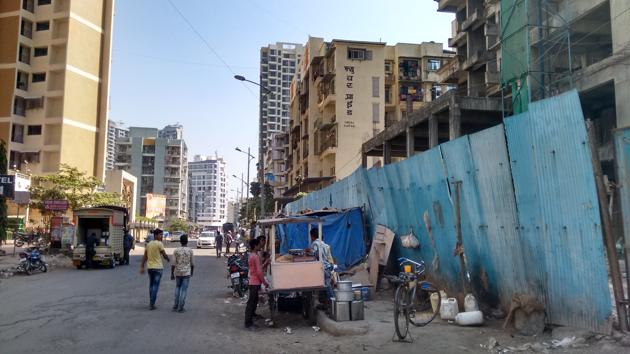
Lunch is whatever they’re serving at this food stall, where most construction workers in Sector 34 eat. Mukhia doesn’t know how much longer he’ll be able to afford these Rs 10 meals. The stall owner, meanwhile, says he used to be surrounded by customers at 1 pm (when the photograph was taken). Now, the stall is mostly empty . (Dipanjan Sinha / HT Photo)
7/9
 View Photos in a new improved layout
Updated on Jan 14, 2017 9:22 PM
8/9
View Photos in a new improved layoutUpdated on Jan 14, 2017 9:22 PM
9/9
 View Photos in a new improved layout
Updated on Jan 14, 2017 9:22 PM


