
 E-Paper



A city with a view: How Rio is gearing up for Olympics guests
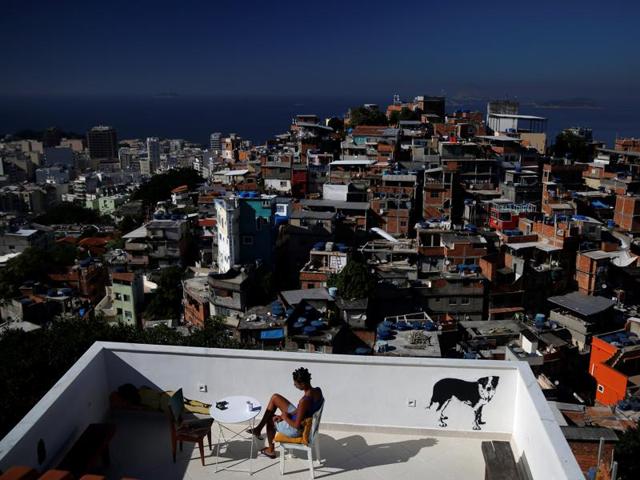
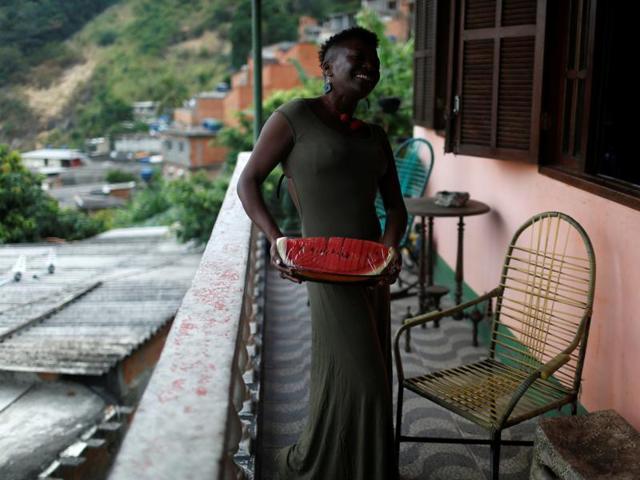
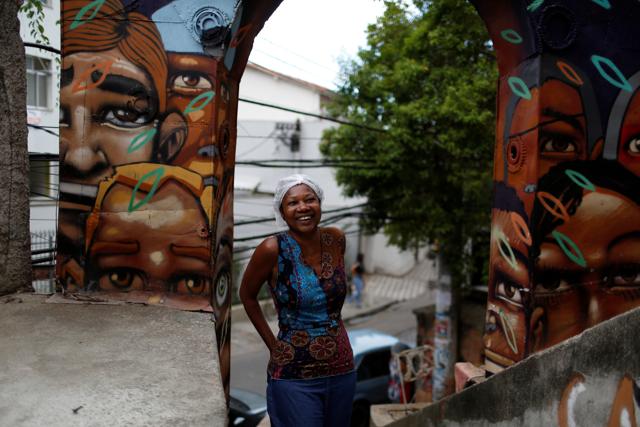
Hostels in a few of Rio’s more than 1,000 slums will serve as a cheap housing alternative for the more adventurous among the estimated 500,000 foreign tourists expected to arrive for the Olympics in August. A woman sits on a terrace at Tiki hostel in Cantagalo favela in Rio de Janeiro, Brazil, April 16, 2016. (REUTERS)
Updated on: May 04, 2016 7:35 PM IST

Share via


Copy link

1/12
 View Photos in a new improved layout
Published on May 04, 2016 7:35 PM
Hostels in a few of Rio’s more than 1,000 slums will serve as a cheap housing alternative for the more adventurous among the estimated 500,000 foreign tourists expected to arrive for the Olympics in August. A woman sits on a terrace at Tiki hostel in Cantagalo favela in Rio de Janeiro, Brazil, April 16, 2016. (REUTERS)
2/12
 View Photos in a new improved layout
Published on May 04, 2016 7:35 PM
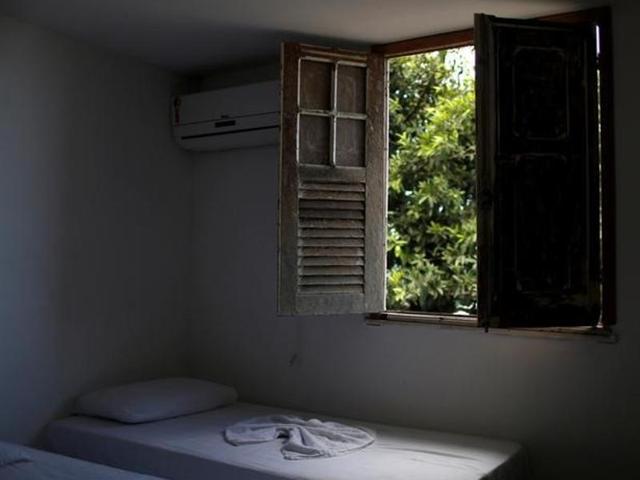
The establishments also open up the rich culture of the city’s shantytowns for travellers, giving them a glimpse into once ‘no-go’ areas where about one-fifth of Rio’s population lives. (REUTERS)
3/12
 View Photos in a new improved layout
Published on May 04, 2016 7:35 PM
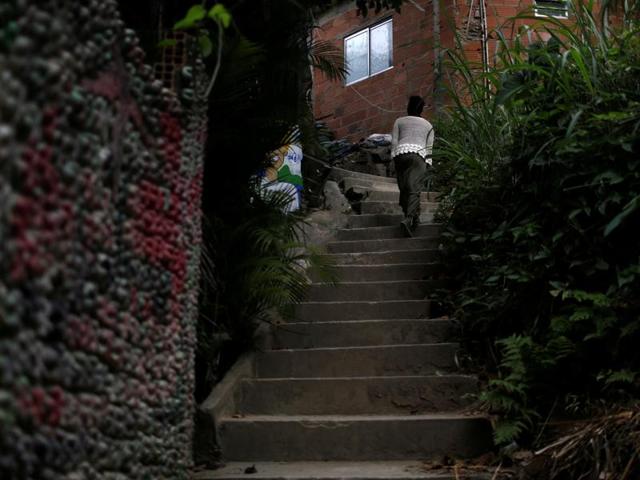
Favelas are slums in Brazil, which first appeared in the late 19th century and were built by Brazilian soldiers who had nowhere to live. Solange, a worker in the city’s Pousada Favelinha hostel, returns to the hostel. (REUTERS)
4/12
 View Photos in a new improved layout
Published on May 04, 2016 7:35 PM
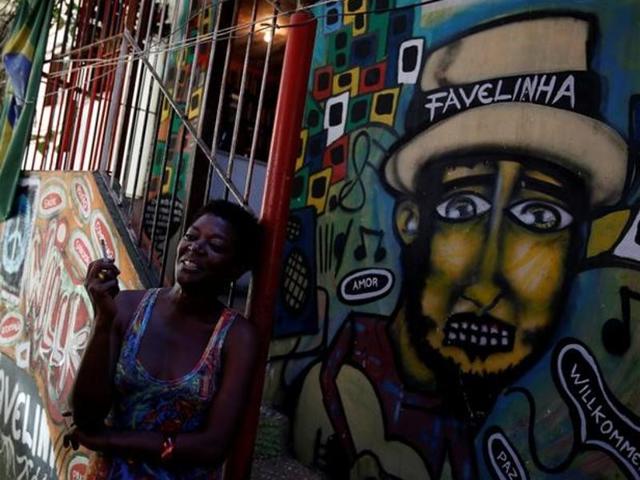
Some of the first settlements were where former slaves with no land or work stayed. Over time, former black slaves moved in. (REUTERS)
5/12
 View Photos in a new improved layout
Published on May 04, 2016 7:35 PM
A guest relaxes with the The Sugar Loaf mountain in the background at Pousada Favelinha (Little favela) hostel. (REUTERS)
6/12
 View Photos in a new improved layout
Published on May 04, 2016 7:35 PM
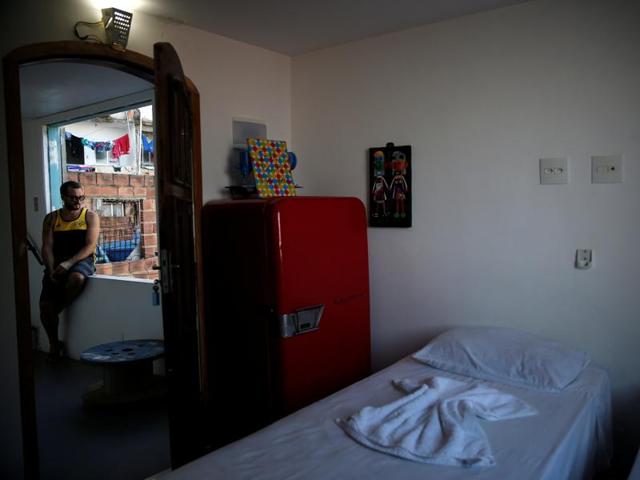
Most modern favelas appeared post 1970s when Brazil witnessed a huge rural exodus. A man is reflected in a mirror in a room at Tiki hostel in Cantagalo favela. (REUTERS)
7/12
 View Photos in a new improved layout
Published on May 04, 2016 7:35 PM
As per a 2011 census, in 2010, about 6 per cent of Brazil’s population lived in favelas. (REUTERS)
8/12
 View Photos in a new improved layout
Published on May 04, 2016 7:35 PM
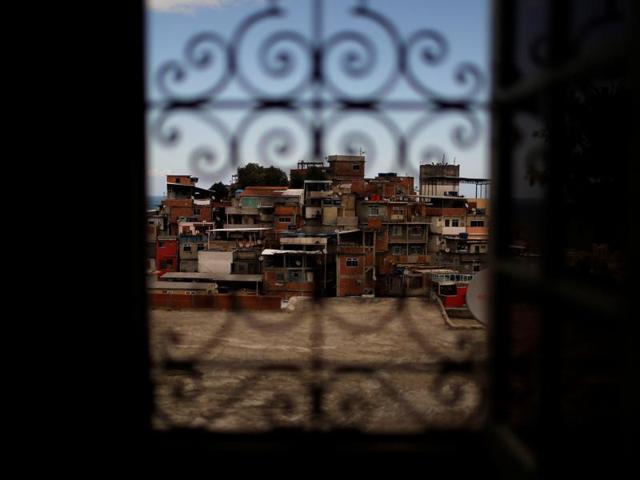
While many Rio favelas are still ruled by drug traffickers or by organized crime groups called milicias (militias), all favelas in Rio’s South Zone and some favelas in the North Zone are now managed by the country’s Pacifying Police Units. (REUTERS)
9/12
 View Photos in a new improved layout
Published on May 04, 2016 7:35 PM
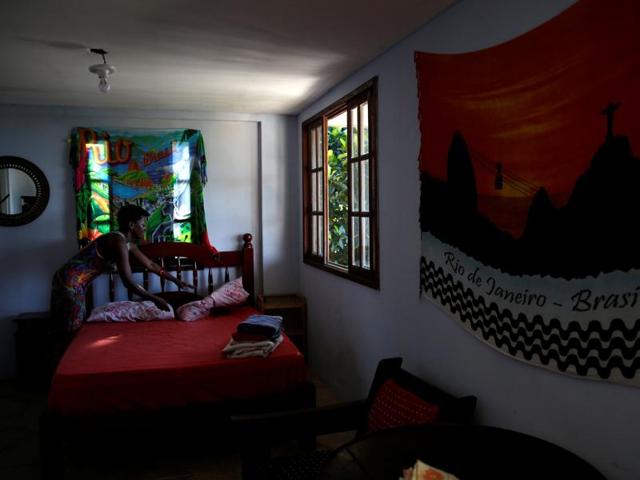
A worker at Pousada Favelinha hostel prepares a room. (REUTERS)
10/12
 View Photos in a new improved layout
Published on May 04, 2016 7:35 PM
Favelas are popular for their culture and way of life with music playing an important role. Popular types of music include funk, hip-hop and Samba. (REUTERS)
11/12
 View Photos in a new improved layout
Published on May 04, 2016 7:35 PM
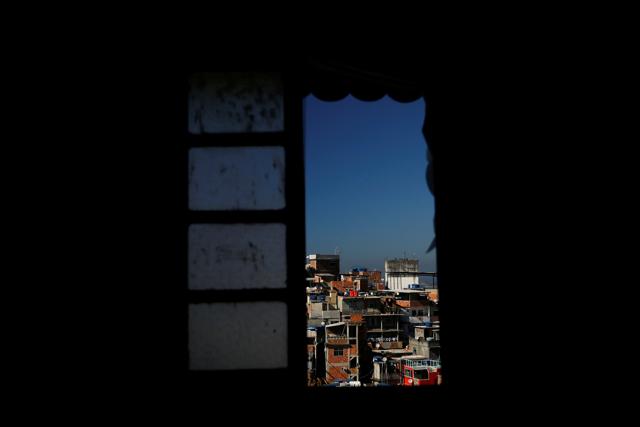
Houses are seen through a window of Tiki hostel in Cantagalo favela. (REUTERS)
12/12
 View Photos in a new improved layout
Published on May 04, 2016 7:35 PM


