
 E-Paper



Photos: A year into Qatar boycott, few signs of crisis in the emirate
A year into a blockade by the states of Saudi Arabia, Egypt, the United Arab Emirates and Bahrain against Qatar, that severed diplomatic ties and transport links through air, land and sea routes, the small emirate has weathered the storm by drawing from its substantial financial coffers, using its strategic location in the Persian Gulf as the world’s largest producer of liquefied natural gas to continue shipments to major world powers, and forging tight alliances with countries like Turkey and Iran.
Updated on: Jun 07, 2018 9:21 AM IST

Share via


Copy link

1/8
 View Photos in a new improved layout
Updated on Jun 07, 2018 9:21 AM
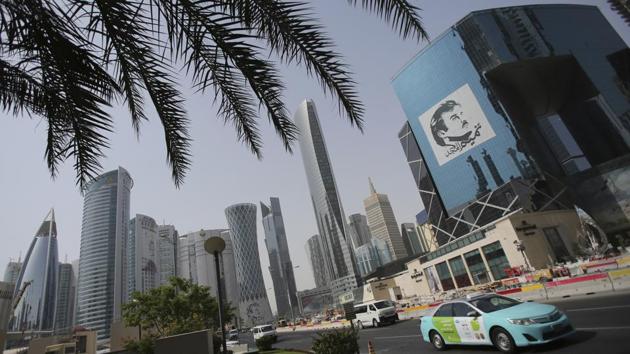
A taxi passes by a building with the image of the Emir of Qatar, Sheikh Tamim bin Hamad Al Thani, in Doha, Qatar. Across the glittering high-rise towers of the middle eastern nation, the face of the country’s ruler still seems to be everywhere a year after Arab nations imposed a boycott on his tiny, gas-rich country. (Kamran Jebreili / AP)
2/8
 View Photos in a new improved layout
Updated on Jun 07, 2018 9:21 AM
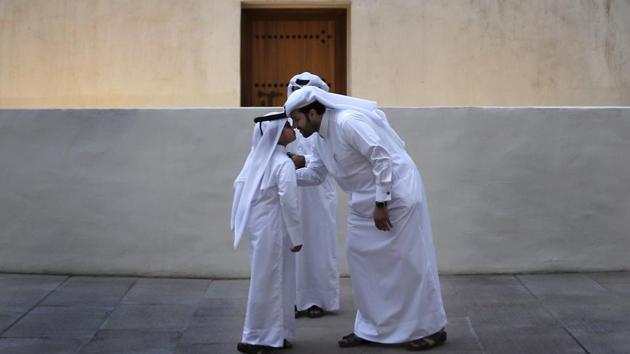
A Qatari man greets a boy in traditional Gulf Arab style in the Msheireb district of Doha. Saudi Arabia, Egypt, the United Arab Emirates and Bahrain severed diplomatic ties and transport links to Qatar last year over its alleged support of terrorist groups and warm relations with Iran. But natural gas reserves and close allies in the region have allowed Qatar to weather the crisis. (Kamran Jebreili / AP)
3/8
 View Photos in a new improved layout
Updated on Jun 07, 2018 9:21 AM
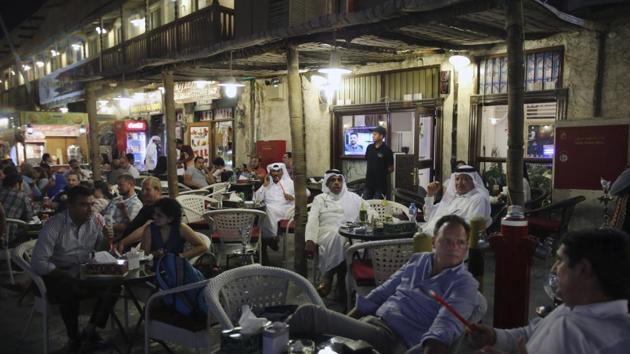
An evening scene at the Waqif Souq in Doha. Daily life has mostly remain unchanged apart from a signs of the boycott here and there — grocery stores once filled with dairy products from Saudi Arabia, which has shut down Qatar’s only land border, now stock items from Turkey and Iran. Air routes with the flagship Qatar Airways now route through Oman or over Iranian airspace. (Kamran Jebreili / AP)
4/8
 View Photos in a new improved layout
Updated on Jun 07, 2018 9:21 AM
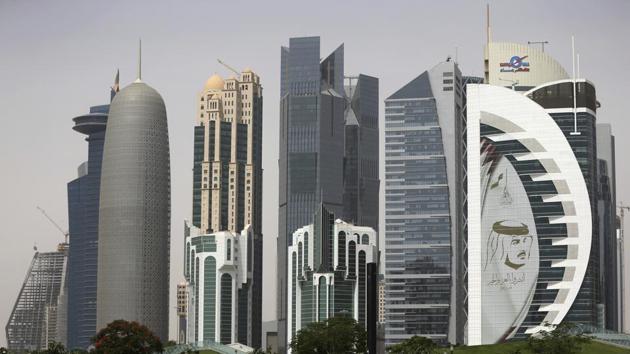
Construction is still underway at some skyscrapers, and at the stadiums being built ahead of the 2022 FIFA World Cup. Portraits of Qatar’s ruling emir, 38-year-old Sheikh Tamim bin Hamad Al Thani, are plastered across public places old and upcoming. (Kamran Jebreili / AP)
5/8
 View Photos in a new improved layout
Updated on Jun 07, 2018 9:21 AM
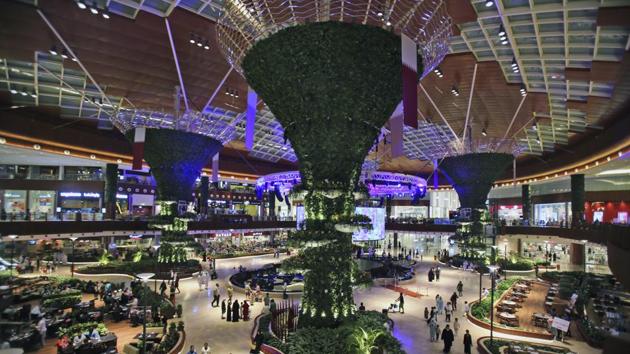
A view inside the Mall of Qatar, in Doha. The country’s massive shopping malls are doing brisk business, particularly as people seek air-conditioned refuge from the sweltering summer heat, with temperatures exceeding 45 degrees Celsius. (Kamran Jebreili / AP)
6/8
 View Photos in a new improved layout
Updated on Jun 07, 2018 9:21 AM
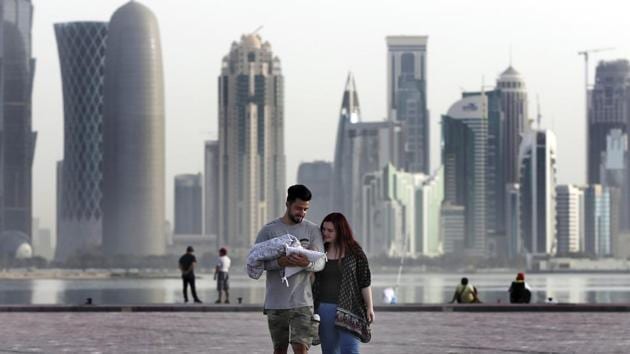
A couple takes a walk with their new born baby along the waterfront in Doha. For the citizens Sheikh Tamim remains a symbol of Qatar’s independence and defiance of the boycott. President Donald Trump, who at times has appeared to side with the boycotting nations, welcomed the emir to the White House in April. (Kamran Jebreili / AP)
7/8
 View Photos in a new improved layout
Updated on Jun 07, 2018 9:21 AM
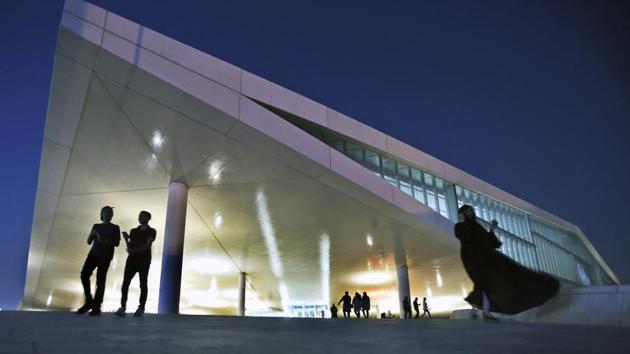
People leave the Qatar National Library building designed by Dutch architecture firm OMA in Doha. Qatar strongly denies supporting terrorism, but backs the Muslim Brotherhood and other Islamist groups outlawed as terrorists by the boycotting nations. It has also long maintained warm ties with Saudi Arabia’s archrival Iran, with which it shares a large underwater gas field. (Kamran Jebreili / AP)
8/8
 View Photos in a new improved layout
Updated on Jun 07, 2018 9:21 AM


