
 E-Paper



Photos: Afghan farmers fleeing drought face more hardship in camps
Besides war, 2.2 million people across Afghanistan have been affected because of drought, triggered by a huge shortfall in snow and rain last winter. Beaten by the inhospitable conditions, more than 250,000 people in western Afghanistan decided to travel hundreds of kilometres through districts contested by Taliban fighters and government forces to reach the city of Herat. Makeshift tents on the rocky outskirts of the provincial capital now house these families in squalid conditions with local authorities overwhelmed by the influx and a food and sanitation crisis.
Updated on: Oct 12, 2018 4:28 PM IST

Share via


Copy link

1/8
 View Photos in a new improved layout
Updated on Oct 12, 2018 4:28 PM
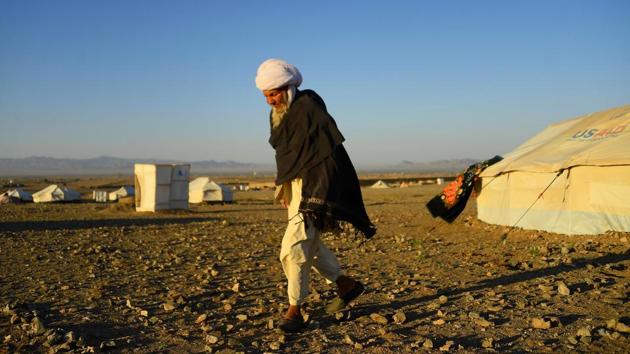
Afghan farmer Murad Khan Ishaqzai, wizened and weather-beaten by decades of working in his wheat field, is one of more than 250,000 people in western Afghanistan displaced by the months-long dry spell that has devastated crops, livestock and water supplies. A drought 15 years ago temporarily forced Ishaqzai and his family from their home, but this one is “the worst in my life”, he said. (Hoshang Hashimi / AFP)
2/8
 View Photos in a new improved layout
Updated on Oct 12, 2018 4:28 PM
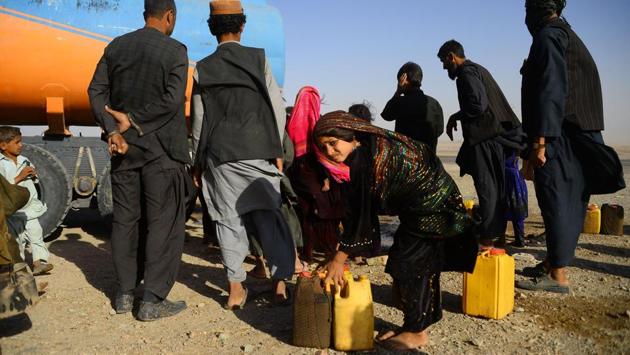
“The farms were destroyed, our livestock perished, and we left our donkeys in the desert because we couldn’t feed them anymore,” said Afghan farmer Murad Khan Ishaqzai , forced to leave the home where he was born 80 years ago -- not by war but the worst drought in living memory. (Hoshang Hashimi / AFP)
3/8
 View Photos in a new improved layout
Updated on Oct 12, 2018 4:28 PM
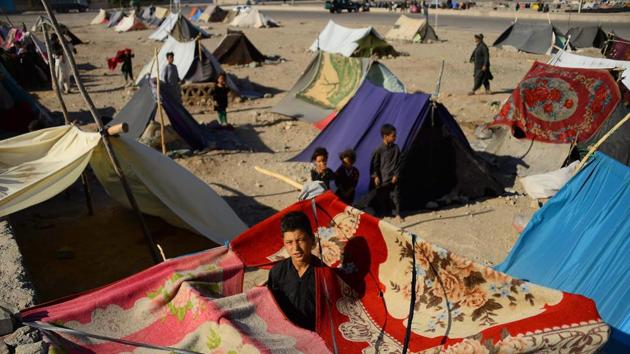
Children look on from their tents. Beaten by the inhospitable conditions, many families in rural areas decided to travel hundreds of kilometres in the back of rented trucks through districts contested by Taliban fighters and government forces to reach the city of Herat. There, they set up pitiful, makeshift tents on the rocky outskirts of the provincial capital. (Hoshang Hashimi / AFP)
4/8
 View Photos in a new improved layout
Updated on Oct 12, 2018 4:28 PM
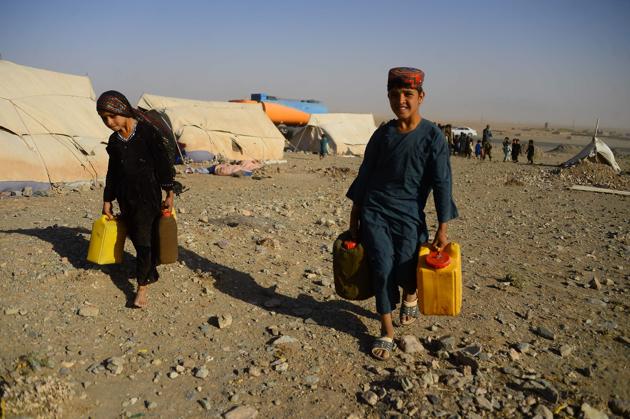
Children carry water filled from a tanker at a camp. The drought, affecting 2.2 million people across Afghanistan, was triggered by a huge shortfall in snow and rain last winter and has roughly 1.4 million people in urgent need of food assistance --the majority in the western region, United Nations Office for the Coordination of Humanitarian Affairs (OCHA) reports. (Hoshang Hashimi / AFP)
5/8
 View Photos in a new improved layout
Updated on Oct 12, 2018 4:28 PM
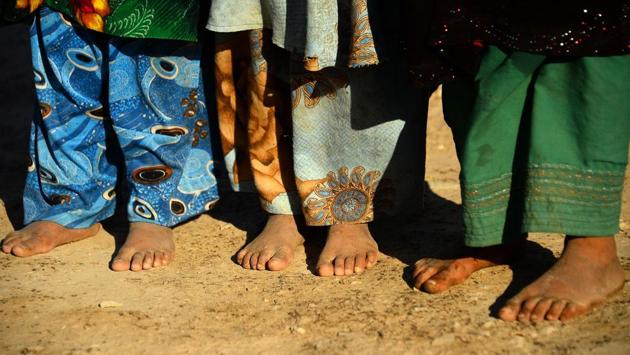
Dust whipped up by the relentless wind has become a second skin for camp dwellers.The children have little to play with except rocks -- when they are not filling their family’s jugs with water delivered by trucks, begging or collecting rubbish in the city. (Hoshang Hashimi / AFP)
6/8
 View Photos in a new improved layout
Updated on Oct 12, 2018 4:28 PM
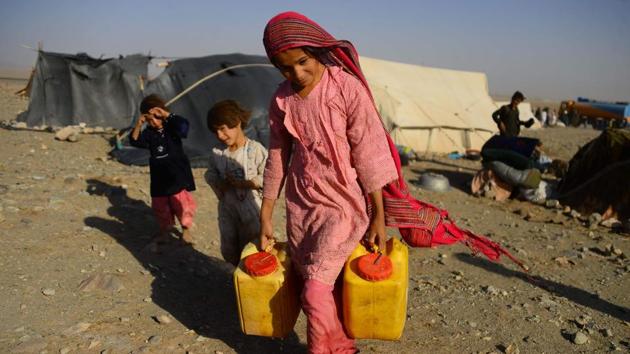
People at the camps told AFP they have been surviving on a diet of bread and tea for months because they do not have enough money to buy fruit, vegetables or meat. More than 70% of displaced families in the west do not have enough to eat and 33,200 acutely malnourished children under the age of five need “life-saving treatment”, OCHA reported. (Hoshang Hashimi / AFP)
7/8
 View Photos in a new improved layout
Updated on Oct 12, 2018 4:28 PM
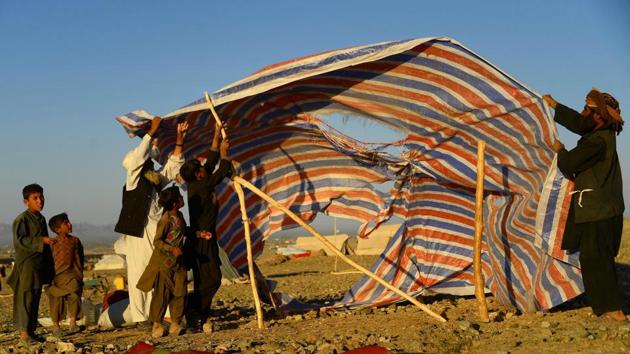
A tent is erected at a camp in Injil. Conditions are miserable in the camps that have mushroomed across the unforgiving landscape in recent months as above-average temperatures and intense fighting forced more people to abandon their villages and livelihoods. (Hoshang Hashimi / AFP)
8/8
 View Photos in a new improved layout
Updated on Oct 12, 2018 4:28 PM


