
 E-Paper



Photos: Amber hunters chase dinosaurs in Myanmar’s conflict-ridden north
"Amber hunters" on a quest for a Jurassic Park-style discovery of dinosaur remains sift through mounds of the precious resin in Myanmar -- a lucrative trade that captivates paleontologists but also fuels a decades-long conflict in the Kachin state far up north. Trading takes place just a few dozen kilometres from the fighting between Myanmar's army and ethnic Kachin rebels battling for autonomy, land, identity -- and natural resources that help finance both sides. Find the right buyer and traders could pocket up to $100,000 a piece in a shady industry that sees most amber smuggled across the border to China.
Updated on: Jul 03, 2018 12:41 PM IST

Share via


Copy link

1/11
 View Photos in a new improved layout
Updated on Jul 03, 2018 12:41 PM
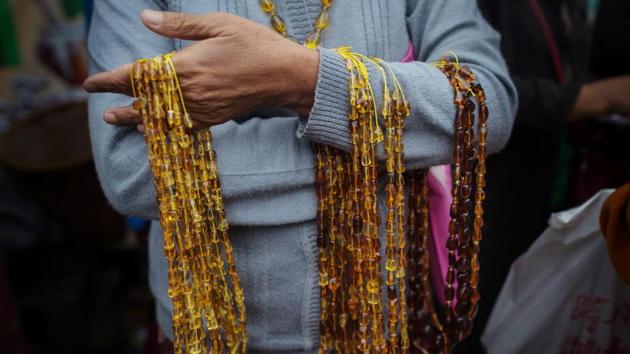
A vendor selling necklaces made of amber, in Danai, Kachin state. The morning amber market on the outskirts of Myitkyina, the capital of Kachin state, throngs with traders using torches and magnifying glasses to scrutinise pieces of the honey-coloured fossilised tree sap. (Ye Aung Thu / AFP)
2/11
 View Photos in a new improved layout
Updated on Jul 03, 2018 12:41 PM
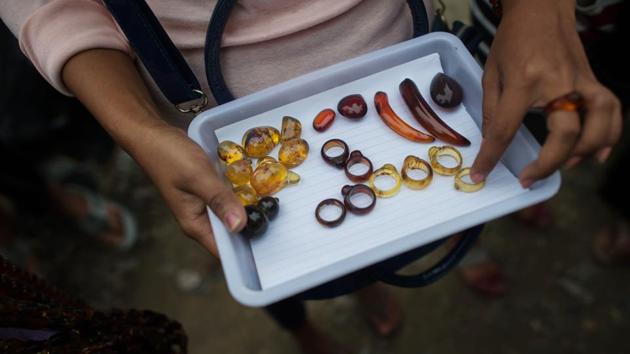
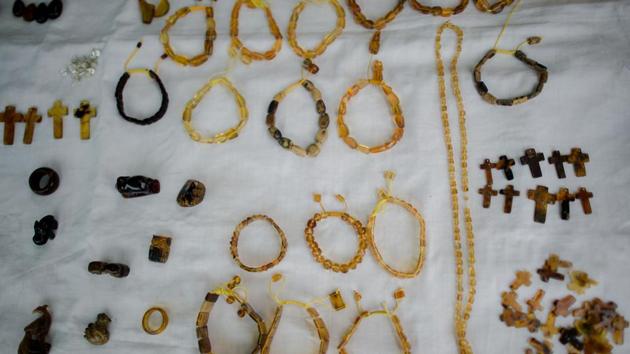
Some sell rough-edged uncut chunks. Others tout finished products: pendants, necklaces and bracelets made from carefully polished pieces. The trading takes place just a few dozen kilometres from the fighting between Myanmar’s army and ethnic Kachin rebels battling for autonomy, land, identity -- and natural resources that help finance both sides. (Ye Aung Thu / AFP)
3/11
 View Photos in a new improved layout
Updated on Jul 03, 2018 12:41 PM
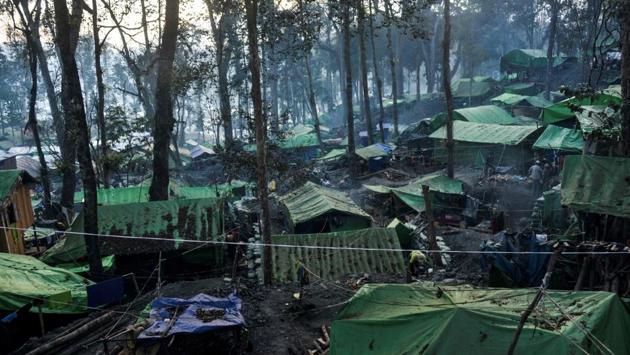
Amber deposits are found all over the world but, for palaeontology, the mines of Kachin are “irreplaceable”, explains 36-year-old Lida Xing from the China University of Geosciences in Beijing. “The amber mining area in Kachin is the only Cretaceous period amber mining site in the world that is still engaged in commercial mining,” he says. “There’s no better place than Myanmar.” (AFP)
4/11
 View Photos in a new improved layout
Updated on Jul 03, 2018 12:41 PM
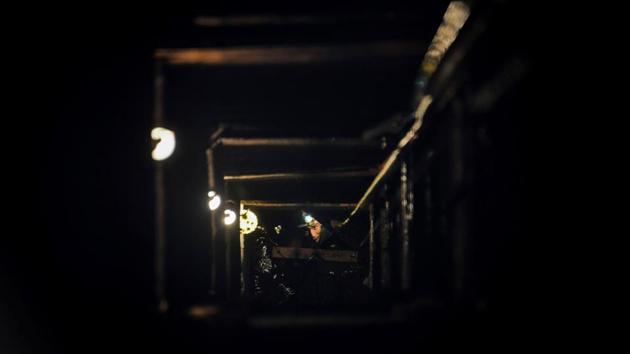
Amber, historically coveted as jewellery by nobility from China to ancient Greece, enjoyed a revival in popular culture thanks to the 1990s hit movie “Jurassic Park”, where dinosaurs were cloned by extracting DNA from mosquitoes preserved in the resin. The jade and ruby industries dwarf the largely artisanal amber trade, but big sums are still in store for whoever controls the mines. (AFP)
5/11
 View Photos in a new improved layout
Updated on Jul 03, 2018 12:41 PM
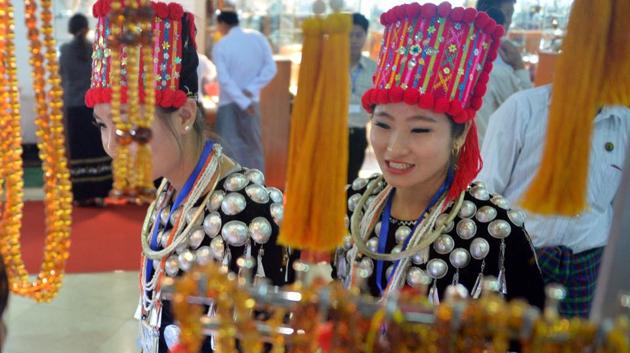
Kachin women view amber products at the annual gems and jewelries expo in Naypyidaw. In Myitkyina’s market there is money to be made, says trader Myo Swe. His speciality is “inclusions”, sap that has trapped parts of plants, animals and even dinosaurs before hardening. The right buyer could offer up to $100,000 a piece in an industry that sees most amber smuggled across the border to China. (Thet Aung / AFP)
6/11
 View Photos in a new improved layout
Updated on Jul 03, 2018 12:41 PM
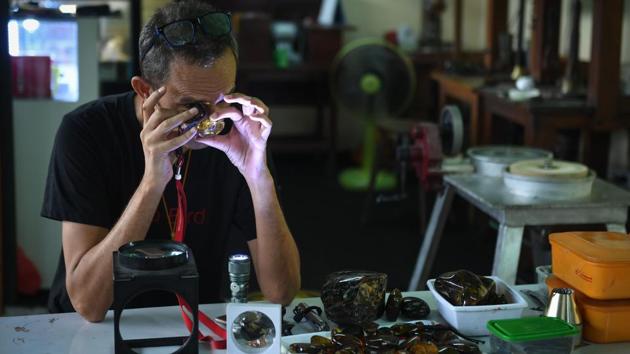
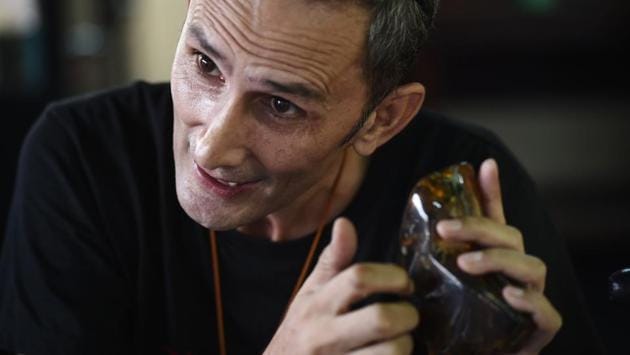
Akbar Khan, a 52-year-old self-described 'extreme fossil in amber hunter' inspects Kachin amber at his streetside stall in Bangkok. Amateur amber hunters aside, the main challenge for traders and collectors is working in a conflict zone. An upsurge in fighting between the army and the Kachin Independence Army (KIA) over recent years has left more than 100,000 people displaced in the region. (Lilian Suwarnarumpha / AFP)
7/11
 View Photos in a new improved layout
Updated on Jul 03, 2018 12:41 PM
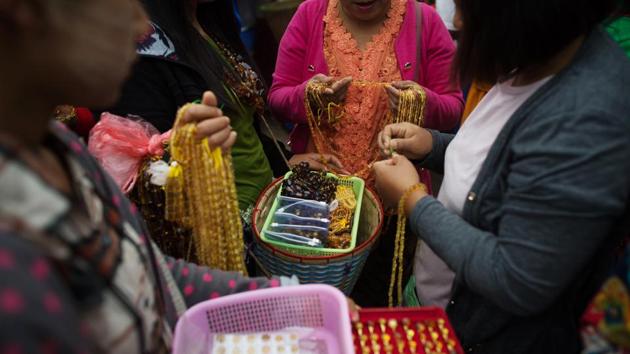
Vendors sell necklaces, bracelets and rings made of amber in Danai, Kachin state. Leaflets dropped by army helicopters in June last year even warned people living around the mines to leave the area or be considered to be cooperating with the rebels, according to Human Rights Watch. Now only the hardiest of amber hunters attempt to go there. (Ye Aung Thu / AFP)
8/11
 View Photos in a new improved layout
Updated on Jul 03, 2018 12:41 PM
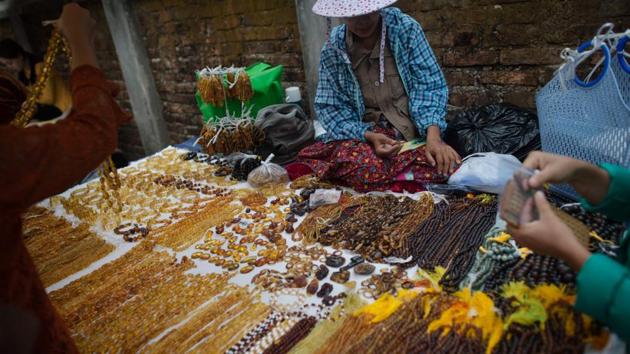
“We almost could not reach the mining area because it was very dangerous,” Lida Xing says of his 2015 trip when he brought back part of a feathered dinosaur tail to China from Myanmar that dated back some 99 million years. “We sneaked in when the situation eased quite a lot, but no scientist was able to go inside after that.” (Ye Aung Thu / AFP)
9/11
 View Photos in a new improved layout
Updated on Jul 03, 2018 12:41 PM
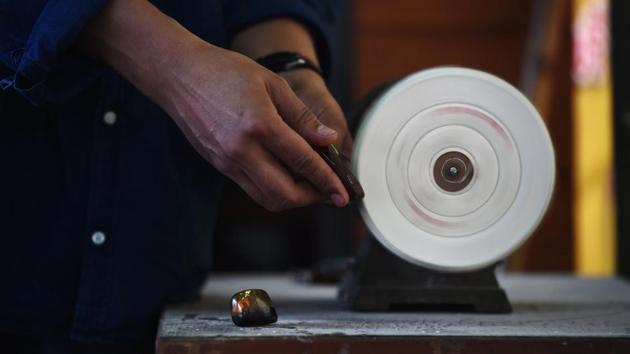
A piece of amber is polished at Akbar Khan’s stall. The excitement of Lida’s discovery in palaeontology circles, similarly, was tinged with disappointment when he returned to try to find the source. “They said they did not know. They had probably already sold or smashed it. This dinosaur might have even been a complete one with a head,” he told AFP in Beijing. (Lilian Suwanrumpha / AFP)
10/11
 View Photos in a new improved layout
Updated on Jul 03, 2018 12:41 PM
Amber, jade, timber and gold are also “major drivers” of the conflict in northern Myanmar, says Hanna Hindstrom from monitoring group Global Witness. Without sourcing responsibly, any company trading Myanmar amber “could be causing or contributing to a range of harms including conflict and human rights abuses”, she adds. (Ye Aung Thu / AFP)
11/11
 View Photos in a new improved layout
Updated on Jul 03, 2018 12:41 PM


