
 E-Paper



Photos: Australian cemeteries sell death to get new lease on life
From live music, face-painting and bike races to limited edition olive oil from centuries old trees, Australian civic authorities are busy reinventing graveyards as tourist hotspots instead of sombre places where the dead lie.
Updated on: Nov 22, 2017 3:33 PM IST

Share via


Copy link

1/9
 View Photos in a new improved layout
Updated on Nov 22, 2017 3:33 PM
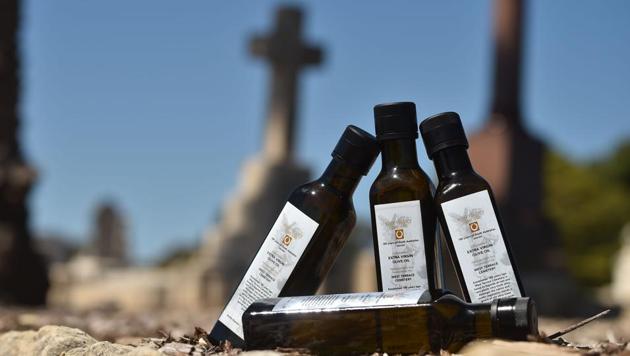
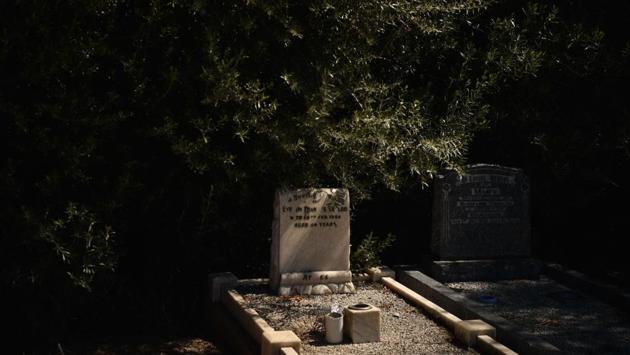
The last bottles of 2017’s limited-edition olive oil, released to mark the 180th anniversary of the West Terrace Cemetery in Adelaide. From the graveside to the dinner plate, olive oil harvested from centuries-old trees at an Australian cemetery is just the latest by Australian authorities in a bid to shake up people’s attitudes towards death and burial sites. (Peter Park / AFP)
2/9
 View Photos in a new improved layout
Updated on Nov 22, 2017 3:33 PM
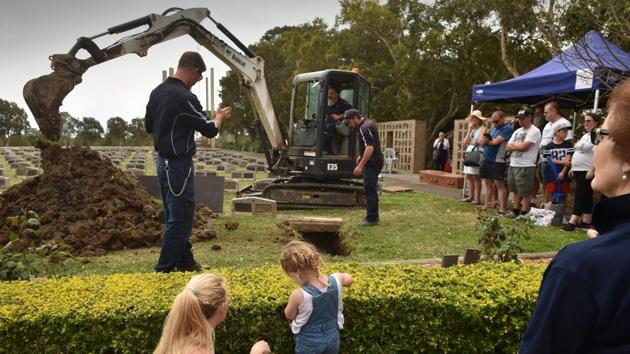
Visitors watch grave digging demonstrations during the 150th anniversary open day at Rookwood--the largest cemetery in the southern hemisphere-- in Sydney. By reinventing cemeteries as unexplored, lush, green spaces in the heart of crowded cities, authorities hope to challenge taboos surrounding death while breathing new life into the usually sombre grounds. (Peter Parks / AFP)
3/9
 View Photos in a new improved layout
Updated on Nov 22, 2017 3:33 PM
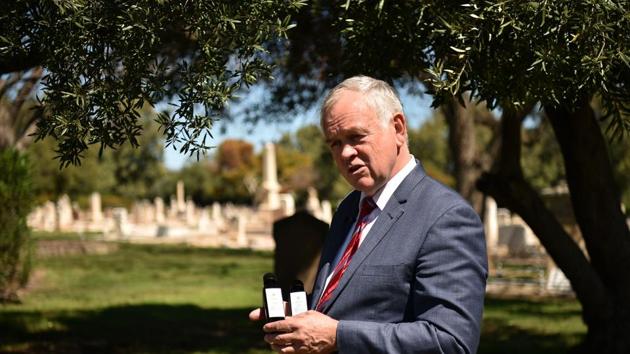
“Trying to sell death is very hard, no-one wants to buy it,” Adelaide Cemeteries Authority chief executive Robert Pitt said as olive trees rustled above ageing headstones. “However, if we’re selling olive oil or selling an experience... (it’s) where the real value of coming to a cemetery is. And there’s definitely a sense of place here. There’s a sense of reverence and a sense of history.” (Peter Parks / AFP)
4/9
 View Photos in a new improved layout
Updated on Nov 22, 2017 3:33 PM
Historian Cathy Dunn also feels these initiatives show that cemeteries are moving beyond their main role as sites “for the disposal of the dead”. And the response seems positive considering this year’s limited-edition bottles of olive oil, sold out in a flash despite their unusual source. (Peter Parks / AFP)
5/9
 View Photos in a new improved layout
Updated on Nov 22, 2017 3:33 PM
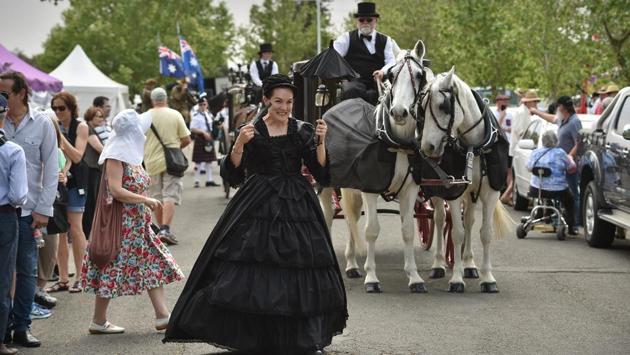
A woman in Victorian clothing leads a horse-drawn hearse before a parade commemorating the 150th anniversary of Rookwood. This “necropolis”, the final resting place for more than a million people, has drawn crowds by hosting open days, annual sculpture walks and even bike races. Its recent commemoration featured live jazz music, grave-digging demonstrations and face-painting for children. (Peter Parks / AFP)
6/9
 View Photos in a new improved layout
Updated on Nov 22, 2017 3:33 PM
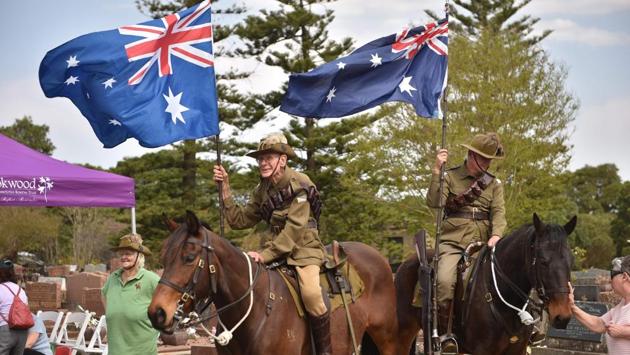
Old soldiers in WWI uniforms ride horses amongst gravestones at an open day at Rookwood cemetery. Cemeteries such as West Terrace and Rookwood are fast becoming tourist hotspots. In Adelaide, Pitt is considering offering augmented reality at cemeteries to bring grave sites to life with messages from the deceased. (Peter Parks / AFP)
7/9
 View Photos in a new improved layout
Updated on Nov 22, 2017 3:33 PM
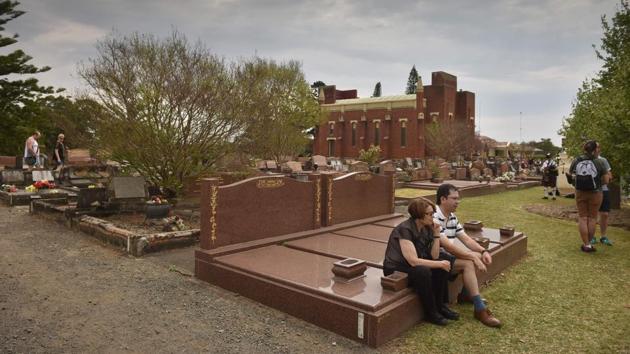
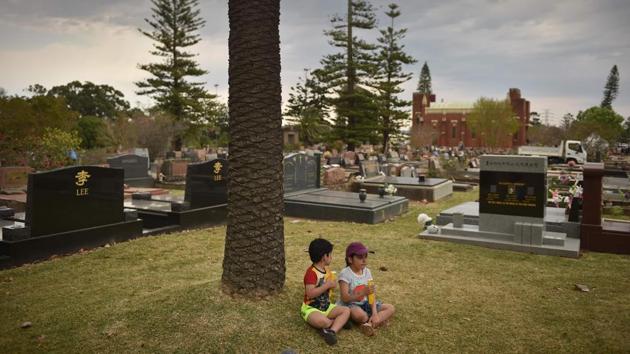
Visitors sit surrounded by gravestones at Rookwood cemetery. With death rates in Australia set to more than double over the next few decades as the population ages, more and more people are going to be confronted by their own mortality, if not those of relatives and friends, Pitt says. (Peter Parks / AFP)
8/9
 View Photos in a new improved layout
Updated on Nov 22, 2017 3:33 PM
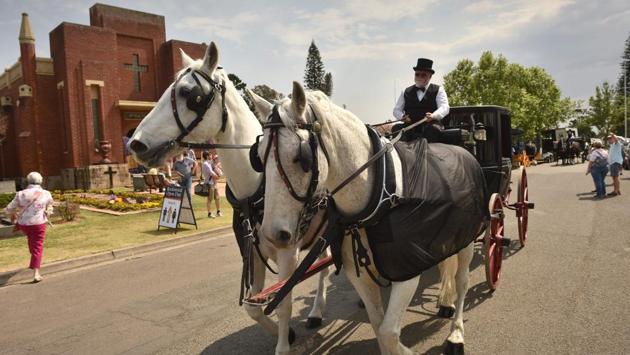
A vintage horse-drawn hearse is driven past a mausoleum during an open day at Rookwood in Sydney. The cemeteries authority has also organised “Death Over Dinner” events --where guests share a meal and ask expert speakers about the end of life-- to normalise discussions around dying. (Peter Parks / AFP)
9/9
 View Photos in a new improved layout
Updated on Nov 22, 2017 3:33 PM


