
 E-Paper



Photos | From pride to shame: Trash takes over Lebanon’s coastline
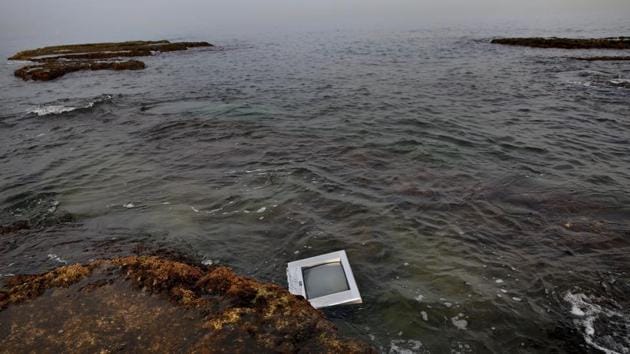
Once a source of pride, the country’s Mediterranean coastline has become a source of shame for many Lebanese because of the swirling trash that pollutes its shores. The country has a long-running solid waste management problem that caused summer riots in 2015 as trash piled in the streets. The government solved the problem by simply shifting the trash to landfills and coastal dumps that often run into the Mediterranean. Environmentalists say thousands of tons of trash and untreated waste is getting dumped directly into the sea.
Updated on: Dec 01, 2018 12:09 PM IST

Share via


Copy link

1/9
 View Photos in a new improved layout
Updated on Dec 01, 2018 12:09 PM
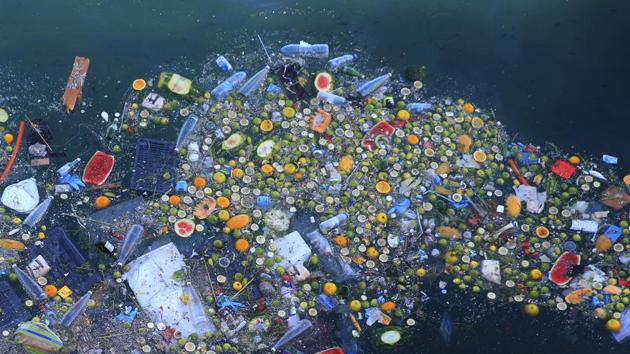
Trash floats next to rocky coastal area in the Mediterranean Sea on the Beirut coastline, Lebanon. Once a source of pride, the country’s Mediterranean coastline has become a source of shame for many Lebanese because of the swirling trash that pollutes its shores. (Hassan Ammar / AP)
2/9
 View Photos in a new improved layout
Updated on Dec 01, 2018 12:09 PM
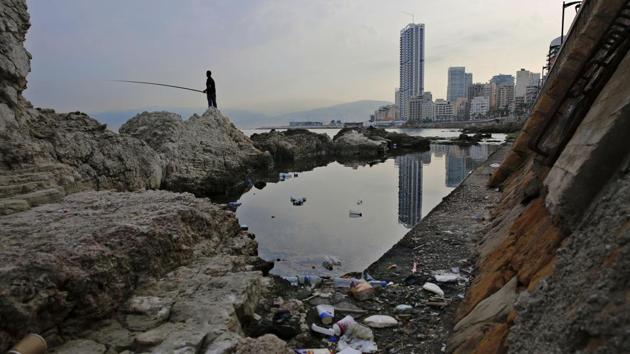
A man casts his fishing pole in the Mediterranean Sea on a rocky coastal area along the Beirut coastline. Once a source of pride, the country’s Mediterranean coastline has become a source of shame for many Lebanese because of the swirling trash that pollutes its shores. (Hassan Ammar / AP)
3/9
 View Photos in a new improved layout
Updated on Dec 01, 2018 12:09 PM
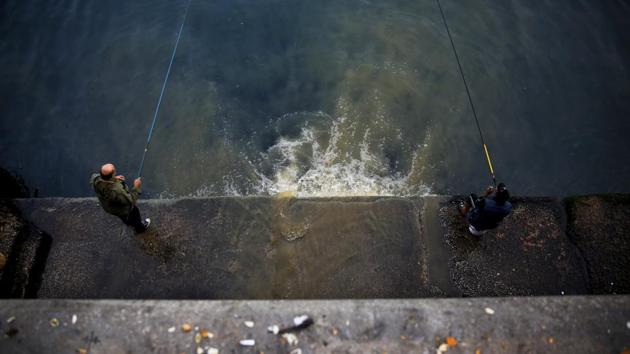
People fish next to a sewage overflow pipe emptying into the Mediterranean Sea. Fisherman Ahmad Obeitri has been a fixture at Lebanon’s corniche — a popular seaside promenade in central Beirut — for the past 30 years. He says the trash is killing off what’s left of marine life. (Hassan Ammar / AP)
4/9
 View Photos in a new improved layout
Updated on Dec 01, 2018 12:09 PM
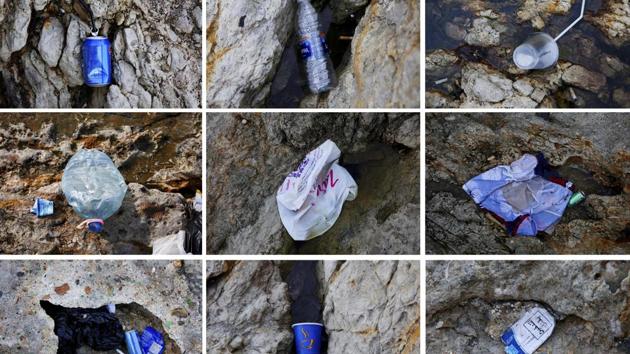
Items of trash thrown on the rocky coastal area of the Mediterranean Sea. “These days if a fish comes our way it will only find nylon bags, garbage and sewage to feed on,” he said, lamenting over people who eat and drink as they walk on the corniche and then toss their cans, tins and other containers in the sea. (Hassan Ammar / AP)
5/9
 View Photos in a new improved layout
Updated on Dec 01, 2018 12:09 PM
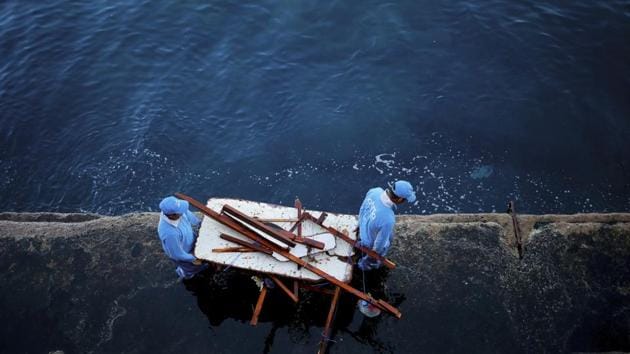
Workers remove wood and trash from the Mediterranean Sea. Littering is not Lebanon’s only problem. The country has a long-running solid waste management problem that caused summer riots in 2015 as trash piled in the streets. The government solved the problem by simply shifting the trash to landfills and coastal dumps that often run into the Mediterranean. (Hassan Ammar / AP)
6/9
 View Photos in a new improved layout
Updated on Dec 01, 2018 12:09 PM
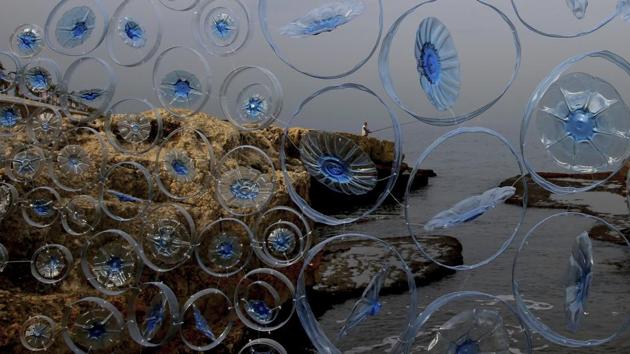
A man casts his fishing pole in the Mediterranean Sea as pieces of plastic bottles collected by activists hang on a wall, next to the rocky coastal area on the Beirut coastline. Environmentalists say thousands of tons of trash and untreated waste is getting dumped directly into the sea. (Hassan Ammar / AP)
7/9
 View Photos in a new improved layout
Updated on Dec 01, 2018 12:09 PM
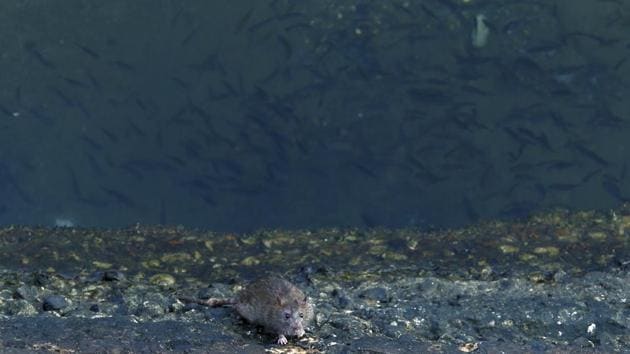
Fish swim in the Mediterranean Sea as a rat enters a sewage pipe next to rocky coastal area. Abdullah Absi, a 56-year-old civil engineer, said as a swimmer, the open sewage running into the sea was his biggest problem. (Hassan Ammar / AP)
8/9
 View Photos in a new improved layout
Updated on Dec 01, 2018 12:09 PM
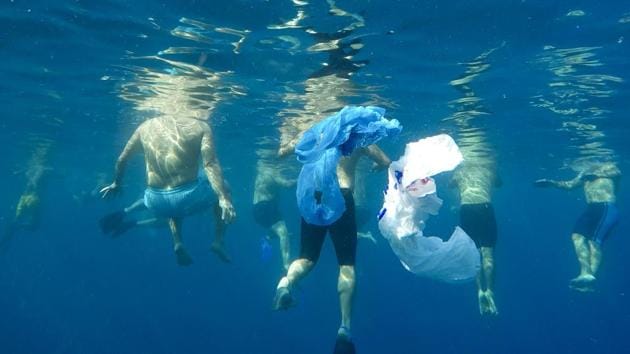
Plastic bags float as swimmers prepare to emulate sea creatures in an effort to send a message that pollutants such as bottles and plastic bags will entangle marine animals. A group of 50 swimmers, including Absi, recently organized the 4.6-km swim. “We see the violations are increasing and there is no deterrent,” Abis said. (Hassan Ammar / AP)
9/9
 View Photos in a new improved layout
Updated on Dec 01, 2018 12:09 PM


